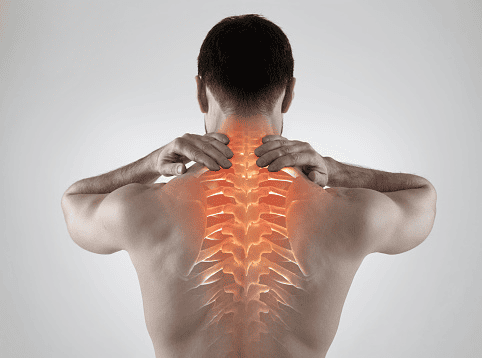

Home treatments for ankle dislocation include a variety of methods to reduce swelling and support the recovery process when this condition occurs. Ankle dislocation is one of the common issues in orthopaedics, typically caused by trauma with characteristic symptoms of pain.
This article is approved under the professional guidance of MSc, MD Le Quang Minh – Head of the General Surgery Division, Department of General Surgery, Vinmec Da Nang International General Hospital.
1. What is ankle dislocation?
A joint dislocation occurs when the articular surfaces or ends of bones no longer maintain their normal position — they may shift completely or partially away from their original alignment.
Ankle dislocation may result from various causes, with initial symptoms often including pain, possibly accompanied by signs of joint inflammation. A common consequence is subtalar joint synovitis after injury to the ankle ligaments.
Because the ankle region contains many large veins, trauma may lead to swelling (edema) or bleeding (hematoma). Although pain may be mild and not long‑lasting, ankle swelling is often what brings patients to a clinic.
In cases of ankle dislocation, a patient may observe visible joint deformity and reduced ability to move in motions such as dorsiflexion or plantarflexion; the gait may become uneven. If not treated promptly, this may lead to complications or joint damage.
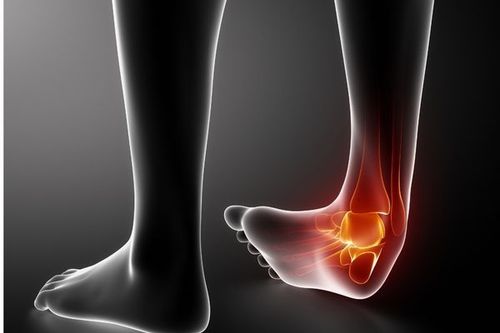
In many ankle injuries, the problem is not a bone fracture but soft tissue and ligament damage — commonly called a sprain — so immobilising the ankle is essential to allow ligaments time to heal.
Moreover, distinguishing between a dislocation and a sprain is important because they are different conditions and require different treatments.
In ankle dislocation, the patient often cannot move their ankle joint; in a sprain, they may still have partial movement.
2. Home‑based treatment and treatment approaches to consider for ankle dislocation
Not only for ankle dislocation, but for any other medical condition, patients should follow a specific treatment protocol prescribed by a doctor.
When a patient suffers an ankle dislocation, the initial management principle often used by physicians is R‑I‑C‑E, namely:
R (Rest): The patient should rest and limit ankle movement. If possible, a protective brace or splint may be used to prevent excessive motion of the ankle. The patient should not attempt to self‑reduce (adjust) the ankle joint because this can lead to serious consequences like worsening the dislocation and increased pain.
I (Ice): Use an ice pack or cold wrap over the injured area.
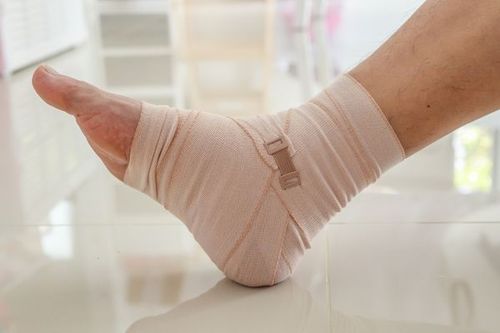
C (Compression): Use an elastic bandage to wrap from the foot up to the knee to help reduce swelling. The patient should not use a warm or hot pack at this stage because it may increase the swelling (edema) around the ankle.

- E (Elevation): The injured leg should be elevated approximately 10–20 cm to promote circulation, but not so high as to significantly reduce blood flow to the foot and cause numbness.
After these initial steps, the patient should be taken for imaging (X‑ray) early to determine precisely the nature of the injury and its location. This helps the doctor decide whether the patient has a dislocation or a fracture, and then provide appropriate treatment. In practice, many patients attempt home treatment for ankle dislocation, which not only fails to support recovery but may cause serious complications. Dislocation is a serious issue that can lead to many complications and adverse outcomes, therefore the patient should seek hospital evaluation for proper care.
The treatment for a dislocated ankle depends on the extent and location of the injury, and the doctor will use the diagnosis to propose suitable options. For ankle dislocation, the doctor may recommend:
- Reduction of the joint after providing local, regional or even general anesthesia, depending on the severity of injury.
- Immobilisation devices after reduction: this may be by casting or use of supportive devices; the immobilisation period depends on the severity of injury and related factors such as soft tissue damage, nerve or vascular injury.
- Rehabilitation of joint movement after the immobilisation device is removed: the patient will begin with gentle and simple exercises, then gradually increase difficulty and intensity of training according to their tolerance.
3. Recognising the signs of an ankle dislocation
An ankle dislocation can cause many nuisances for the patient, from persistent pain to difficulties in movement. The following are signs that may appear in ankle dislocation:
- Swelling and bruising around the joint.
- Bleeding at the site of injury.
- Difficulty in moving the ankle joint (especially dorsiflexion/plantarflexion).
- Decreased strength and range of motion.
- Deformity of the ankle joint.

To arrange an appointment, please call HOTLINE or make your reservation directly HERE. You may also download the MyVinmec app to schedule appointments faster and manage your reservations more conveniently.