

1. Smartphones Are Increasingly Popular
Smartphones play an increasingly important role in modern daily activities of living, as we use them for communication, work, and entertainment. Over the past decade, the rate of smartphone use, as well as the number of hours and frequency of use, has continued to rise. A 2012 study showed that there are now more than 6 billion smartphone users worldwide, and this number continues to grow. More than 65% of people in the United States spend at least one hour each day using their phones.
Another survey revealed that users spend over 20 hours per week texting, emailing, and using social media, demonstrating a significant dependence on smartphones for connection and communication. Therefore, smartphones may contribute to musculoskeletal problems in users.
2. Why Do Smartphones Cause Joint and Muscle Pain?
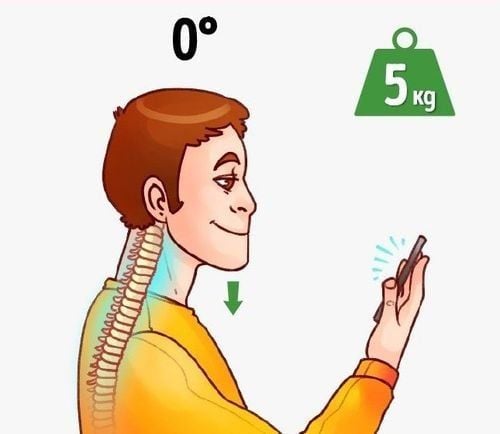
The typical posture when using a smartphone (or other handheld touchscreen devices) is often poor: we usually hold the device with one or both hands below eye level, bend the neck forward, and use the thumb to touch the screen. This usage pattern keeps users in an uncomfortable posture, such as bending the neck forward for long periods.
Frequent smartphone use and repetitive finger movements in poor posture have been proven to be major causes of musculoskeletal symptoms. Initially, these symptoms appear as mild fatigue or discomfort, which can progress to transient pain that is often overlooked, eventually becoming chronic pain that reduces tendon and muscle function. The injuries can occur not only in the neck but also in other parts of the body, including the shoulders, elbows, arms, wrists, hands, and thumbs.

Constant repetition of certain actions or muscle-straining movements on smartphones may cause inflammation of the tendons and tendon sheaths. This often occurs in the fingers or wrists when typing on a computer or smartphone frequently. Such tendon inflammation can also cause swelling, making finger movement more difficult.
3. How to Use Smartphones to Prevent Musculoskeletal Disorders
Larger smartphone screens can increase the incidence of finger tenosynovitis. For example, a man in his 40s developed thumb tenosynovitis after purchasing a smartphone (iPhone X) and using his thumb for navigation. Stopping thumb use and switching to the right index finger helped relieve his symptoms, and he recovered without specific treatment. After changing his smartphone habits, he began holding the phone with his left hand and using the right index finger to control the screen. His symptoms gradually improved within a few weeks and completely resolved.
Comparing the strain caused by smaller versus larger keys, research has shown that using smaller keys significantly increases muscle activity and leads to faster fatigue. Therefore, when typing messages, it is advisable to rotate the phone horizontally instead of vertically. Users should also minimize texting through smartwatches connected to phones. Experimental studies also show that texting with one hand creates significantly more hand muscle fatigue than typing or composing messages with both hands.
When standing and looking down at a smartphone, the head tilt angle and forward displacement increase significantly, which can cause neck and shoulder pain. Frequent smartphone users experience a much higher degree of pain compared to infrequent users and non-users.
In summary, the number of smartphone users is increasing significantly in modern daily activities of living, and smartphones have become indispensable items. Frequent smartphone use with poor posture leads to a higher risk of musculoskeletal disorders and pain. If pain persists despite correcting these bad habits, medical examination and timely treatment are recommended.
Vinmec International General Hospital is a multidisciplinary hospital offering examination and treatment for musculoskeletal conditions such as arthritis, degeneration, herniation, and joint or bone pain. Vinmec applies modern medical diagnostic and treatment techniques for musculoskeletal diseases, achieving high effectiveness while minimizing recurrence complications.
Vinmec’s success is attributed to its fully equipped modern facilities and a team of highly qualified and experienced doctors, ensuring optimal treatment outcomes for patients.
To arrange an appointment, please call HOTLINE or make your reservation directly HERE. You may also download the MyVinmec app to schedule appointments faster and manage your reservations more conveniently.