Hives negatively impact health, affect patients’ daily lives, and compromise the aesthetic appearance of the body. Therefore, proactively adopting a proper nutritional regimen and understanding what to avoid and what to supplement to alleviate symptoms are crucial factors in the effectiveness of treatment.
This article has been written under the professional guidance of specialists in Allergy - Clinical Immunology at Vinmec International General Hospital.
1. Overview of hives
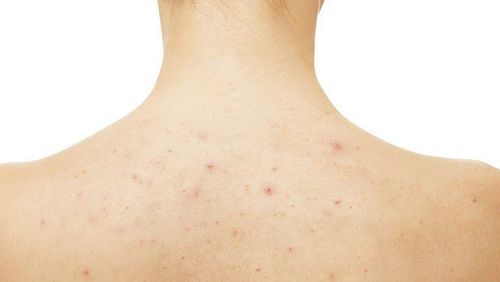
Hives (urticaria) is a common skin condition, often seen in children and women aged 20 to 40. It occurs when the skin reacts to allergens from the internal or external environment. The initial manifestation includes pink or red raised bumps resembling mosquito bites, which can appear anywhere on the body, most commonly in areas where the skin is compressed, such as the waist or belt area.
Hives cause itching and swelling, making the patient uncomfortable. Scratching can spread the condition and may even lead to abrasions and skin infections. In some cases, the disease may be accompanied by other symptoms such as high fever, joint pain, abdominal pain, digestive disorders, vomiting, difficulty breathing, headaches, and, in severe cases, anaphylactic shock (cardiovascular collapse), which is a medical emergency.
There are two types of hives: acute hives (lasting less than six weeks) and chronic hives (lasting more than six weeks). Common causes include weather allergies, genetic factors, physical trauma, wearing tight clothing, food allergies (such as seafood), stimulants (such as alcohol), bacterial or viral infections, parasitic infections, reactions to medications such as sedatives, aspirin, or penicillin, or underlying conditions like lupus erythematosus, hyperthyroidism, malignancies, or psychological stress.

2. What to avoid when experiencing hives?
Although hives are not an extremely dangerous condition, they can significantly impact health and daily life. Particularly when hives appear on highly visible areas such as the face, neck, or chest, they not only affect aesthetics but also cause psychological distress for patients. To minimize and control the condition, patients should follow important dietary and lifestyle restrictions as outlined below.
2.1 Avoid scratching
The most common symptom of hives is an uncomfortable itching sensation. When itching, the natural reflex is to scratch the affected area. However, scratching does not relieve the itch and instead worsens the condition. Furthermore, excessive scratching can lead to skin abrasions, increasing the risk of infection and exacerbating hives. Therefore, patients are advised to avoid scratching to prevent the condition from worsening.
2.2 Avoid using cosmetic products
Cosmetic products can be a source of allergies, skin irritation, and even hives if the body reacts to certain ingredients. For individuals with sensitive skin, even mild cosmetic products can trigger allergic reactions. Therefore, if symptoms of hives appear, patients are advised to discontinue the use of cosmetic products immediately and seek medical consultation to determine the exact cause of their condition.
2.3 Avoid stimulants
Stimulants such as alcohol, beer, and tobacco can negatively affect the immune system. When the immune system is weakened, treating allergic conditions like hives becomes more complicated. If a person with hives continues to consume these stimulants, their recovery process may be prolonged and more challenging.
2.4 Avoid exposure to wind when experiencing hives
Many patients wonder whether they should avoid wind exposure when having hives. "Wind invasion" is considered a possible cause of hives in traditional medicine. When the body is exposed to wind, the immune system may react to environmental factors, producing allergens and causing itchy rashes. Additionally, a patient’s skin is highly sensitive and vulnerable during an outbreak, increasing the risk of infection if exposed to wind and dirt.
Therefore, hives patients should limit their exposure to wind. However, this does not mean that patients should remain indoors at all times. When going outside, they should wear protective clothing to shield the skin from wind and sunlight, reducing the risk of further irritation.
2.5 Be cautious when bathing
Although traditional beliefs suggest that hives patients should avoid water, this is not entirely accurate. During a hives outbreak, especially in hot weather, the body sweats more and accumulates dead skin cells. Failing to bathe properly can lead to increased oil and bacterial buildup on the skin, potentially causing infections in hives lesions and worsening the condition. Thus, regular bathing is essential to keeping the skin clean and reducing the risk of infection.
When bathing during a hives outbreak, patients should follow these precautions to protect sensitive skin and minimize discomfort:
- Use warm water: Bathing with warm water is crucial to preventing further skin irritation. The water temperature should be moderate—not too hot or too cold. Bathing in excessively hot water can strip the skin of its natural moisture and disrupt its pH balance, making the skin dry, itchy, and even causing a burning sensation. Conversely, bathing in water that is too cold may cause thermal shock, negatively impacting overall health.
- Avoid excessive scrubbing: Patients should avoid scrubbing their skin vigorously while bathing. This helps prevent additional skin damage, reducing the risk of scratches, infections, or even scarring.
- Limit bath duration: Patients should keep their baths under 10 minutes and limit bathing to once per day. Prolonged bathing can deplete the skin's natural moisture, making it drier and itchier.
- Be cautious with skincare products: Hives patients should be careful when selecting skincare products such as body washes or exfoliating scrubs. It is best to use familiar or natural-based products that do not cause irritation. Those with sensitive skin should be especially cautious, as using unsuitable products may worsen hives symptoms.

3. Nutrition for hives patients
3.1 What should hives patients avoid?
During the acute phase of hives, patients should adjust their diet to alleviate symptoms. Specifically, they should reduce their intake of sugar and salt, as sugar can exacerbate allergic reactions, while excessive salt intake can irritate peripheral nerves. Additionally, stimulants such as alcohol, coffee, tea, tobacco, pepper, and chili should be avoided to prevent worsening the condition.
For patients experiencing swelling, it is necessary to limit foods with high water content, such as soups, and to reduce fluid intake. Additionally, they should avoid high-protein foods such as shrimp, crab, fish, chicken, beef, canned foods, eggs, and dairy products to lower the risk of allergic reactions.
For children with chronic hives, their diet should include less sugar and exclude highly allergenic foods such as egg whites and cow’s milk.
In general, the foods that hives patients should avoid include:
- High-protein foods: Shrimp, crab, beef, and seafood contain high amounts of protein, which may trigger allergic reactions, especially in individuals with sensitive immune systems. Since the immune system does not function normally during a hives outbreak, processing these proteins becomes more difficult, potentially leading to further irritation.
- Sugary and salty foods: These foods can stimulate peripheral nerves and worsen hives symptoms. Additionally, excessive sugar and salt intake can weaken the immune system, slow down the healing process of hives lesions, and increase the risk of recurrence.
- Spicy foods: Fried foods, pepper, chili, and other strong spices can raise body temperature, causing a sensation of heat, restlessness, and discomfort. Spicy foods can also make the skin drier, leading to flakiness.

3.2 Foods to consume
To effectively manage chronic hives, patients should not only avoid trigger foods but also increase their intake of nutrient-rich foods. A balanced diet should include foods rich in vitamins A, B, and C, as well as fiber-rich, easily digestible foods that prevent constipation. Fruits and vegetables such as sweet potatoes, bitter melon, and oranges provide essential vitamins and fiber while boosting the immune system.
In addition to dietary adjustments, hives patients should minimize the use of cosmetic products and stimulants while maintaining a relaxed and positive mindset. Regular physical activity also plays a crucial role in managing hives and reducing the risk of recurrence. If symptoms such as rashes or itching occur, patients should seek medical consultation at major hospitals for accurate diagnosis and timely treatment, thereby improving their ability to control the condition effectively.
Vinmec Times City International Hospital is a reputable facility for diagnosing and treating chronic hives and other dermatological conditions. The hospital is equipped with a team of highly experienced specialists and state-of-the-art medical technology. Vinmec Times City is committed to providing the best possible support for patients in diagnosing and treating hives, ensuring their health and well-being.
To arrange an appointment, please call HOTLINE or make your reservation directly HERE. You may also download the MyVinmec app to schedule appointments faster and manage your reservations more conveniently.