1. What is melasma?
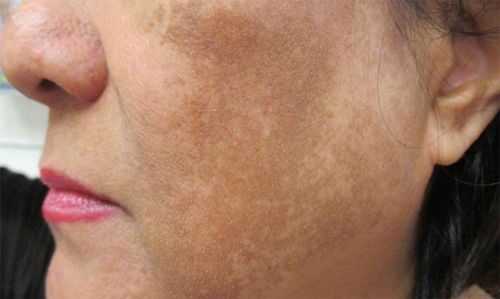
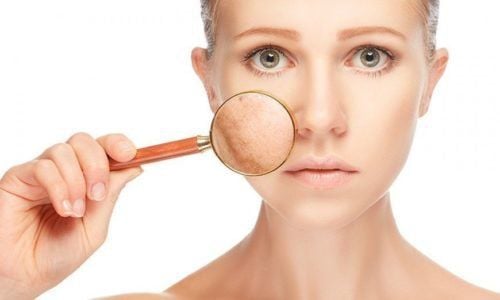
Melasma is a condition in which spots or patches of skin appear darker than the surrounding skin. This is a common skin issue that mothers often face after childbirth. Melasma is common in women aged 20 to 50, of which melasma occurs in pregnant women, and melasma after giving birth is quite common.
The most prevalent form of melasma is facial melasma. Changes in skin pigmentation can appear on the face, lips, forehead, chin, and nasal bridge. Additionally, melasma can occur in other areas of the body, particularly on skin that is frequently exposed to sunlight, such as the arms or neck.

2. Causes of melasma after giving birth
According to research, more than 50% of women have postpartum melasma and this condition can follow them for life if not treated properly. The causes of melasma come from many different factors, such as:
- Hormonal changes: postpartum, women often have hormonal imbalances, at this time the decrease in estrogen is the cause of melasma. In addition, over time, the woman's skin aging, free radicals have strong oxidizing abilities and are agents that directly attack the living cells of the skin, causing the skin to weaken and become susceptible to melasma, dark spots, and freckles.
- Due to exposure to sunlight: sunlight can affect women's skin, especially melanin - the pigment that determines and directly affects skin color. When pigmentation disorders occur, melanin will accumulate in certain fixed locations on the skin surface, causing uneven skin tone, dryness, and many brown patches, age spots, and melasma to appear.
- Not paying attention to skin care: Most postpartum women often do not take care of their skin as before. Mothers give up daily skin care steps due to too much time taking care of young children and irregular schedules. Others are worried that using cosmetics after giving birth may affect milk flow, so they say no to using facial cleansers, exfoliants, sunscreens, etc. The result is dull, dark skin, and unsightly melasma.
- Due to psychological effects: many people still don’t know how psychological factors affect health problems and even skin problems. Excessive stress, prolonged stress, and psychological pressure... are also potential factors that cause the skin to deteriorate, and promote the formation of melasma.

3. Will Postpartum melasma go away on its own?
Postpartum melasma usually fades within a few months after postpartum when hormone levels return to normal and the body stops producing too much skin pigment or melanin.
Linea nigra as well as freckles or melasma will also gradually fade after you give birth.
However, melasma can return if you are susceptible to this change in pigmentation and start using contraceptives containing estrogen.
4. What to do to minimize melasma after giving birth
Although melasma is not dangerous. Here are some ways to help reduce postpartum melasma:
Limit direct exposure to sunlight.
Avoiding the sun is one way to get your skin back to normal. Melasma will continue to occur if you are exposed to sunlight without protection.
Use a broad-spectrum sunscreen (a formula that protects against both UVA and UVB rays) with an SPF of 30 or higher every day, whether it is sunny or not. The American Academy of Dermatology warns that your skin is exposed to a significant amount of UV light year-round, even on cloudy days.

References: .babycenter.com
Read more:
To arrange an appointment, please call HOTLINE or make your reservation directly HERE. You may also download the MyVinmec app to schedule appointments faster and manage your reservations more conveniently.