Pregnancy test kits are familiar to most women, yet not everyone fully understands how they work. Many common questions arise, such as: Are pregnancy test kits accurate? or What should I do if the test shows no lines?
1. How Do Pregnancy Test Kits Work?
1.1 Mechanism of Action
A pregnancy test kit is the first tool women think of when experiencing signs of pregnancy. Since its invention in the 1970s in the United States, it has remained widely used worldwide for several reasons:
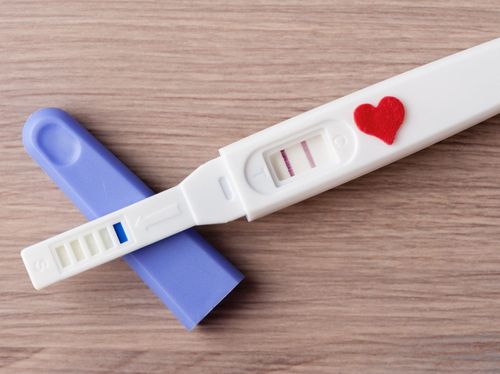
Simple Mechanism: A pregnancy test consists of three main parts: the absorbent tip (which comes into direct contact with urine), the result window, and the control line. The user only needs to dip the absorbent tip into a urine sample and wait for the result. The test strip contains a special chemical that detects the presence of the human chorionic gonadotropin (hCG) hormone, which is produced by the placenta.
Quick Results: Compared to blood tests and ultrasounds, a pregnancy test kit provides results much faster. In just five minutes, you can determine whether you are pregnant or not.
Cost-Effective: Buying a pregnancy test is significantly cheaper than undergoing a blood test or ultrasound at a hospital.
1.2 Important Notes When Using a Pregnancy Test Kit
Although pregnancy test kits are very easy to use, you should keep the following points in mind to avoid inaccurate results:
- Limit water intake before testing because drinking too much water can dilute your urine, lowering the hCG concentration and making it harder to get an accurate result.
- Test in the early morning since hCG levels are most concentrated at this time.
- The ideal time to take a pregnancy test is 7–9 days after a missed period for the most accurate results.
- Ovarian cysts can sometimes cause a false positive (two lines on the test), so it is recommended to visit a hospital for confirmation before informing family and friends.
- If unsure about the result, you can retest after about an hour to verify accuracy.
- The price of a pregnancy test kit does not determine its accuracy. A lower-cost test does not necessarily mean unreliable results.

2. Frequently Asked Questions About Pregnancy Test Kits
2.1 Why Doesn’t the Pregnancy Test Show Any Lines?
After taking a pregnancy test and waiting about five minutes, the result should typically show either one line (negative) or two lines (positive), indicating whether you are pregnant. However, some women report that their test does not show any lines at all. The most common reasons for this issue include:
- Expired pregnancy test kit: Check the expiration date on the packaging before use.
- Defective or counterfeit test kit: To avoid purchasing low-quality or fake test kits, always buy from reputable pharmacies or trusted stores.
2.2 Are Pregnancy Test Kits Accurate?
Studies have shown that pregnancy test kits have an accuracy rate of over 90%. Cases of widespread false results are very rare. In general, if a pregnancy test gives an inaccurate result, the user should first check whether they have followed the instructions correctly, verify the expiration date of the test, and consider their health condition before using it. For example, certain medications containing hCG or medical conditions such as ovarian cysts can affect the test results.
2.3 Why Can a Pregnancy Test Give Incorrect Results?
Here are the main reasons why a pregnancy test may produce inaccurate results:
- Low-quality pregnancy test kit: As mentioned earlier, the quality of the test significantly affects the accuracy of the result. Always buy pregnancy test kits from reputable pharmacies.
- Incorrect usage: Misusing the test can lead to false results. For example, leaving the test strip in urine for too long or checking the result too early can cause inaccuracies. Follow the instructions carefully to avoid this issue.
- Medication effects: Certain medications, such as fertility treatments, diuretics, sleeping pills, and Parkinson’s disease medications, can interfere with pregnancy test results.
- Excessive water intake: Drinking too much water can dilute the hCG concentration in urine.
- Ovarian cysts: Women with ovarian cysts may receive a false positive result.

Pregnancy and childbirth are significant processes. To ensure a healthy pregnancy, both partners should undergo reproductive health check-ups 3–5 months before conception.
For Women:
- Get vaccinated before pregnancy, especially against rubella, as contracting rubella during pregnancy is extremely dangerous.
- Genetic testing to screen for hereditary diseases before conception.
- Gynecological examinations to detect and treat infections that could affect the mother and baby’s health.
- Women over 35 years old (especially first-time mothers) should undergo detailed health screenings, as pregnancy at this age carries higher risks, such as ovarian insufficiency, preterm birth, fetal abnormalities, placenta previa, and preeclampsia.
For Men:
- Reproductive health check-ups to detect conditions such as testicular atrophy, erectile dysfunction, or weak sperm.
- Screening for sexually transmitted infections, especially those that are incurable and highly dangerous.
Read more:
- What is considered normal for fetal ultrasound results?
- Why did my 6-week pregnancy stop developing, and why did vaginal bleeding result in fetal-like tissue?
- Nutritional Guidelines for the First Trimester of Pregnancy
To arrange an appointment, please call HOTLINE or make your reservation directly HERE. You may also download the MyVinmec app to schedule appointments faster and manage your reservations more conveniently.