
The article is professionally consulted by MSc, MD Thai Bang - Head of the Obstetrics and Gynecology Department - Obstetrics and Gynecology Department, Vinmec Nha Trang International General Hospital.
Salpingitis is a relatively common gynecological condition in women, causing inflammatory phenomena in the adnexa, including the fallopian tubes, ovaries, and the broad ligament system. This condition is one of the main causes of ectopic pregnancy and infertility in women... Therefore, understanding the disease, being aware of it, and knowing how to prevent it will help women avoid regrettable consequences later.
1. Salpingitis and Symptoms
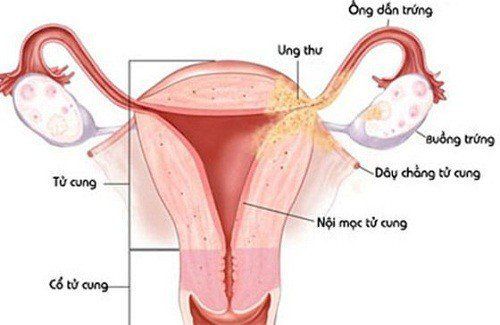
The adnexa in women include: Fallopian tubes (uterine tubes), ovaries, and the broad ligament system. Salpingitis can be simply understood as a gynecological condition causing inflammation in the adnexa. Salpingitis typically starts in the fallopian tubes and then spreads to surrounding areas.
Salpingitis is a consequence of unsafe sexual intercourse, poor genital hygiene, and childbirth complications such as unsafe abortions, incomplete evacuation of the placenta, or placenta removal after childbirth... Additionally, salpingitis often occurs secondarily after other gynecological infections like vaginitis, vulvovaginitis, cervicitis, or endometritis. Salpingitis can present as either acute or chronic forms.

Symptoms of salpingitis:
- Lower abdominal pain: The most common symptom of salpingitis. It causes a dull pain in the lower abdomen that is bearable for women, often going unnoticed. The pain becomes more pronounced with physical activity. The pain intensifies when the lower abdomen is pressed, during bowel movements, or when engaging in sexual intercourse. Additionally, the hips may often ache, even before menstruation.
- Fever: Severe gynecological infections can lead to body fatigue, decreased immunity, and fever, often high fever (up to 40°C). During a fever, the patient may experience chills, shivering, and fluctuating body temperature. Additionally, dizziness and nausea may also occur.
- Abnormal vaginal discharge: Salpingitis causes foul-smelling vaginal discharge with unusual colors (yellow or green), thick or thin, sometimes accompanied by pus.
- Frequent urination or painful urination: Long-term salpingitis can affect neighboring organs, including the bladder and ureters. These organs may become compressed, leading to frequent urination, painful urination, and water retention in the kidneys.
- Menstrual irregularities: Increased bleeding during menstruation, abnormal bleeding, severe menstrual cramps, prolonged menstruation, black or clotted blood, or bleeding between menstrual cycles.
Additionally, some women may experience pain or burning in the genital area, pain during intercourse, back pain, digestive disorders, and if left untreated, salpingitis can lead to pelvic peritonitis, generalized peritonitis, or septicemia. In general, the symptoms of salpingitis are quite similar to other gynecological conditions. Therefore, if any of these symptoms occur, women should consult a doctor for an accurate diagnosis.
2. Salpingitis in women is caused by several factors:
Unsafe sexual intercourse is a primary cause of gynecological diseases in general, including salpingitis.
Poor hygiene of the genital area can lead to gynecological infections such as vaginitis, cervical ectropion, cervicitis, and salpingitis. During menstruation, the cervix and vagina are more open than usual, and the vaginal environment is moist, providing an ideal environment for bacteria to enter and cause infections.
Excessive childbirth, frequent abortion, or unsafe abortions can damage the reproductive organs, leading to more difficulty recovering. Furthermore, after childbirth, abortion, or miscarriage, women's immune systems are weakened, creating opportunities for infection and the development of salpingitis.
Unsafe medical procedures such as IUD insertion or uterine device placement, if done improperly or without proper sterilization, can result in infections affecting the reproductive organs.
Wearing inappropriate clothing, especially tight underwear, puts constant pressure on the genital area, making it moist and providing an opportunity for bacteria and fungi to invade, leading to infections such as vaginitis, which, if left untreated, can lead to salpingitis.
Chronic gynecologic infections: Parts of the female reproductive tract are connected. If one is infected, the infection may spread to other parts over time unless the infection is successfully treated
3. Consequences of Salpingitis
Salpingitis can be divided into acute and chronic forms. Acute salpingitis, if not properly treated in time, can progress to chronic salpingitis, which causes many discomforts for the patient and may be difficult to fully treat as bacteria can still persist, causing intermittent flare-ups. In addition, salpingitis can lead to a series of severe complications:
- Ectopic pregnancy: When the adnexa is inflamed, the fallopian tubes are also highly susceptible to infection. An inflamed fallopian tube can become blocked or narrowed, preventing the egg from traveling into the uterus. As a result, the egg may implant outside the uterus, leading to ectopic pregnancy, which is very dangerous for women.
- Infertility: Salpingitis can affect egg production and reduce egg quality. Additionally, infection in the fallopian tubes can cause complete blockage, preventing the sperm from meeting the egg and interfering with fertilization. Even if fertilization occurs, poor egg quality can significantly affect the development of the fetus.
- Infection of other body parts, especially the reproductive system: If left untreated, salpingitis can cause bacteria to spread to nearby organs, leading to other gynecological diseases like vaginitis, vulvovaginitis, cervicitis, and even cervical cancer.
- Impact on quality of life: Chronic salpingitis can weaken the body, causing constant fatigue, minor illnesses, nausea, and vomiting.
- Peritonitis or sepsis: Long-term salpingitis can lead to pelvic peritonitis, generalized peritonitis, or septicemia, potentially leading to death.
It is essential to treat salpingitis promptly to avoid these complications. Generally, doctors will prescribe antibiotics and anti-inflammatory drugs (either oral or vaginal). These medications help eliminate bacteria and the inflammatory agents. In severe cases, when the infection does not respond to medical treatment or becomes chronic, laparoscopic surgery may be performed.

4. Preventing Salpingitis
Preventing gynecological diseases, including salpingitis, should be a daily practice for women. Prevention is quite simple and easy to follow, but it is important for women to consistently implement it every day.
Clean the genital area daily, avoiding excessive use of harsh cleaning products. Special attention should be paid to genital hygiene during menstruation or after an abortion.
Practice safe sexual intercourse.
Fully treat other gynecological diseases such as cervical ectropion, vaginitis, etc., to prevent the spread of infection leading to salpingitis.
Have regular gynecological check-ups. Pay attention to and listen to your body. If abnormal symptoms occur, such as menstrual irregularities, unusual odors from the genital area, or frequent abdominal pain, consult a doctor.
To help prevent gynecological conditions and detect them early for timely treatment, the Basic Gynecological Screening Package at Vinmec International General Hospital is designed for women experiencing unusual symptoms such as: Abnormal vaginal bleeding; Menstrual issues; Unusual vaginal discharge (foul odor, abnormal color); Pain or itching in the genital area.
Female clients with risks factor such as poor hygiene, unsafe sexual intercourse, a history of abortion, or other infectious pathologies
This package helps early detection and treatment of gynecological infections and conditions, such as cervical cancer
To arrange an appointment, please call HOTLINE or make your reservation directly HERE. You may also download the MyVinmec app to schedule appointments faster and manage your reservations more conveniently.