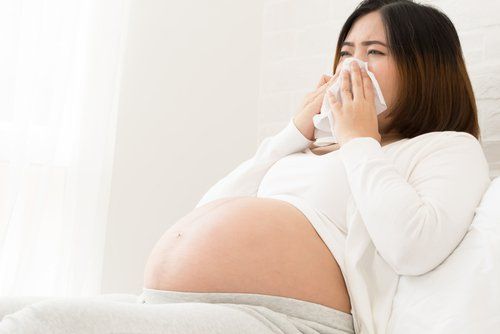
Many people tend to take fever-reducing medication when they have a fever, but this can be extremely dangerous, especially for pregnant women. If experiencing a fever, pregnant women should rest in a cool, well-ventilated environment with fresh air to ensure the well-being of both themselves and the baby.
1. What Should Pregnant Women Do When They Have a Fever?
When sick, antibiotics may be a good treatment option for most people, but they are not always safe for pregnant women, as they can affect the fetus, especially during the first trimester of pregnancy.
If a pregnant woman has a fever, she should use a wet towel to wipe the body to help release heat through the skin. If the fever reaches 39–40°C, use a warm towel to lower the temperature, focusing on the neck, chest, armpits, and groin until the fever drops to 38°C. Continuously monitor body temperature with a thermometer.
Doctors also recommend that pregnant women rest in a cool, well-ventilated environment with fresh air. Open windows for better air circulation, but avoid direct drafts to prevent sudden temperature changes. Avoid excessive bundling up or wearing too little clothing. Wearing too many layers can cause body temperature to rise further. Wearing too few layers can lead to chills, forcing the body to generate more heat. Wear light, breathable clothing that allows good air circulation to help regulate body temperature effectively.
Pregnant women should drink plenty of water and fruit juices to compensate for fluid loss due to fever. Orange juice is particularly beneficial as it helps boost the immune system and promotes recovery.
When experiencing a fever, pregnant women should also maintain a nutritious diet to strengthen their immunity. It is advisable to consume light, easily digestible foods and avoid greasy or high-fat meals.
Pregnant women can use nasal sprays to help reduce fever. Nasal sprays containing antihistamines may provide noticeable relief after 2 to 3 days of use. Reducing inflammation in the nasal sinuses can improve breathing and help lower fever more quickly.
If the fever does not improve after trying these methods, the pregnant woman should visit a hospital for medical evaluation and consult a doctor for appropriate medication.

2. Precautions When Using Fever-Reducing Medication for Pregnant Women
Pregnant women are a high-risk group when it comes to medication use and require special attention. The main concerns include preventing fetal birth defects, avoiding miscarriage in the first trimester, and reducing the risk of preterm birth in the third trimester. The use of unsafe medications can lead to one or all of these complications, potentially resulting in pregnancy termination and severe health risks for both the mother and baby.
Among the fever-reducing medications currently available, the three most commonly used are paracetamol, aspirin, and ibuprofen.
Comparing the benefits and risks of these medications, paracetamol stands out as the safest option, even though it may not have as many pharmacological advantages as aspirin and ibuprofen. For fever management in pregnant women, paracetamol should be the first-line choice. The recommended dosage is one 500mg tablet for a fever of 38.5°C or higher, with the dose repeated every 4–6 hours if needed. The maximum daily limit is six tablets.
In special cases, such as pregnant women with hepatitis B, paracetamol will be considered a second-line option. In such situations, aspirin is prioritized first, followed by ibuprofen, while also taking into account the mother’s medical history, such as a history of miscarriage. Fever-reducing medications can be used safely if taken after meals, within the prescribed dosage, and without exceeding the recommended amount per dose or per day.

Vinmec International General Hospital offers a comprehensive maternity care program for expectant mothers from the early stages of pregnancy. The program includes regular prenatal check-ups, 3D and 4D ultrasounds, and routine tests to ensure maternal health and optimal fetal development. Mothers receive consultations and health monitoring under the close supervision of experienced obstetricians, providing them with essential knowledge to maintain a healthy pregnancy and minimize risks for both mother and baby.
Read more:
- Early Pregnancy Symptoms 4 Days After Ovulation
- Is a fetal heart rate of 180 beats per minute at 9 weeks of pregnancy normal or abnormal?
- Is There a Risk of Pregnancy After Intercourse One Day Before Menstruation and Taking Emergency Contraception the Next Day?
To arrange an appointment, please call HOTLINE or make your reservation directly HERE. You may also download the MyVinmec app to schedule appointments faster and manage your reservations more conveniently.