Vitamins and minerals are essential substances for the body. They participate in cell structure, energy metabolism, and all vital activities of the body. Vitamins and minerals are important for adults, children, and the elderly alike.
1. What is the Role of Vitamins?
Vitamins are organic compounds that the body cannot synthesize on its own, for the most part, and must be obtained externally through daily dietary intake. Vitamins exist in the body in small amounts but play a crucial role in maintaining life and supporting all vital activities.
Functions of Vitamins in the Body:
- Being one of the essential components that make up cells, necessary for the growth and maintenance of cell life.
- Participating in the metabolism of substances.
- Strengthening the body's immune system.
- Regulating the activities of the heart and nervous system.
- Acting as a catalyst in the body to help assimilate and convert food, creating energy for the body's activities.
- Protecting cells from attacks by infectious agents thanks to their antioxidant properties, detoxification, and repair of damaged structures.
- Supporting the treatment of body ailments, enhancing overall health.
Vitamins come in many different types, each with its own specific role in the body, aside from the general functions of vitamins:
- Vitamin B: Stimulates appetite, helps maintain smooth skin and hair, and particularly contributes to the development of the nervous system.
- Vitamin A: Helps improve vision and counteracts the aging process of the body.
- Vitamin C: Slows down oxidation, widely used in dermatology, strengthens blood vessel walls, and is applied in the treatment of bleeding disorders.
- Vitamin D: Together with calcium, stimulates the growth of the skeletal system. A deficiency in vitamin D can lead to conditions such as rickets, spinal curvature, delayed teething, and more.
- Vitamin E: Related to skin conditions and blood cell health.
- Vitamin K: One of the crucial factors in blood clotting. A deficiency in vitamin K can cause blood clotting issues, leading to continuous bleeding from wounds.

Vitamin is an important substance for the body, but it does not mean that vitamin supplements are as much as possible. Excess or deficiency of vitamins both cause diseases of the body that affect health.
Causes of vitamin deficiency:
Inadequate food composition. Due to diseases of the digestive tract leading to reduced or no absorption of vitamins. After taking antibiotics, some intestinal bacteria are destroyed, which affects the synthesis of vitamins. Providing the right amount of vitamins does not meet the age or the body's needs. Other causes: due to genetic enzyme deficiency, internal factor deficiency, drug use,... Causes of excess vitamins in the body:
Excess vitamins are common in fat-soluble vitamins such as vitamin A, vitamin D Water-soluble vitamins are less abundant because they are eliminated quickly and do not cause accumulation. Excess vitamins due to abuse of vitamin supplements. Eating too many foods containing vitamins in oil.
Vitamins are important substances for the body, but it does not mean that the more vitamins you take, the better. Both an excess and a deficiency of vitamins can lead to health conditions that affect overall well-being.
Causes of Vitamin Deficiency:
- Inadequate dietary components.
- Gastrointestinal diseases leading to reduced or no vitamin absorption.
- Post-antibiotic use, which can destroy certain gut bacteria, impacting vitamin synthesis.
- Providing vitamin amounts that do not meet age or body requirements.
- Other causes: genetic enzyme deficiencies, lack of intrinsic factors, medication use, etc.
Causes of Vitamin Overload in the Body:
- Vitamin overload is commonly found in fat-soluble vitamins like vitamin A and vitamin D. Water-soluble vitamins are less likely to be in excess as they are quickly excreted and do not accumulate.
- Overuse of vitamin supplements.
- Consuming too many foods that contain fat-soluble vitamins.
2. The Role of Minerals in the Body
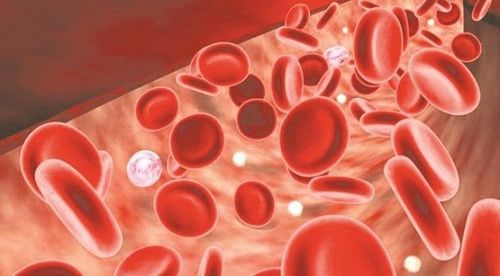
For overall health, minerals play a role as important as vitamins. They are involved in cell structure, vital activities, and particularly crucial for balancing fluids, maintaining the growth of bones, teeth, and muscles, as well as supporting nervous system functions.
Just like vitamins, minerals are substances that the body cannot produce on its own. They are primarily obtained through diet. A scientifically balanced diet rich in nutrients will ensure good health.
Minerals include sodium, chloride, potassium, calcium, phosphorus, magnesium, and trace minerals like iron, selenium, manganese, fluoride, copper, and iodine. Each mineral has its own specific function. The roles of some commonly used important minerals:
- Magnesium: Essential for the function of the digestive system, especially muscle contractions and nerve impulses. Additionally, magnesium helps control blood sugar levels, regulate blood pressure, and maintain bone strength.
- Selenium: A component of the enzyme glutathione peroxidase, influencing all components of the immune system and affecting white blood cell development. Selenium deficiency causes immune suppression, reduces white blood cell function, and prevents metabolic disorders in the digestive system.
- Iron: Necessary for the formation of blood cells. Iron deficiency can cause anemia, hair loss, headaches, and dizziness.
- Zinc: Stimulates enzyme activities, supports the immune system, protects taste and smell, and is involved in DNA synthesis.
- Chloride: A unique mineral in the body, and a component of gastric juice. Chloride, together with sodium, helps the body balance its fluid system.
- Potassium: Necessary for the central nervous system and also involved in balancing the body's fluids. An imbalance in potassium levels can cause arrhythmia.
- Sodium: Combined with chloride, helps balance extracellular fluids and regulate blood pressure.
Vitamins and minerals are crucial substances for the body, participating in all of its functions. Nowadays, due to changes in processing methods, dietary habits, and food cultivation techniques, the intake of vitamins and minerals has also changed. Although they are trace elements, both excess and deficiency of vitamins and minerals in the body can affect health. It is important to establish a suitable nutrition plan to ensure optimal health and development.
To arrange an appointment, please call HOTLINE or make your reservation directly HERE. You may also download the MyVinmec app to schedule appointments faster and manage your reservations more conveniently.