An open wound is a common occurrence in daily life. However, not everyone knows the correct way to care for an open wound. One of the most frequently asked questions is whether an open wound should be completely covered or not.
1. Should an open wound be completely covered?
The question of whether an open wound should be covered is a common concern. In reality, the decision depends on the nature of the wound.
- When is it not necessary to cover a wound?: Leaving a wound uncovered can expose it to friction from clothing, dirt, or external contaminants. If the wound is in an area frequently used for work or movement, it is more prone to infection. However, for small, superficial wounds that are not at risk of contamination or friction from clothing, leaving them uncovered can help them dry out and heal faster. Similarly, pressure ulcers are often recommended to be kept dry to promote natural healing.
- When should an open wound be covered?: For larger open wounds, leaving them uncovered can cause the exposed surface cells to dry out, increasing pain or delaying healing. Therefore, larger wounds should be properly covered with a sterile dressing to maintain moisture, prevent infection, and promote faster healing with reduced scarring. Additionally, wounds on areas prone to dirt exposure, such as hands and feet, or those subject to irritation from clothing should be covered using a sterile bandage to protect against contamination.
In summary, whether to cover an open wound depends on its condition. Minor wounds can often be managed independently, while larger open wounds require medical attention for proper care.
2. How to bandage an open wound?
To properly bandage an open wound, you will need the following supplies: sterile gauze, adhesive bandages, or medical tape.
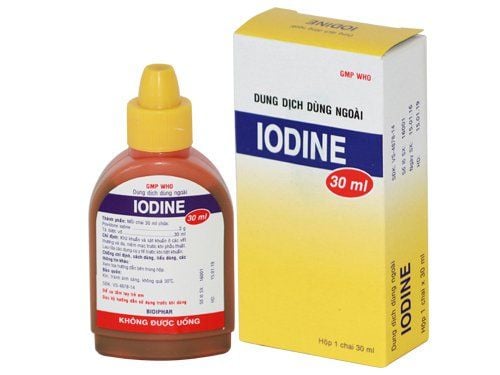
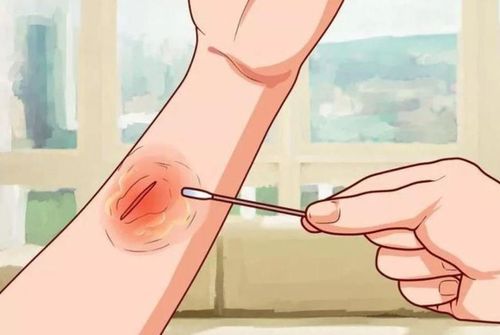
- First, wash the wound area thoroughly. And place a sterile gauze pad over the wound. Before applying the dressing, you can use iodine alcohol to disinfect the wound.
- Secure the dressing. Use medical tape to fix the gauze in place. In some cases, a bandage roll may be necessary. Unroll the bandage, starting from one end, wrap it around the wound, and secure it using clips or the excess bandage itself.
- After bandaging, keep the wounded area elevated to reduce swelling. Change the bandage daily to prevent infection and avoid getting the bandaged wound wet to ensure proper healing.
Additionally, for small wounds on hands or feet, you can disinfect the wound and use Urgo bandages) to protect it from friction or bacterial contamination.

3. Important notes when dealing with an open wound
When caring for an open wound, keep the following precautions in mind:
- If the wound is covered, avoid moisture, especially exposure to unclean water.
- Change the bandage daily and monitor the wound's condition to assess its healing progress.
- Regularly check the wound for any abnormalities.
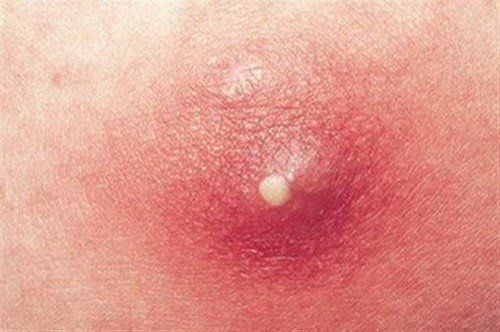
- Signs that an open wound requires medical attention: The wound is not healing continuously and appears jagged. Wounds on the face should be treated carefully to minimize scarring. The edges of the wound appear to be separating rather than closing. Dirt or debris is trapped in the wound and cannot be cleaned. Increasing swelling, redness, pus discharge, yellow or green with a foul odor. Signs of fever above 37.5°C. Numbness around the wound area.
For minor open wounds, bandaging may not always be necessary, as exposure to air can sometimes aid healing. However, for larger wounds, proper bandaging is essential to prevent infection and maintain moisture for faster recovery. If unsure about the severity of the wound, seek medical attention for appropriate treatment.
Read more:
To arrange an appointment, please call HOTLINE or make your reservation directly HERE. You may also download the MyVinmec app to schedule appointments faster and manage your reservations more conveniently.