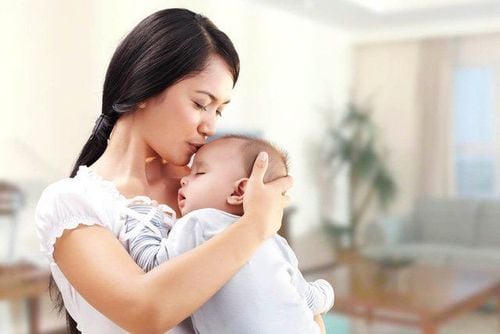
Many babies prefer sleeping on their sides, while others are placed on their backs or stomachs. Some believe that letting a newborn sleep on their side is the best option to ensure a safe and comfortable sleep. However, there is no universally optimal sleeping position that applies to all newborns.
1. The Role of a Safe Sleeping Position for Newborns
Newborns spend most of their early months sleeping, and sleep plays a crucial role in their development. Observations show that many babies prefer sleeping on their sides, while others choose to sleep on their backs or even their stomachs. Selecting a safe sleeping position is essential for protecting a newborn’s sleep. According to statistics, many cases of sudden infant death syndrome (SIDS) are related to unsafe sleeping positions. More than 80% of unexpected infant deaths in the United States are classified under this syndrome.
Parents and caregivers must understand the importance of a safe sleeping position for a newborn’s health and well-being. Choosing a safe sleeping position should be based on scientific evidence and medical guidance. Relying on traditional practices or folk remedies may expose the baby to potential dangers. Some actions to avoid while the baby is sleeping include:
- Covering the baby's face with blankets or cloths, which can cause overheating and, more dangerously, suffocation.
- Using excessively soft bedding, as it can cause the baby to sink in and lead to suffocation. If a newborn is placed on a sofa, soft mattress, or fluffy pillow, constant supervision by an adult is required.
- Leaving the newborn to sleep alone. In the first months of life, a newborn's nervous system and protective reflexes are not fully developed. Parents should not let their baby sleep alone in a room to minimize the risk of unexpected accidents.
- Keeping the baby in a fixed sleeping position for too long, as lying on the stomach for extended periods can make breathing difficult, while lying on the back for too long can cause flat head syndrome in the occipital region.
2. Why Should Newborns Sleep on Their Sides?
Many experts recommend that newborns sleep on their sides as it offers several benefits. Parents should place the baby entirely on one side and swaddle them in a thin cloth to keep their arms and legs along the body, creating a sense of warmth and security during sleep. A special newborn pillow may be used to help change the baby’s sleeping position from left to right periodically.
The most significant benefit of side sleeping is ensuring a safe airway for the baby. A newborn sleeping on their side has a lower risk of suffocation, especially if they spit up, as stomach contents are less likely to enter the airway and cause choking. Additionally, this position can help reduce snoring and noisy breathing during sleep. However, prolonged side sleeping can cause flattening of the skull at the temple area or ear deformities, which can affect aesthetics.
Each sleeping position has its benefits and risks. No position is absolutely superior, and the best one depends on the baby's age and health condition. Since newborns are too young to change positions on their own while sleeping, parents should ensure the baby sleeps in various positions instead of keeping them in a fixed posture to maximize the benefits and minimize the risks of each position.

3. Benefits and Risks of Other Sleeping Positions
In addition to the side-sleeping position, newborns can also sleep in the following ways:
- Back sleeping: This is the most natural sleeping position for babies. Their arms are extended, elbows bent and directed towards the head, and legs slightly bent at the knees and thighs. Caregivers should place a thin pillow under the baby’s shoulders to keep the airway clear and maintain a straight alignment of the upper airway. This position provides comfort, promotes relaxation, supports breathing by keeping the airway unobstructed, and facilitates easy care and hygiene. However, prolonged back sleeping can cause flat head syndrome in the occipital region, affecting head shape and overall appearance.
- Stomach sleeping: Many newborns prefer sleeping on their stomachs because it creates a sense of warmth and security. In this position, the baby’s legs should be bent toward the abdomen at a moderate angle, not exceeding 90 degrees, and the arms should rest comfortably on the sides. This position resembles the fetal position in the womb, providing a sense of protection. Additionally, stomach sleeping can help prevent acid reflux and encourage motor development by stimulating movements such as turning and rolling over. However, experts generally do not recommend frequent stomach sleeping due to increased risks of suffocation, overheating from trapped sweat, and difficulty monitoring the baby for signs of distress.
Some newborns with medical conditions receiving hospital care may be placed in specific sleeping positions tailored to their condition.

At Vinmec International General Hospital, the Pediatrics Department specializes in diagnosing and treating common illnesses in newborns and young children, such as viral and bacterial infections, otitis media, and pneumonia. With modern equipment, a sterile environment that minimizes the risk of infection, and dedicated medical professionals with expertise in pediatrics, the hospital ensures a safe and comfortable experience for both children and parents.
To arrange an appointment, please call HOTLINE or make your reservation directly HERE. You may also download the MyVinmec app to schedule appointments faster and manage your reservations more conveniently.