Spraying mosquito repellent is an effective measure to eliminate mosquitoes and protect human health from mosquito-borne diseases such as dengue fever and Japanese encephalitis. Proper and timely mosquito spraying will yield high effectiveness and ensure community health safety.
1. When should mosquito spraying be done?
Insecticide products are classified into three groups: organochlorine-based, pyrethrine-based, and organophosphorus-based. Among them, pyrethrine-based mosquito insecticides are used by the Ministry of Health to prevent dengue fever outbreaks in the community. These mosquito insecticides have been tested across three regions and have been proven safe for human health. They are sprayed into the air in small volumes as a fine mist. After a few hours, the chemical disperses into the air, making it completely safe for health.
However, to maximize the effectiveness of dengue mosquito spraying, it is essential to consider the timing. If sprayed at the right time, a higher number of infected mosquitoes will be eliminated. Conversely, if sprayed at the wrong time, mosquitoes will be less affected and may develop resistance to the insecticide. So, when is the best time to spray for mosquitoes?
Different mosquito species have different activity times. Aedes mosquitoes, which transmit dengue fever, are active during the day, with peak activity in the early morning. Therefore, the most effective time to spray dengue mosquito insecticides is in the morning and before sunset. In contrast, Culex tritaeniorhynchus mosquitoes, which transmit Japanese encephalitis, are primarily active at night and fly to rice fields during the day to breed. Thus, the optimal time to spray insecticide for these mosquitoes is between 7:00 PM and 10:00 PM.
According to healthcare experts, for indoor mosquitoes, spraying should be done early in the morning until 10:00 AM or at dusk, under dry and low-wind conditions. This is when mosquitoes are most active, ensuring optimal effectiveness of the spraying.
2. Does mosquito spraying affect human health?
There are two main methods of mosquito spraying: households using mosquito spray cans at home and community-wide dengue prevention spraying as directed by the health sector.
When using mosquito spray cans at home, it is essential to choose products licensed and approved by the Ministry of Health. If used according to the manufacturer’s instructions, the chemicals in mosquito sprays do not pose a risk to human health. However, the limitation of spray cans is that their effect is short-lived and only covers a small area, making it difficult to eliminate all disease-carrying mosquitoes.
Community-wide spraying, as directed by the health sector, uses ULV (Ultra Low Volume) spray machines. Operators must have the necessary skills to handle the equipment, control the spraying speed, and adjust the concentration according to the Ministry of Health’s recommendations. The amount of insecticide used is minimal and dispersed in a large area through thermal fogging, making it non-toxic and safe for human health.
Mosquito spraying for dengue prevention has an immediate effect but is not long-lasting and has certain environmental impacts. Therefore, it should only be done during peak periods to rapidly eliminate disease-carrying mosquitoes. Maintaining environmental cleanliness, eliminating mosquito larvae, and removing stagnant water remain the most effective long-term measures for dengue prevention.
3. Precautions when spraying mosquito insecticide

- Before spraying mosquito insecticide, move people, pets, clothing, and household items out of the house, cover daily-use items and food preparation tools, and close all windows.
- Only enter the house at least 60 minutes after spraying to ensure the insecticide has fully dispersed in the air.
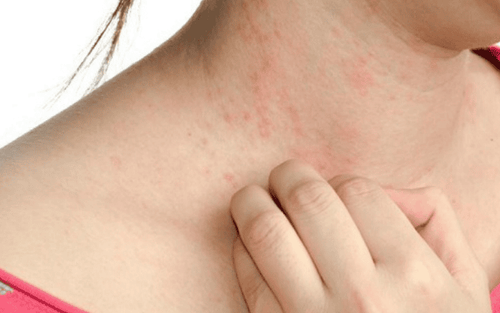
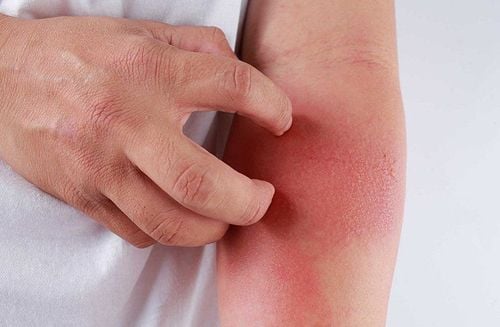
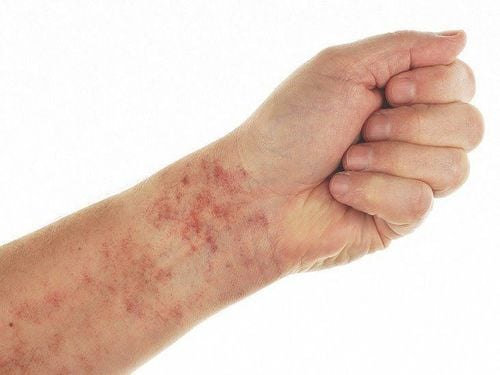
- Although mosquito insecticides are relatively safe, some individuals with sensitive conditions may experience symptoms such as red eyes, coughing, nausea, sneezing, or skin irritation. In such cases, rinse the affected area with clean water multiple times. If symptoms persist, seek medical attention.
- Besides affecting mosquitoes, insecticides may also impact other insects and animals, such as ants, cockroaches, bees, birds, and silkworms.
- Mosquito spraying for dengue prevention has only a short-term effect in small areas. Therefore, to effectively prevent dengue fever, it is essential to apply other non-chemical mosquito control methods.
4. Effective ways to prevent mosquitoes during the dengue fever season.
Currently, there is no specific vaccine or treatment for dengue fever, so preventing and eliminating mosquitoes remains the most effective method of disease prevention. To effectively prevent mosquitoes during an outbreak, you can follow these measures:
- Mosquitoes usually live around the house and lay eggs in water containers such as jars, tanks, flower vases, and water basins. Therefore, cover all water containers tightly to prevent mosquitoes from laying eggs.
- Eliminate mosquito larvae by adding fish to water tanks, turning over unused containers, and regularly changing the water in flower vases.
- Clean up waste, maintain environmental hygiene, and keep living spaces tidy.
- Use mosquito nets and wear long-sleeved clothing to prevent mosquito bites.
- In addition to mosquito spraying, other mosquito control methods can be used, such as electric mosquito rackets, mosquito-catching fans, mosquito repellent lotions, and mosquito-repelling incense.
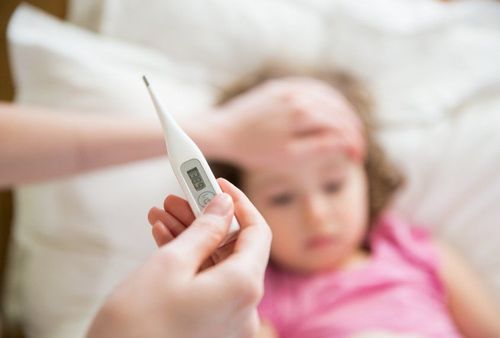
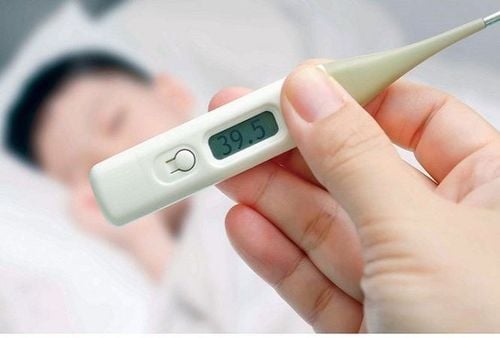
Every household should actively cooperate with health authorities to eliminate mosquitoes and prevent dengue fever outbreaks in the community. If you experience a high fever, muscle pain, or suspect dengue fever, seek medical attention immediately instead of self-medicating at home.
To arrange an appointment, please call HOTLINE or make your reservation directly HERE. You may also download the MyVinmec app to schedule appointments faster and manage your reservations more conveniently.