The article is professionally consulted by MA, MD Doan Ngoc Quynh Tram - Neonatology Department - Vinmec Nha Trang International General Hospital.
This is a time to celebrate, as your baby has reached 6 months of age. You may have many questions in mind, such as whether your baby is left-handed or right-handed? Whether your baby is ready for solid foods?
Along with excited expressions, you will also notice that your baby can almost sit independently, play with toys, interact with others, crawl around .... At 24 weeks old, infants may even be ready for light foods in addition to breast milk and formula milk.
1. Caring for a 24-Week-Old Infant
1.1. Feeding a 24-Week-Old Infant
As infants reach 24 weeks of age, their bodies undergo significant developmental changes. Notably, by this time, the natural iron stores they had while in the womb begin to diminish. Since breast milk contains only a limited amount of iron, supplementation from external sources becomes essential. Parents can explore and introduce light, easily digestible foods alongside breast milk or formula milk.
Parents often break food into small pieces to prevent choking. Additionally, making meals visually appealing can attract a child's attention, encouraging them to eat more and enjoy their meals. However, 24-week-old infants can only grasp objects in a basic manner, meaning that pieces that are too small might frustrate them. Instead, parents can offer apple slices, mango slices, or small bananas that the baby can hold comfortably. Furthermore, parents should be mindful of certain foods that should be completely avoided until the baby reaches an appropriate age, such as cow’s milk, which contains a high amount of protein that an infant’s immature digestive system cannot yet process, potentially causing bloating and indigestion, or certain acidic foods, which can negatively affect a baby’s stomach and intestines.
When introducing a new food, parents should observe their baby's facial expressions. Babies will use their tongue, lips, and gums in various ways to chew and swallow. A small, soft spoon is convenient for feeding purees, soups,... The early stages of feeding can be challenging for parents and require patience, as babies will likely make a mess, spilling food around and getting it on their adorable outfits. It would be better to let the baby use a large bib, sit in a high chair, and have a plastic mat underneath, making it easier for parents to clean up after the meal.

1.2. Putting a 24-Week-Old Infant to Sleep
At this age, babies no longer sleep as much as before. Changes in their eating habits can affect their sleep, especially at night. Along with dietary supplementation, brain development and teething can make it more challenging for parents to care for their baby during this period. Babies tend to wake up frequently at night and cry more, requiring parents to feed and soothe them back to sleep.
1.3. Tips for Caring for a 24-Week-Old Infant
Caring for a 24-week-old infant can be exhausting and stressful for parents or caregivers. Therefore, take time to relax and enjoy moments with your baby by taking them for a walk in a stroller and experiencing the outdoor environment. Parents should also avoid being overly protective, restricting their baby’s exposure to the outside world, allowing them to explore freely under supervision.
Some parents focus excessively on keeping the baby’s environment clean, unintentionally limiting their natural exploration. At this age, babies enjoy grabbing, biting, and sucking on toys. Rather than restricting these activities, parents should provide safe, non-toxic toys designed for chewing. After each use, parents should wash, dry, and store the toys properly for the next playtime.
Be cautious when selecting foods for your baby, especially when combining different ingredients in meals. Avoid foods that may interact negatively, causing bloating, indigestion, or, in more severe cases, health issues. Parents can seek advice from nutrition experts or attend nutritional counseling sessions conducted by professionals. After that, they can develop a balanced meal plan suitable for each stage of the baby’s growth.
At 24 weeks old, babies still need at least three naps lasting 1–3 hours per day. Even if they do not seem sleepy, it is beneficial to gently guide them into sleep whenever possible. Parents can tell stories, sing lullabies,... to help their baby fall asleep more easily.

1.4. Vaccination
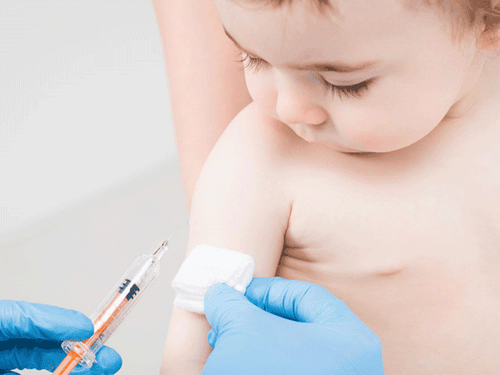
Parents should regularly check their 24-week-old infant’s vaccination record, keeping track of scheduled dates and the names of vaccines. At this age, babies should receive the required doses in full and on schedule, following the Ministry of Health’s guidelines:
- Influenza vaccine, recommended for children from 6 months of age.
- Third dose of Rotavirus vaccine (RotaTeq).
- Pneumococcal vaccine, protecting against diseases such as pneumonia.
- Third dose of the Hib vaccine, preventing pneumonia, meningitis, otitis media, and other infections caused by Hib( Haemophilus Influenzae type B)
1.5. Games and Activities for a 24-Week-Old Infant
At 24 weeks old, babies become more active and energetic compared to previous weeks. Instead of holding the baby all the time, parents should spread a mat on the floor and place the baby down, allowing them to explore their surroundings and begin exercising their muscles, which supports physical development. Babies will begin playing with nearby objects, including their own feet, often bringing them to their mouth to suck or chew. This activity is an enjoyable game for infants during this stage and serves as early preparation for crawling and transitioning between sitting and lying positions.
Sound-related games such as rhymes, talking, singing, and making noises attract a baby's attention. Parents can imitate animal sounds or show pictures of animals and objects that interest the baby, making them laugh while also teaching them. Over time, the baby will begin mimicking these sounds and gestures. Spending quality playtime with your baby helps track their daily developmental changes.
2. How Does a 24-Week-Old Infant Develop?
Physically, a 24-week-old infant will have twice the weight and size compared to birth. Làn da và nước da của bé sẽ có sự thay đổi rõ ràng hơn so với thời điểm sinh ra. Their skin tone and texture will also show clearer changes. As their bones and muscles become stronger and more stable, babies may be able to sit up independently and roll around the house. Some babies may even start crawling earlier. However, parents should not worry if their baby has not begun crawling yet—within a short period, they will likely reach this milestone.
As babies grow physically and mentally, parents will notice changes in their daily routine. Babies tend to wake up more frequently at night, requiring parents to soothe them back to sleep, often by feeding and lulling. During teething periods, babies may experience fever and increased fussiness. Additionally, as the nervous system and brain develop, parents may notice a typical behavior in babies—bringing their bare feet to their mouth and sucking or chewing on them. There is no need to be overly concerned about this; instead, be patient and enjoy the experience, as it indicates that the baby has started to gain control over their body movements.
At this stage, the most fascinating aspect is that babies begin to recognize voices, perceive emotions, and connect with the feelings of those around them, especially their parents—the ones who spend the most time with them. Babies will start to show humorous expressions, sometimes appearing excited, happy, confused, or even frustrated.
This is the best time for parents and family members to strengthen their bond and build a close connection with the baby. Instead of feeling frustrated when the baby demands something or cries at night, parents should cherish and capture these precious moments, as they happen only once in a child's life.
Parents should consult a doctor if they notice any unusual behavioral changes, such as uncontrollable crying, high fever, lack of interest in playing, or reduced activity compared to before. Changes in diet can also make babies more prone to diarrhea. These symptoms may or may not be related to teething or other health issues, so it is best for parents to contact a doctor early to identify any potential concerns.
Notably, at 24 weeks old, babies enter a phase of exploration, skill development, and solid food introduction, making them more susceptible to respiratory and digestive illnesses. Therefore, vaccination plays a crucial role in strengthening immunity against serious diseases such as pneumonia, meningitis, diarrhea caused by Rotavirus, and infections caused by Haemophilus influenzae type B (HIB). Parents should proactively take their baby for scheduled vaccinations at medical facilities.
References: parenting.firstcry.com, mamanatural.com
To arrange an appointment, please call HOTLINE or make your reservation directly HERE. You may also download the MyVinmec app to schedule appointments faster and manage your reservations more conveniently.