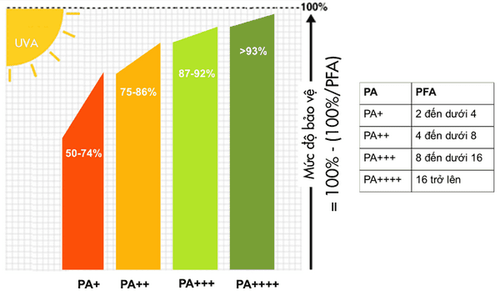
Avobenzone is a common ingredient in chemical sunscreens. Unlike other chemical sunscreen ingredients that only protect against sunburn-causing UVB rays, Avobenzone also shields the skin from UVA rays, which contribute to premature aging and skin cancer.
1. What is Avobenzone?
Invented in 1973 and approved by the FDA in 1988, Avobenzone is a chemical sunscreen agent that protects the skin by absorbing UVA rays. This differs from mineral sunscreen ingredients like titanium dioxide and zinc oxide, which sit on the skin's surface and reflect sunlight.
Instead, Avobenzone in sunscreen works by converting UVA rays into heat energy, which is then released from the skin. In other words, Avobenzone transforms harmful UV radiation into less damaging energy.
Because Avobenzone does not filter UVB rays, it is often combined with UVB-filtering ingredients to provide broad-spectrum protection, meaning the sunscreen protects against both UVA and UVB rays.
2. The effects of Avobenzone in sunscreen
Avobenzone itself is relatively safe in terms of toxicity, but it degrades quickly when exposed to sunlight. When used alone, Avobenzone provides only about 30 minutes of protection. Therefore, many chemical sunscreen formulations that use Avobenzone for UVA protection must include additional potentially unsafe chemicals, such as octocrylene, to extend the sunscreen's effectiveness beyond 30 minutes.
Octocrylene is added to stabilize Avobenzone, which is beneficial; however, it is also an endocrine disruptor that releases free radicals. Skin sample tests have shown that using octocrylene leads to higher levels of free radicals compared to skin exposed to sunlight without sunscreen. These free radicals can damage skin cells, increasing the risk of cancer and other health concerns. Therefore, using sunscreen products containing Avobenzone may pose potential health risks, making it essential for consumers to understand what Avobenzone is in order to make informed choices. Ultimately, the decision to use sunscreens with this ingredient depends on personal preference. However, for those concerned about endocrine disruption or seeking a more environmentally friendly alternative, physical sunscreens are a better choice.
3. Alternatives to Avobenzone in sunscreen
The free radicals generated in the skin when using Avobenzone-based sunscreen pose potential health risks. However, these risks must be weighed against the benefits of preventing premature aging and skin cancer.
Fortunately, alternatives like zinc oxide provide natural broad-spectrum sun protection. Zinc oxide is a stable inert ingredient that does not degrade under sunlight or release free radicals, making it a safer choice for skin protection.
In conclusion, Avobenzone in chemical sunscreens is a key ingredient in protecting the skin from UV damage. However, compared to mineral sunscreens, these products may pose risks due to free radical formation. Consumers should understand Avobenzone’s properties to make informed choices and should consider purchasing from trusted brands.
The market offers a variety of natural broad-spectrum sunscreens containing safe ingredients, allowing users to confidently apply sunscreen daily for optimal skin protection. These products feature durable sun filters, protecting against both UVA and UVB rays with high effectiveness. Additionally, some sunscreens come with lightweight, smooth textures, providing long-lasting wear, hydrating benefits, oil-free formulations, water resistance, and brightening effects, ensuring all-day sun protection in an active lifestyle.
To arrange an appointment, please call HOTLINE or make your reservation directly HERE. You may also download the MyVinmec app to schedule appointments faster and manage your reservations more conveniently.