Herpes is the most common sexually transmitted virus in the US with 45 million people carrying the virus. Genital herpes caused by the herpes virus can cause serious or fatal infections in newborns if the mother is infected with the virus at the time of childbirth. The virus also makes it easy for people to transmit and contract HIV and other sexually transmitted diseases.
1. What is genital herpes?
The cause of genital herpes is the herpes simplex virus (HSV). There are two strains of the virus:
- HSV-2 is the most common cause of genital herpes.
- HSV-1 causes cold sores or fever blisters that many people get on their lips, and can also cause genital herpes.
The virus can be spread through both vaginal or anal intercourse and oral sex. This virus spreads easily by contact with herpes sores. However, the virus can also be spread from an infected person without any signs or symptoms of infection.
2. What will be the symptoms after being infected with the Herpes virus?
Genital herpes virus is transmitted from one person to another through sexual contact. This happens even when the person infected with the virus has no symptoms or signs of infection.
Once the virus penetrates the skin, it travels along nerve pathways. It can stay dormant in the nerves and stay there permanently.
Over time, the virus can become active. When that happens, the virus travels along nerve pathways to the surface of the skin. At this point, the virus can cause a variety of symptoms. In many cases, an active virus is easily transmitted from one person to another through sexual contact. Even wearing a condom cannot completely protect a partner from infection. The number of recurrences or outbreaks of herpes virus disease may vary from person to person.
3. Symptoms of genital herpes caused by Herpes

Although people infected with the Herpes virus may not have any symptoms, some people may notice symptoms within a few days to weeks after exposure. Or, the person may not have initial flare-ups until months or even years after infection.
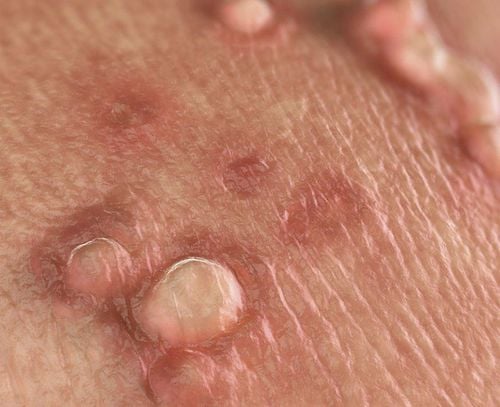
When genital herpes symptoms occur early after infection, the patient tends to have more severe genital herpes symptoms. The disease can start as itching, burning, and discomfort in some areas of the skin and mucous membranes. Then, pimples appear here filled with water and white pus, and the skin around the pimples becomes red.These warts often appear on the vulva, vagina, labia majora, labia minora, anus, buttocks, cheeks, lips, oral cavity, thighs (in women) or mouth, chin, lips, anus, scrotum, groin, penis shaft, buttocks, glans, foreskin, thighs, and legs in men. These blisters can last for about 1 - 2 weeks then begin to crust over and gradually disappear without any treatment. In fact, the Herpes virus is only temporarily hidden for a while, then after a few months the disease recurs.
When the disease recurs, the patient has fever, headache, body fatigue, aching limbs, swollen lymph nodes, muscle pain, and poor appetite. More rarely, some men with genital herpes may have additional symptoms of pus discharge from the vaginal opening, for women, there is more vaginal discharge with a foul odor.
4. Diagnosis and treatment of genital herpes caused by Herpes
Genital herpes is diagnosed by a physical examination and is often confirmed by a swab test or blood test.
Currently, there is no method to completely cure genital herpes. But symptoms can be reduced and prevented with treatment, and the goal of treatment is also to reduce the risk of infecting others.
The doctor may prescribe antiviral medications to help prevent or relieve pain and discomfort caused by a flare-up of symptoms. Medications taken daily to suppress the virus can reduce the number of outbreaks and reduce the risk of infecting others.

5. Does genital herpes recur?
After a patient is infected with the herpes virus, there may be 4 to 5 outbreaks of genital herpes within the first year. Over time, the patient's body produces and accumulates more immunity to the virus, so outbreaks may become less frequent, or even stop completely in some people.
6. What causes genital herpes to recur?
When symptoms recur, they often appear when the patient has symptoms of psychological stress or other illnesses. During this time, the patient's immune system is less able to inhibit the virus and render it inactive. Symptoms recur when:
- Tired
- Have other diseases
- After sex
- During menstruation
- Stress
- After surgery
- After injury.
7. Can symptoms be treated at home?
There are a number of things you can do to reduce the discomfort and severity of symptoms during a flare-up. Home treatment includes:
- Take pain relievers such as aspirin, acetaminophen or ibuprofen.
- Wash the painful area with a warm salt water solution twice a day.
- Allow air to circulate around the ulcer by wearing loose clothing.
- Place an ice pack on the painful area. Wrap the ice pack in a towel or cloth.
- Get plenty of rest.
There are also things the patient can do to avoid transmitting the virus to other parts of the body, as well as to other people. Follow these steps:
- Do not kiss when the sick person or partner has mouth sores.
- Avoid oral sex when either person has mouth or genital sores.
- Do not come into contact with the genitals or anus when any sores are present.
- Wash your hands with soap and water after touching infected areas.
- Do not wet contact lenses with saliva.
8. How does genital herpes affect health?
For most people, genital herpes is not a serious health threat. Besides discomfort, herpes virus infection is a psychological stressor:
- Creates anxiety
- Affects the patient's self-esteem
- Affects the patient's sense of security and emotions
However, in some cases, complications from genital herpes can be serious, even life-threatening.
Although rare, pregnant women can pass herpes to their babies. This can lead to serious and sometimes fatal infections in the child. That's why taking steps to prevent outbreaks at the time of delivery is recommended starting at 34 weeks of pregnancy. If there are signs of an active viral infection at the time of birth, your doctor may recommend a cesarean section.
People with genital herpes are at high risk of HIV infection because cracks and sores in the skin create openings through which the HIV virus can enter the body.
Vinmec International Hospital's Examination and Screening Package for Social Diseases helps customers screen for social diseases to detect diseases early for effective treatment and avoid complications.
To arrange an appointment, please call HOTLINE or make your reservation directly HERE. You may also download the MyVinmec app to schedule appointments faster and manage your reservations more conveniently.