Many people have the habit of eating rice soaked in soup, believing that it makes food “easier to swallow and digest”. However, from a scientific perspective, this practice has several negative effects on health. Parents should avoid making this habit for their children to prevent stomach-related illnesses, which could lead to future health problems.
1. Is eating rice soaked in soup harmful? Should it be avoided?
Many parents wonder, “Is eating rice soaked in soup good?” The answer given by many nutrition and health experts is “No,” and this habit should be stopped as soon as possible.
To explain this conclusion, below are the reasons why parents should not let their children eat rice soaked in soup:
1.1. Rice and food enter the stomach without being properly chewed
According to doctors, the habit of eating rice mixed with soup is a mistake commonly made by many generations of Vietnamese people. Soup dilutes gastric juices, causing food to pass into the small intestine before it is fully digested in the stomach, increasing the risk of digestive disorders.
Additionally, when rice is not properly chewed and broken down, it puts extra pressure on the stomach, forcing it to work harder. If this habit persists, children may develop stomach diseases over time.
1.2. Children become lazy to chew, leading to a loss of beneficial enzymes
The chewing process activates enzymes in saliva that aid digestion and nutrient absorption. However, when soup dilutes digestive fluids, the body absorbs nutrients less efficiently. As a result, although children may feel full quickly (a false sense of satiety), they actually absorb fewer nutrients. If this habit continues, it may create a long-term reflex of chewing less, affecting jaw muscle development in young children.

2. Teaching children basic mealtime principles
2.1. Do not give children soup immediately after cooking
Many families prefer eating soup right after cooking. However, at this point, the soup's temperature is still high. The human throat, esophagus, and gastric mucosa can only tolerate temperatures of around 60°C. Eating hot soup immediately after cooking may damage a child's gastric mucosa and digestive tract. Therefore, it is best to wait until the soup cools to below 50°C before serving it to children.
2.2. Prioritize soup at lunch, limit it at dinner
Studies by many experts indicate that the body absorbs the fewest calories when consuming soup during lunch. Therefore, to prevent childhood obesity, families can encourage children to eat more soup at this time.
Conversely, eating too much soup at dinner is not advisable. The nutrients in soup accumulate and contribute to weight gain. If parents wish to serve soup at dinner, they should opt for low-calorie ingredients such as leafy greens, pumpkin, or chicken breast…
2.3. Enjoy soup slowly
“Eating slowly and chewing thoroughly” is a habit that many experts recommend. Eating at a slow pace allows children to fully enjoy the flavor of food. The same applies to soup. Eating soup gradually gives the body enough time to digest and absorb nutrients while allowing the digestive organs to function in harmony. Children should stop eating when they feel full.
On the other hand, if children are pressured to eat quickly and drink too much soup, they may unknowingly consume more than necessary, leading to bloating, discomfort, and weight gain.
2.4. Drinking soup before eating rice helps with weight control
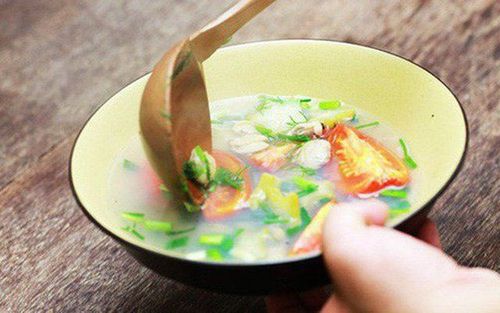
“Drinking soup before eating rice promotes a slim and healthy figure. Eating soup after rice, however, increases the likelihood of gaining weight”. This has been scientifically proven. Drinking a bowl of soup before a meal helps protect the digestive mucosa from irritation caused by dry, hard food. It also aids digestion and creates a feeling of fullness, preventing overeating. Studies estimate that consuming soup before a meal can reduce calorie intake by 100 to 190 calories.
Conversely, drinking soup after finishing rice or at the end of a meal dilutes digestive fluids, negatively affecting digestion and overall health.
In general, parents should establish healthy eating habits for their children early on. Continuously eating rice soaked in soup can lead to digestive disorders. To prevent digestive issues and stomach problems, parents should teach children to chew thoroughly while eating, avoid talking or watching TV during meals, and refrain from soft drinks while eating. If children find food too dry and difficult to swallow, parents may add a small amount of broth to help them chew more easily.
To arrange an appointment, please call HOTLINE or make your reservation directly HERE. You may also download the MyVinmec app to schedule appointments faster and manage your reservations more conveniently.