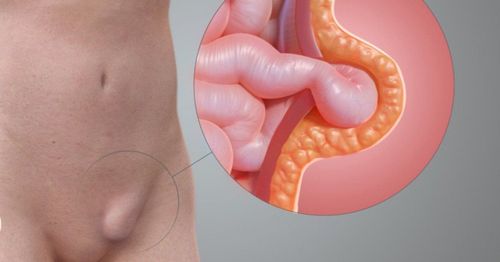
Postpartum urinary retention is one of the common complications, particularly in women who deliver vaginally. These women may experience a strong urge to urinate but are unable to do so. Clinical examination typically reveals a soft abdomen with a well-contracted uterine fundus, along with an additional palpable mass, which is the distended bladder.
1. Is postpartum urinary retention dangerous?
Postpartum urinary retention is not hazardous; however, it significantly affects the mother's comfort. Approximately 13.5% of women post-delivery experience this condition.
Postpartum women suffering from urinary retention may feel localized distension upon abdominal palpation. After being guided to adopt appropriate postures for urination or applying warm compresses to the suprapubic area, if the patient remains unable to urinate, the discomfort and distension may worsen.

2. Management of urinary retention in postpartum women
2.1 Principles of Treatment
There are four key principles to manage postpartum urinary retention:
• Facilitate urination to restore the physiological urination reflex.
• Administer antibiotics to prevent infection.
• Use anti-inflammatory agents to reduce edema compressing the bladder neck.
• Support and enhance bladder tone to restore normal detrusor function.
2.2 Procedure Order in Managing Urinary Retention
2.2.1 Initiation of Urination
• Apply warm compresses to the abdomen, and bathe or cleanse the perineal area with warm water.
• Encourage increased fluid intake and maintain a balanced diet.
• Promote early mobilization.
• Advise urination in a natural sitting position, avoiding suppression due to discomfort.
• Prevent perineal infection.
2.2.2 Catheterization
If the mother is unable to urinate after attempting non-invasive measures, a urinary catheter may be placed and retained for 24 hours.
Bladder training:
• Maintain the catheter and unclamp every 3 to 4 hours to stimulate the urination reflex (Note: Upon unclamping, the mother should attempt to push urine through the catheter).
• Before removal of the urinary catheter, clamp it for 4 hours. Upon sensation of urgency, allow the mother to attempt to void through the catheter; if successful, then proceed with catheter removal.
Important considerations during catheterization:
• All instruments (especially the catheter) must be sterile to prevent retrograde infection.
• The procedural techniques must adhere strictly to aseptic protocols.
• Avoid using oversized catheters to prevent injury or edema.
• Perform the procedure gently to avoid trauma to the urinary tract; should any resistance occur, repeat the manipulation or instruct the patient to breathe evenly to diminish urethral spasms.
• For bacteriological tests, collect midstream urine directly into sterile containers.
• Do not retain a urinary catheter for more than 48 hours unless indicated by a physician.
• Limit the frequency of catheterization per day.
• If the patient presents with a markedly distended bladder, urine should be withdrawn slowly without completely emptying the bladder, as abrupt decompression may lead to hemorrhage (preventive measures include using a smaller catheter for gradual drainage or using a standard catheter with periodic clamping and unclamping to ease pressure gradually).
• Monitor bladder status during and post-catheterization to identify any abnormal signs for timely intervention.
Consider alternative treatments, including Traditional Medicine or acupuncture; if pharmacological interventions fail, catheterization may be warranted.

2.2.3 Medication Administration
• Administration of antibiotics for infection: Broad-spectrum antibiotics such as cephalexin, doncef, and augmentin are to be administered orally, typically for a continuous duration of 7 days.
• Administration of anti-inflammatory medication: Anti-inflammatory agents are utilized to alleviate edema that may compress the bladder. An example of an anti-edema medication is alpha chymotrypsin.
• Support for bladder tone enhancement: This aims to restore normal bladder contraction capacity through the use of medications that support bladder tone and contraction, such as prostigmin or xatral, administered for 4 to 5 days. Additionally, the incorporation of vitamin B1, vitamin B6, and vitamin B12 is recommended to promote overall health.
After a gestation period of 9 months and 10 days, the parturient enters labor and may experience a pain level comparable to the fracture of 20 ribs simultaneously. For labor to proceed smoothly and safely, the parturient should understand the following: - The process of labor, including its duration, to determine whether a vaginal delivery or cesarean section is appropriate, thus safeguarding the health of the fetus.
• Methods for pain relief during labor should be considered to minimize discomfort and alleviate psychological stress during labor.
• Proper techniques for bearing down and breathing during a vaginal delivery are essential to ensure a swift labor process, preventing excessive fatigue for the parturient.
• Methods to mitigate uterine contractions postpartum should be employed to shorten recovery time.
• Care for the perineal laceration should be managed meticulously to prevent infection and severe complications.
• Early postpartum follow-up visits are crucial for identifying dangerous abnormalities, such as retained placenta or gauze.
• Care for the newborn should be prioritized until the infant reaches one month of age and is healthy.
To arrange an appointment, please call HOTLINE or make your reservation directly HERE. You may also download the MyVinmec app to schedule appointments faster and manage your reservations more conveniently.