Anbesol is widely used for pain relief in conditions such as oral ulcers, stomatitis, and pharyngeal sores. However, improper use or overuse of the medication may increase the risk of serious adverse effects.
1. Indications and Mechanism of Action
Anbesol contains benzocaine as its active ingredient and is administered topically. It functions as a local anesthetic medication by blocking nerve endings, thereby providing temporary relief from pain and discomfort at the application site.
Anbesol is commonly indicated for symptomatic relief of pain and irritation caused by sore throat, gingival pain, oral mucositis, and aphthous ulcers.
2. Instructions and dosage of Anbesol
Anbesol is an over-the-counter medication, and it is essential to carefully follow the instructions on the product label or consult a healthcare professional for proper use.
Several cautions on proper use of Anbesol are as following:
If you use Anbesol gel:
- Wash hands thoroughly with soap and water before and after application.
- Apply a small amount of Anbesol gel directly to the affected area.
- Allow the medication to remain in mouth for at least one minute before rinsing to maximize its therapeutic effect.
- Overuse of local anesthetics can lead to excessive systemic absorption through the oral mucosa, potentially causing serious adverse effects, including respiratory depression and an increased risk of life-threatening conditions such as methemoglobinemia. Therefore, do not apply more than four times per day.
- Avoid contact with the eyes, nose, or respiratory mucosa as Anbesol may cause severe ocular irritation. In case of accidental exposure, rinse thoroughly with water for at least 15 minutes and seek medical attention immediately.
- Not recommended for children under 2 years of age.
If you use oral Anbesol:
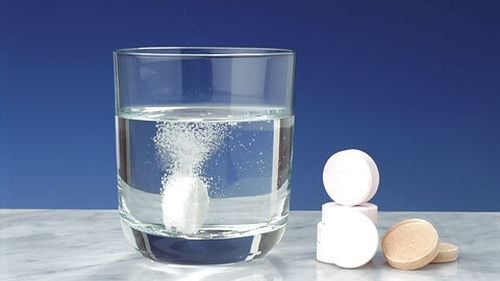
- For adults and children over 5 years old: Dissolve one tablet slowly in the mouth every 2 hours as needed.
- Not recommended for children under 5 years of age.
3. Adverse Effects
Like all medications, Anbesol also has several adverse reactions. Common reactions may include:
- Bluish discoloration of nails, lips, skin, or palms). This is a hallmark of methemoglobinemia, which requires immediate medical intervention.
- High fever.
- Tingling or burning sensation on the skin.
- Dark-colored urine.
- Shortness of breath, difficulty walking, dizziness, syncope, fever, headache, and loss of sensation in the hands and feet.
- Nausea or vomiting.
- Nasal irritation, sore throat.
- Severe pruritus, erythema, urticaria, or skin swelling.
- Rapid heart rate.
- Unusual bruising or bleeding.
- Excessive drowsiness, lethargy, or persistent fatigue.
- Exacerbation of oral pain, erythema, swelling, or irritation after application.
Patients experiencing any of these symptoms should discontinue use immediately and seek medical attention.
Other unlisted adverse effects may also occur. Therefore, patients should consult a healthcare provider if they have concerns.
4. Precautions of Anbesol
Any known hypersensitivity to benzocaine or any other component of Anbesol is a contraindication. Anbesol is also not indicated for children under 2 years of age, pregnant or breastfeeding women.
Patients should inform their physician of any underlying allergies or pre-existing disorders, because some may increase the risk of adverse reactions, including:
- Cardiovascular disorders, inherited metabolic disorders affecting red blood cells (for example: G6PD deficiency, hemoglobin M disease, NADH-methemoglobin reductase deficiency, pyruvate kinase deficiency), chronic pulmonary diseases (for example: asthma, chronic bronchitis, emphysema). These disorders may increase the risk of severe methemoglobinemia.
- Underlying infections or infections around the oral cavity.
- Large or deep mucosal ulcers at the application site.
- Smokers: Anbesol should be used with caution in individuals who smoke, as smoking may increase the risk of adverse effects.
Drug interactions may occur, thus patients should inform all current medications to their healthcare provider before using Anbesol. Nitrates, NSAIDs and other oxidative agents may increase the risk of side effects when used concomitantly with benzocaine.
Storage of Anbesol should be in a sealed container at room temperature, away from moisture and direct sunlight. Do not freeze the medication. Discard expired or damaged products. More importantly, Anbesol should be kept out of reach of children.
We hope this article has provided you with a clear understanding of Anbesol's uses and important precautions. Do not use the medication for prolonged periods without medical guidance, as it may pose potential adverse effects. While using Anbesol, carefully monitor for any unusual symptoms to ensure early detection and timely management of any complications.
Reference source: drugs.com
To arrange an appointment, please call HOTLINE or make your reservation directly HERE. You may also download the MyVinmec app to schedule appointments faster and manage your reservations more conveniently.