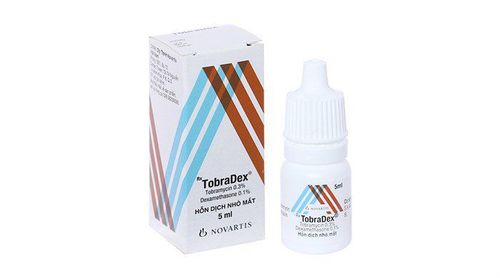
Dexacol is a prescription medication indicated by doctors to support the treatment of eye, nose, and throat conditions. To understand how to use Dexacol and its dosage, patients should refer to the following article.
1. What is Dexacol?
Dexacol is an ophthalmic solution used to treat eye inflammation, conjunctivitis, keratitis, and other related conditions. The active ingredients in Dexacol eye drops are chloramphenicol and dexamethasone. The medication is packaged in a box containing a 5ml bottle.
Storage instructions:
- Store in a dry, cool, and clean place at a temperature between 15–30°C.
- Keep out of reach of children.
- Protect from direct sunlight.
2. What Are the Uses of Dexacol?
Dexacol eye drops are used in the following cases:
- Patients with conjunctivitis or keratitis due to bacterial infections or complications.
- Patients with inflammatory eye conditions, such as iritis, blepharitis, dacryocystitis, and uveitis.
- Used to prevent bacterial infections before or after eye surgery or procedures.
3. Dosage and Administration of Dexacol
To maximize the effectiveness of Dexacol eye drops, patients should strictly follow the correct usage guidelines.
3.1. How to Use Dexacol
- For ophthalmic use only – do not ingest.
- The usual treatment duration is approximately 10 days.
3.2. Dosage of Dexacol
- Instill 1–2 drops in the affected eye(s) multiple times a day.
Note: The recommended dosage is for reference only. The actual dosage may vary depending on individual conditions, health status, and severity of the disease. Patients must follow the doctor's or pharmacist's instructions for proper use.
4. Managing Overdose or Missed Doses of Dexacol
The effectiveness of Dexacol depends on whether the patient regularly follows the prescribed dosage.
4.1. In Case of Overdose
To date, no significant overdose symptoms have been reported with Dexacol eye drops.
If an overdose occurs, rinse the eyes with saline solution and consult a doctor if necessary.
4.2. In Case of a Missed Dose
- Instill the missed dose as soon as remembered.
- If the missed dose is close to the next scheduled dose, skip the missed dose and continue with the regular dosing schedule.
- Do not double the dose, as this increases the risk of side effects.
5. Side Effects of Dexacol
Apart from its therapeutic effects, Dexacol may cause adverse reactions in some patients.
Common Side Effects:
- Skin reactions: Rash
- Gastrointestinal issues: Diarrhea, nausea, or vomiting
Less Common Side Effects:
- Blood-related issues: Anemia, granulocytopenia (low white blood cells), thrombocytopenia (low platelets), reticulocytopenia (low immature red blood cells) (reversible).
- Skin reactions: Urticaria (hives).
- Other reactions: Hypersensitivity to the drug components.
Rare Side Effects:
Systemic reactions: Headache or migraine.
Severe blood disorders: Aplastic anemia (non-regenerative anemia), agranulocytosis (severe white blood cell reduction), pancytopenia (deficiency of all blood cells).
Neurological complications: Confusion, ophthalmoplegia (eye muscle paralysis), optic neuritis, or peripheral polyneuropathy.
Warning: Severe blood-related side effects, such as irreversible bone marrow suppression and aplastic anemia, may develop months after stopping Dexacol.
- Adults taking doses over 25g may experience anemia, thrombocytopenia, or granulocytopenia.
- If any side effects occur, discontinue Dexacol immediately and consult a doctor or pharmacist.
6. Precautions When Using Dexacol
The effectiveness of Dexacol depends on proper adherence to the following precautions:
6.1. Contraindications
- Allergy to any components of Dexacol.
- Bone marrow suppression disorders (e.g., aplastic anemia).
- Newborns (Dexacol is not approved for infants).
- Patients with viral eye infections, ocular tuberculosis, or fungal eye infections.
6.2. Cautions When Using Dexacol
- Do not combine Dexacol with other eye drops containing sulfonamides or antibiotics.
- Do not use Dexacol alongside bone marrow-suppressing drugs.
- Stop Dexacol immediately if any symptoms of peripheral polyneuropathy or optic neuritis occur.
- Discontinue Dexacol if there is excessive bacterial or fungal overgrowth.
- Long-term use of Dexacol requires medical supervision.
There are no recorded reports of Dexacol affecting driving, pregnancy, or breastfeeding women.
This article provides a comprehensive guide on Dexacol’s uses and precautions in treating eye conditions. For optimal therapeutic effects, patients should strictly adhere to the doctor's or pharmacist's instructions when using Dexacol.
To arrange an appointment, please call HOTLINE or make your reservation directly HERE. You may also download the MyVinmec app to schedule appointments faster and manage your reservations more conveniently.