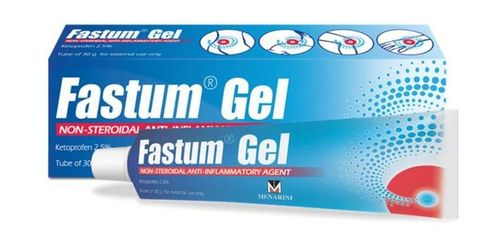
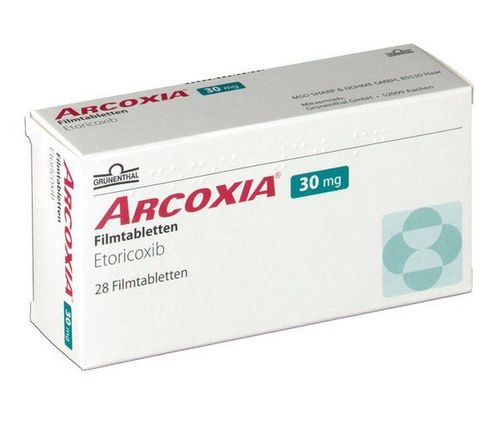
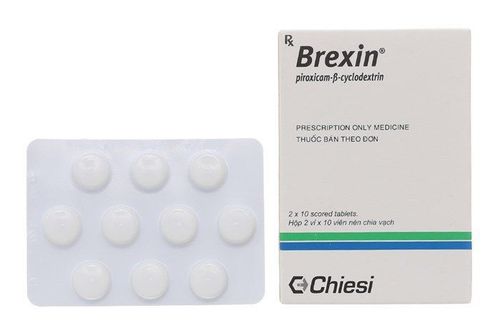
Diclofenac 75mg is used for pain relief and anti-inflammatory effects in various musculoskeletal conditions. Patients using the medication may experience side effects such as allergies, fatigue, or deteriorating health. To ensure safety, it is advisable to consult a doctor before use and avoid self-medication without a prescription.
1. Uses of Diclofenac 75 mg
Diclofenac belongs to the class of nonsteroidal anti-inflammatory drugs (NSAIDs) for pain relief and anti-inflammation. It is prescribed for patients with musculoskeletal pain, including:
- Chronic arthritis
- Juvenile rheumatoid arthritis
- Osteoarthritis
- Sprains and strains
- Spondylitis
- Swelling and inflammation after traumatic injuries
Apart from musculoskeletal pain, Diclofenac may also be recommended for other conditions such as dental pain, postoperative pain, and pain following childbirth. The effectiveness of Diclofenac varies with each pain condition.
The above uses of Diclofenac 75mg are for reference only. Consult a doctor or pharmacist for more information on other uses of Diclofenac 75mg.
2. Dosage of Diclofenac
Prescription dosages are not fixed and should be guided by a doctor to ensure safety and effectiveness.
Diclofenac is available in various forms, including tablets, topical gels, and injectable solutions, each with different dosages for ease of use:
- Tablets: Available in 25mg, 50mg, 75mg, and 100mg.
- Injectable solution: Available in 2ml and 3ml, equivalent to 75mg oral dose.
- Topical gels: Diclofenac constitutes 1.16 - 2.32% in 100g tubes.
Recommended dosages for adults based on the condition:
- Osteoarthritis: 50mg per dose, taken 2 - 3 times daily. For 100mg tablets, take once daily.
- Ankylosing spondylitis: 25mg, taken 4 times daily. Some patients may be advised to take a dose before bed. Maximum 125mg/day.
- Primary dysmenorrhea: 50mg, taken 3 times daily. Initial dose may be 100mg but do not exceed 150mg/day.
- Rheumatoid arthritis: 50mg, taken 3 - 4 times daily, or 75mg taken twice daily. Maximum 225mg/day. If the initial dose is 100mg, take once daily.
- Migraine: 50mg in solution form, mixed with 30 - 60ml water. Drink immediately after mixing.
Dosage for children:
- Children require special consideration for any medication, especially prescription drugs like Diclofenac. The maximum dose for children should not exceed 200mg/day. The daily dose should be divided into 2 - 4 administrations, calculated at 2 - 3mg/kg body weight.
3. Warnings When Using Diclofenac
When prescribed, doctors typically advise patients to drink a full glass of water and remain seated for about 10 minutes after taking the medication. Patients with gastric conditions should drink milk or have a light snack before taking the medication. Taking Diclofenac after meals may affect its efficacy, but for patients with gastric issues, it ensures safety.
Diclofenac in capsule or tablet form should be taken whole. Crushing or splitting the medication may lead to the loss of some of the medication or alter its chemical composition, resulting in side effects. For patients with arthritis, prolonged use for 2 weeks is necessary to ensure the medication's full effect.
In cases of overdose, patients may exhibit certain symptoms, which help doctors adjust the dosage accordingly. Overdose symptoms include:
- Nausea
- Abdominal pain
- Blood in stool or abnormal stool
- Vomiting blood
- Headache
- Drowsiness
- Difficulty breathing
- Tinnitus
- Memory impairment
- Reduced cognitive function
If a dose is missed, take it as soon as remembered and adjust the timing of the subsequent dose to ensure proper intervals between doses. If the next dose is due soon, skip the missed dose and continue with the next scheduled dose. Combining missed doses with the next dose can lead to an overdose and increase the risk of side effects.
Before prescribing Diclofenac, inform your doctor if you have a history of nasal mucosal swelling, porphyrin metabolism disorders, heart failure, peripheral edema, liver or kidney disease. Pregnant and breastfeeding women should avoid using Diclofenac unless prescribed by a doctor. Inform your dentist if you are using Diclofenac before undergoing dental surgery to consider alternative options.
4. Side Effects of Diclofenac
Clinical studies show that nearly all patients prescribed Diclofenac 75mg experience gastrointestinal issues. Any adverse gastrointestinal symptoms should be checked and diagnosed. Symptoms such as rash, difficulty breathing, or throat swelling may indicate an allergy to the medication.
Some cases require discontinuation of Diclofenac to avoid severe side effects:
- Chest pain leading to difficulty breathing or speech impairment
- Abnormal stool color or presence of blood
- Coughing or vomiting blood
- Water retention causing swelling or weight gain
- Chills
- Light sensitivity
- Fever
- Gastric discomfort
- Dizziness
- Rash or itching
- Visual impairment
- Tinnitus
These side effects can be more severe, and the listed symptoms are just a few clinical findings combined with patient conditions. Therefore, if you feel unwell without any of the mentioned reactions, still get checked to promptly detect and treat any issues.
5. Interactions When Using Diclofenac
Drug interactions with Diclofenac 75mg can lead to dangerous side effects. It's essential to inform your healthcare provider of all medications you are currently taking. Specifically, the following types of drugs should be avoided in combination with Diclofenac:
- Anti-inflammatory drugs such as Aspirin
- Antibiotics
- Anticoagulants
- Cardiovascular medications
- Cholesterol-lowering drugs
- Anticonvulsants
- Psychiatric medications
- Diuretics
Food generally has minimal interactions with the medication. However, smoking, consuming carbonated beverages, and alcohol can cause interactions that pose health risks.
This article has provided information on what Diclofenac 75mg is, its usage, and precautions. While Diclofenac is effective for pain relief, its side effects and drug interactions can be complex. It's advisable to consult a healthcare professional for further information to make an informed decision before using the medication.
To arrange an appointment, please call HOTLINE or make your reservation directly HERE. You may also download the MyVinmec app to schedule appointments faster and manage your reservations more conveniently.