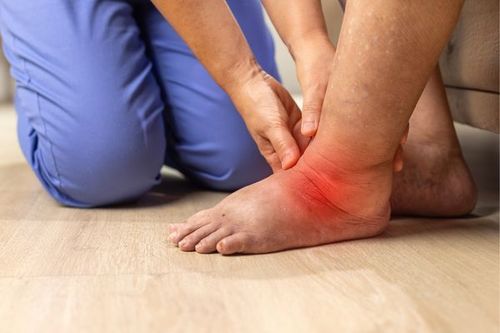

Muscle strain relief methods are essential knowledge for those who regularly engage in sports activities to apply when muscle fibers are stretched beyond normal limits. Muscle strains commonly occur in areas such as the legs, arms, and shoulders, causing pain and affecting daily life.
This article is written under the professional guidance of MSc, MD. Nguyen Thi Thanh Binh - Rehabilitation Physician - Department of General Surgery - Vinmec International General Hospital Da Nang.
1. Signs and Symptoms of Muscle Strain
Muscle strain is not only an issue for athletes but also commonly occurs in daily life. If untreated, muscle strains can lead to severe complications such as tendon rupture or muscle tears.
All body parts are at risk of muscle strain, but it most frequently affects the legs, arms, shoulders, neck, and lower back.
Typical symptoms include:
- Reduced muscle strength compared to normal.
- Bruising, swelling, and pain at the strained area.
- Difficulty moving the affected muscle group in mild cases.
- Severe pain and loss of function in severe cases.
2. How to Relieve Muscle Strain and What to Avoid
2.1 Recommended Actions to Relieve Muscle Strain After Exercise
- Rest is essential when muscles are strained. Stop physical activity immediately to allow the body to recover and limit movement of the injured muscles for several days.
- To reduce swelling, apply cold compresses using a cloth or ice pack (with a thin barrier to prevent direct contact) on the strained area for 10-15 minutes each time. Ensure the skin returns to normal temperature before reapplying, with intervals of about 1 hour, continued for 1-3 days.
- After swelling decreases, wrap the injured area with an elastic compression bandage to protect and prevent further damage. Avoid wrapping too tightly to not impede blood circulation.
- After 1-3 days of cold compresses, switch to warm compresses to promote blood flow to the area.
- Keep the strained muscle elevated above heart level.
- Once pain and swelling reduce, gently massage and stretch the affected muscles.
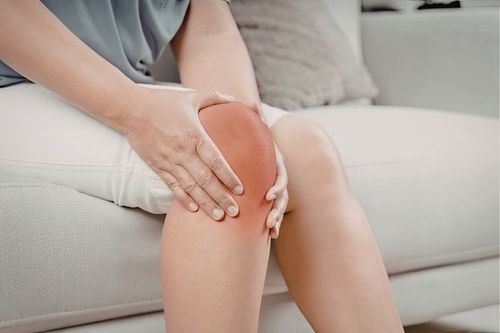
Most mild muscle strains recover fully within 2-3 days. After this period, gradually resume light exercise to help the body adapt.
However, if severe muscle strain does not improve after initial care and pain persists beyond 2 weeks, seek medical attention.
2.2 Actions to Avoid When Experiencing Muscle Strain
To effectively relieve muscle strain after exercise, avoid:
Applying heat, oils, or alcohol to massage the injured area, as these can reduce ligament elasticity, cause stiffness, weaken muscles, and increase the risk of reinjury.
Overexertion or excessive exercise intensity without proper rest, as strains often result from falls, impacts, or overtraining.
3. Preventing Muscle Strain During Exercise
To prevent muscle strain while training, follow these guidelines:
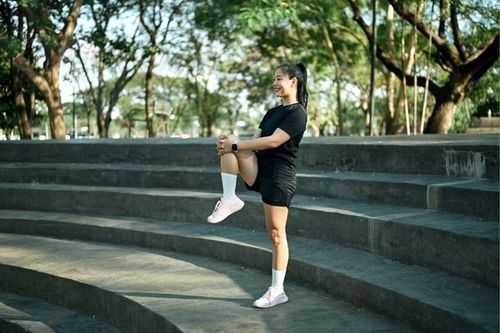
- Warm up thoroughly before exercising: This safely stretches muscles and increases blood flow, preparing muscles for activity and reducing strain risk.
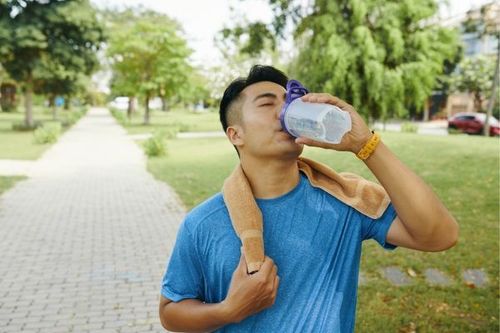
- Stay hydrated: Exercise causes fluid loss; drinking enough water regulates body temperature, lubricates joints, and supports nutrient transport. Dehydration can cause fatigue, muscle pain, strain, dizziness, and other symptoms.
- Allow adequate rest: Take at least 48 hours between workouts targeting the same muscle group to allow recovery and prevent injury.
- Follow proper technique: Training under professional guidance ensures correct form, reducing strain and joint problems.
- Perform stretching exercises after workouts to improve flexibility and enhance blood circulation back to the heart, aiding muscle recovery.
- Avoid overtraining: Gradually increase exercise intensity to allow muscles to adapt and reduce injury risk.
4. When to See a Doctor for Muscle Strain
Seek medical advice if you experience:
- Muscle pain lasting more than one week.
- Increasing pain during exercise.
- Swelling, warmth, or redness at the injury site.
- Difficulty breathing or dizziness.
Although muscle strain is common during sports, regular exercisers should know how to relieve and prevent it to avoid complications.
To arrange an appointment, please call HOTLINE or make your reservation directly HERE. You may also download the MyVinmec app to schedule appointments faster and manage your reservations more conveniently.