The article was professionally consulted with Master, Doctor Doan Ngoc Quynh Tram - Department of Pediatrics - Neonatology - Vinmec Nha Trang International General Hospital.
In most cases, you don't need to worry if your breast milk smells bad or if it turns sour. Breast milk changes in taste and appearance depending on diet, medication, and storage. Regardless of the taste, breast milk is always the perfect food for your baby.
1. The smell and taste of breast milk are different for each person
When a baby is born, he or she can recognize and be comforted by the unique smell and taste of breast milk. This is because the amniotic fluid that nourishes the baby during pregnancy also has a similar taste to breast milk. Scientists have even discovered that a newborn's pain can be relieved when exposed to the smell of mother's milk. For newborns, mother's milk is sweet, nutritious and unique.
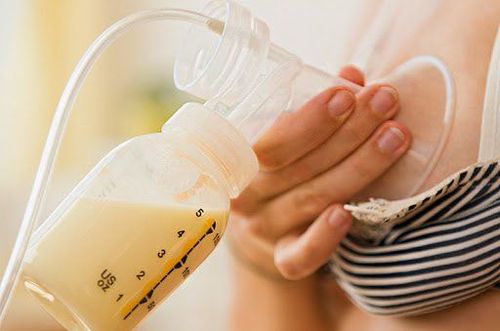
The taste of your milk will depend on your body, not like any other mother and will change based on many factors. However, many people still wonder what good breast milk is? According to experts, normal breast milk will be milky white or slightly yellow, with a characteristic aroma. Depending on each stage, the color of breast milk changes as follows:
- Colostrum: This is the milk that appears at the end of pregnancy and the first days after the baby is born. Colostrum contains a lot of beta-carotene, which gives breast milk its light yellow and orange color.
Transitional milk: Appears next after colostrum, when breast milk is secreted in more quantity and gradually turns white. - Mature milk: Appears 2 weeks after giving birth. At first, the milk is light green or turns clear white. After a few feedings, the breast milk begins to darken. In the final stage, mature milk will be white or opaque yellow.
Thus, the color of breast milk will depend on different stages, the taste will also change based on the body and many other factors.
2. Things that can affect the smell, taste and appearance of breast milk
2.1. Food and medicine
Milk can change the taste of different foods, depending on your meals. For example, strong spices (pepper, chili, garlic) can easily change the taste of breast milk, causing a similar strong smell. Meanwhile, canned and processed foods have a very high sodium content, making breast milk taste salty. Bananas, cereals and fruits are not only nutritious, help with milk production, but also make milk more delicious.
According to a study, when starting to enter the weaning stage, breastfed babies tend to like more foods and flavors than formula-fed babies. In addition, some medicines can also affect the smell and taste of breast milk.
2.2. Storage techniques
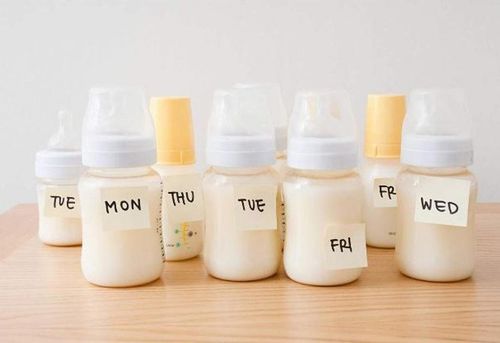
How breast milk is stored can affect the smell, taste and appearance. You may notice that when you leave your breast milk at room temperature or in the refrigerator, it starts to separate into layers. This does not mean that the milk has gone bad, it simply means that the cream separates from the water and floats to the top. Simply swirl the container gently to mix it and you are ready to feed your baby.
2.3. Freezing habits
Freezing and thawing breast milk can have a big impact on the taste. Some mothers find that after thawing, their breast milk has an unpleasant smell, such as a soapy smell or even sour breast milk, but this is normal.

3. How to fix smelly breast milk
Breast milk contains lipase - an enzyme with many benefits. Specifically, this enzyme helps break down the fat in breast milk so that the nutrients are dissolved in fat and fatty acids, thereby protecting the baby from minor illnesses.
Before freezing, the longer the milk is kept at room temperature or even in the refrigerator, the more lipase activity it has. Milk with high lipase content may have a soapy smell and taste, but it is not harmful to the baby. Most babies do not mind it, but if your baby starts to refuse breast milk (either for the first time or after he develops a taste preference), you can prevent breast milk from turning sour and fix smelly breast milk by doing the following:
Check before freezing: Before freezing a large amount of breast milk, you can check for changes in smell and taste due to lipase. Collect and freeze 1-2 small bags or containers of breast milk for at least 5 days and then evaluate the smell to see if your baby will drink it.
Eliminate lipase-induced changes in milk during freezing: If during the test freeze, your milk changes smell or taste and your baby refuses to drink, you can heat the fresh milk before freezing. Heating the milk after it has been frozen will not fix the smell and/or taste problem.
SEE ALSO: How long does breast milk last in the freezer?
Here's how to heat milk:
- Heat the milk in a saucepan until small bubbles form around the sides of the pan.
- Be careful not to boil it, just bring it to about 180°F or 82°C.
- Turn off the heat and let the milk cool before freezing.
Heating the fresh milk will prevent the enzymes from breaking down the fats, preventing unpleasant soapy smells and tastes. However, this method will reduce some of the beneficial components in breast milk, so it is best to feed your baby fresh breast milk whenever possible.
To arrange an appointment, please call HOTLINE or make your reservation directly HERE. You may also download the MyVinmec app to schedule appointments faster and manage your reservations more conveniently.