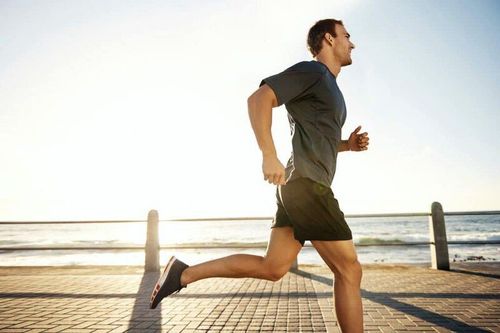
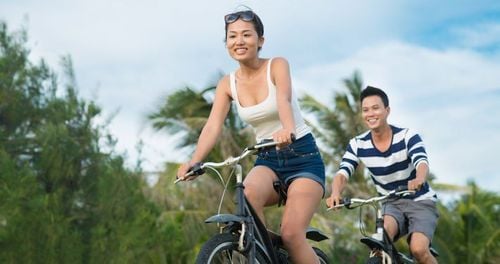
Nowadays, each exercise or sport requires different types of shoes. If someone plays a specific sport more than 2 days per week, they should choose a suitable pair of shoes for that sport to protect themselves from injury.
1. Different Types of Sports Shoes
1.1 Running Shoes
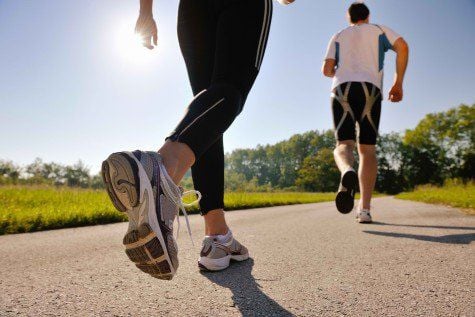
When you're ready to start running, you'll need shoes with thick cushioning to absorb the impact when your foot strikes the ground. Running shoes are designed to propel the movement forward while also protecting the front and heel of the foot. A good pair of running shoes will help prevent the risk of stress fractures, tendonitis, or other issues.
1.2 Minimalist Shoes
If you want to run barefoot but with some support, minimalist shoes like the "five-toed" style are an ideal choice. These shoes are lightweight, flexible, and do not have thick cushioning. It is still unclear whether these shoes are better or worse at preventing injury. One study found that pain and injuries were more common in runners wearing minimalist shoes. Heavier individuals are at higher risk for injury.
1.3 Walking Shoes
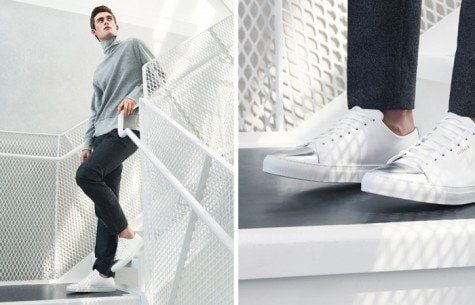
For those who enjoy walking, the right sports shoes should be lightweight. These shoes also need shock absorption features in the heel and foot to reduce pain and muscle strain. Shoes with a slightly rounded sole will help transition weight more smoothly from the heel to the toes. Walking shoes also have stiffer fronts to allow the toes to roll, rather than bending like in running shoes.
1.4 Tennis Shoes
When playing tennis, players make quick side-to-side movements across the court. To do this, they need shoes that provide support both inside and outside of the foot. The shoes also need flexibility in the sole to allow fast forward motion. When playing on soft courts, players should choose shoes with softer soles. On hard courts, shoes with more traction are recommended.
1.5 Cross-training Shoes
These shoes are a good choice if a player enjoys a variety of sports. Thus, they can opt for shoes designed with flexible soles in the front for running, as well as support on both sides of the foot for tennis or aerobic exercises.
1.6 Trail Running Shoes
For those who enjoy trail running, shoes that can handle mud, dirt, water, and rocks are essential. These shoes have larger tread patterns than traditional running shoes. They also offer additional support in the heel and sides to keep the runner safe when running on uneven surfaces.

1.7 Basketball Shoes
This type of shoe has a thick and firm sole, providing better stability when running up and down the court. The high-top design supports the ankle during quick direction changes or when jumping and landing, preventing injury.
1.8 Soccer Shoes
On the soccer field, players should wear shoes with studs, spikes, or cleats on the sole, as these help with grip on the grass. Soccer shoes have no sharp points, so there is no resistance when kicking the ball. They are designed to fit snugly, giving players the feeling of direct contact with the ball when kicking.
1.9 Other Types of Shoes
- Racquetball Shoes: Players need to move quickly, change directions, and perform a lot of stopping movements on the court. Racquetball shoes have high tops to support the ankle, and the sole is typically molded around the outer edge for better grip during forward movement.
- Baseball and Softball Shoes: These shoes are longer and narrower than other types of sports shoes, with the toe potentially made of metal instead of molded plastic.
- Golf Shoes: These shoes help players walk more safely. The sole is designed to secure the foot when turning, reducing the risk of slipping while moving from one place to another or entering and exiting a sand trap.
- Hiking Shoes: For those planning to hike long distances, hiking shoes or boots will help secure the foot better to the ground, preventing falls. The choice should depend on the hiking plan, with options ranging from light shoes to medium or heavy boots.
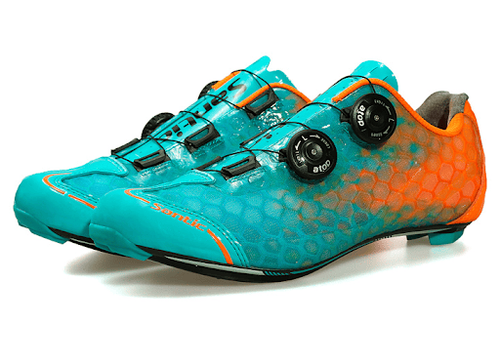
- Cycling Shoes: Cyclists should choose shoes suited to their cycling style. Mountain and recreational cycling shoes have a flexible and slightly recessed sole, suitable for both cycling and walking. Competitive cycling shoes have a hard sole with external cleats, allowing more energy to be transferred to the pedals.
2. How to Choose the Right Sports Shoes
Choosing the right sports shoes will ensure comfort while wearing them and provide the best training results. In contrast, choosing the wrong shoes can lead to discomfort or sports injuries during use. Here are some tips to help you choose the best sports shoes:
- Understand Your Feet: Each person’s feet differ in size, thickness, and shape. First, determine the shape of your feet to choose the right shoes. Criteria to assess include foot shape (normal, arched, flat), foot length, and foot width.
- Choose Shoes Based on the Sport: Different sports require specific types of shoes to suit the competitive environment. Detailed analysis of this issue has already been covered in the earlier part of this article.
- Avoid Multi-purpose Shoes: Some shoe brands offer multi-purpose shoes for various sports. However, multi-purpose shoes often do not meet all the necessary criteria for every sport. For example, walking shoes often have a stiff sole, while running shoes are lightweight and flexible. Therefore, if you play two sports, you should consider having two pairs of shoes.
- The Thumb Rule: The space from the tip of the shoe to the toes should be roughly the width or depth of your thumb (equivalent to 0.5 - 2cm). This gap provides comfort for your foot during use.
- Try Shoes Directly: Always try shoes on in person; do not choose sports shoes online. Trying them on directly will help you assess how they feel on your feet. You can also try multiple sizes to find the best fit.
- Wear Socks When Trying Shoes: If you intend to wear socks during sports, bring the socks with you when choosing shoes. This helps you determine the right size for real-life use.
- Choose Shoes in the Evening: After a day of activity, your feet will have expanded to their maximum size. This phenomenon also happens during training. Therefore, you should buy sports shoes in the evening to ensure the shoes fit correctly.
- Pay Attention to the Sole Thickness: The thickness of the shoe sole affects its stability during use. Some people tend to twist or roll their ankles if they wear shoes with too high a sole. The thickness of the sole should also depend on the person’s body weight. Heavier individuals should prioritize shoes with thicker soles to protect the joints, while lighter individuals can choose thinner soles as they don't need to distribute excess weight.
- Consider the Weight of the Shoes: Sports shoes are usually lightweight, but some shoes are designed to be ultra-light for competitive purposes, especially for experienced athletes. Choose shoes with the appropriate weight for your needs
- Consider the Height of the Shoes: This factor is more about aesthetics than comfort. Generally, taller individuals should opt for shoes with a moderate sole and a wider base, while shorter individuals should choose shoes with a higher, more compact sole to enhance their appearance.
When choosing sports shoes, consider important criteria such as the sport type, foot size, and comfort to make the best purchase decision, ensuring optimal training results.
To arrange an appointment, please call HOTLINE or make your reservation directly HERE. You may also download the MyVinmec app to schedule appointments faster and manage your reservations more conveniently.