Gotu kola is a common vegetable in our daily lives. It grows wild in many places and is widely cultivated by local people. This plant is not only a nutritious food but also has numerous medicinal properties. Therefore, it has long been used as a herbal remedy for various health conditions.
1. What is gotu kola?
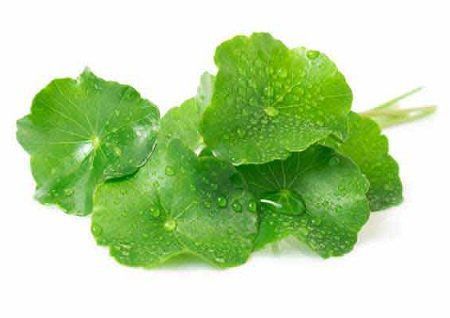
Gotu kola (Centella asiatica), also known as Asiatic pennywort or Indian pennywort, thrives in moist, shaded areas such as valleys, canal banks, and loose, fertile soil in tropical regions. Its morphological characteristics are as follows:
• Roots: Gotu kola has creamy-white roots covered with fine hairs. The root system consists of fibrous roots at the base and adventitious roots growing from stem nodes.
• Stem: The stem is smooth, slender, creeping, and green or greenish-red, with roots growing at the nodes.
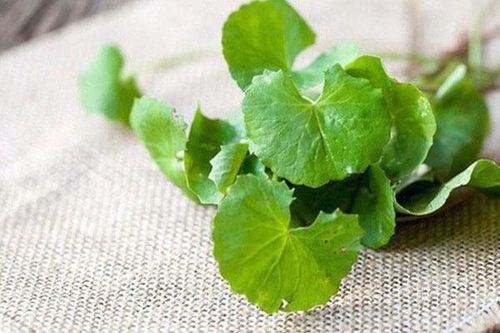
• Leaves: The leaves grow from petioles that are approximately 5–20 cm long. They are green, kidney-shaped, with long petioles, a rounded apex, and a smooth texture. The veins form a palmate network pattern.
• Flowers: Gotu kola flowers are mainly white or pale red, growing in small, round clusters close to the ground.
• Fruits: The fruit has a dense reticulated pattern. It ripens in about three months, and the entire plant, including the roots, is harvested manually.
2. What Are the Health Benefits of Gotu Kola?
Gotu kola is a highly beneficial vegetable often used as a clean, healthy food. It can be consumed in various ways, such as raw, boiled, stir-fried, cooked in soups, or made into juice.
In Traditional Medicine, gotu kola is considered a medicinal herb with numerous therapeutic effects. It is commonly used to treat infections caused by bacteria, viruses, or parasites, including:
• Urinary tract infections (UTIs)
• Shingles
• Leprosy, cholera, and dysentery
• Syphilis
• Common cold, flu, and H1N1 (swine flu)
• Tuberculosis and schistosomiasis
Gotu kola is also known to help manage fatigue, anxiety, depression, mental disorders, Alzheimer's disease, and memory impairment.
Additionally, it is used for wound healing, injuries, and circulation problems such as blood clots in the legs and varicose veins.
In folk medicine, gotu kola is traditionally used to treat heatstroke, tonsillitis, pleurisy, hepatitis, jaundice, systemic lupus erythematosus, stomach pain, diarrhea, indigestion, gastric ulcers, epilepsy, asthma, and diabetes.
In Indian medicine (Ayurveda), gotu kola is regarded as a nutritive tonic and diuretic.
Some studies suggest that gotu kola may help heal gastrointestinal ulcers and promote internal and external wound healing. It is sometimes applied topically to the skin to aid in scar healing, including stretch marks from pregnancy.
3. How to Consume Gotu Kola Safely? What Is the Recommended Dosage?
To maximize the health benefits of gotu kola, consider the following guidelines:
• Daily intake: Limit to one cup of gotu kola juice per day (approximately 40g). For circulatory issues like varicose veins, a dosage of 60–180mg of gotu kola extract per day may be recommended.
• Duration: Avoid using gotu kola for more than six consecutive weeks unless prescribed by a doctor.
• Contraindications: People with a history of liver disease, skin conditions, or cancer should avoid consuming gotu kola.
• Personalized dosage: The appropriate dosage varies depending on age, health status, and other individual factors. Consult a qualified physician or herbalist for the most suitable dosage.
4. Traditional Remedies Using Gotu Kola
• Cooling the body and treating heat rash, itching, and boils: Use 30–100g of fresh gotu kola, crush (or blend) to extract the juice, and drink daily. Can be combined with purslane and shiso leaves.
• Jaundice due to damp-heat: Boil 30–40g of gotu kola with 30g of rock sugar and drink.
• Hematuria (blood in urine): Prepare a handful of motherwort and gotu kola, wash, crush, and squeeze for juice to drink.
• Measles: Use 30–60g of gotu kola, boil, and drink. Can be combined with Ruellia tuberosa.
• Summer diarrhea (caused by heatstroke): Boil 30g of gotu kola and drink with rice water.
• Dengue fever: Use 30–100g of fresh gotu kola, boil, and drink. Can be combined with false daisy (Eclipta prostrata).
• Constipation: Crush 30g of gotu kola, drink the juice, and apply the remaining pulp to the navel.
• Breast abscess (early stage): Boil gotu kola and betel nut husk, drink the decoction. Adding a little liquor enhances effectiveness.
• Menstrual pain and lower back pain: Dry gotu kola, grind into powder, and take 2 small teaspoons daily (about 30g).
Notes: Avoid excessive consumption of gotu kola if you have a cold constitution, diarrhea caused by cold, or digestive issues.
Gotu kola is a widely available and highly beneficial herb. With its medicinal properties, it can help improve both health and beauty, contributing to a healthier lifestyle.
To arrange an appointment, please call HOTLINE or make your reservation directly HERE. You may also download the MyVinmec app to schedule appointments faster and manage your reservations more conveniently.