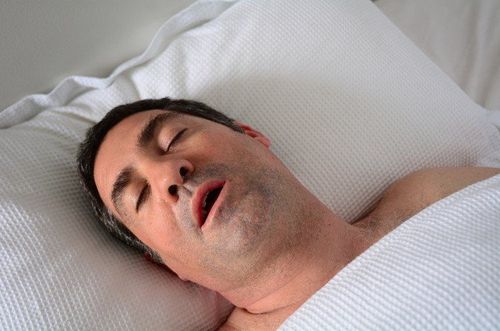
1. What is Sleepwalking?
Sleepwalking, also known as somnambulism, is a sleep disorder. Sleepwalkers may walk while asleep or perform routine activities such as eating, dressing, or even driving.
Sleepwalking episodes typically occur one to two hours after falling asleep and last about 30 minutes. Sleepwalkers often have a blank facial expression with open eyes, which can appear unsettling or alarming to others. They are difficult to wake, and upon awakening, they may have no recollection of their actions during the episode.
2. Causes of Sleepwalking
Experts estimate that sleepwalking affects approximately 1-15% of the population. It is most common in children, particularly between the ages of 3 and 7, and is often associated with bedwetting. The condition usually improves as the nervous system matures, allowing children to sleep through the night. According to the Sleep Foundation, about 29% of children aged 2-13 experience sleepwalking, while 4% of adults are affected.
Sleepwalking may persist into adulthood or emerge later in life. The causes vary from person to person. Common triggers include physical and emotional stress, a noisy sleeping environment, traveling across multiple time zones, and especially sleep deprivation. Other contributing factors include sleep apnea and prescription sleeping pills.
Sleepwalking is part of a broader category of parasomnias, which include confusional arousals, night terrors, and awakening with intense screaming. These disorders can occur in both children and adults, but they are more common in children.

3. 5 Steps to Prevent Sleepwalking
Most sleepwalking cases are harmless, but in some instances, sleepwalking can pose risks to both the individual and those around them. If you or a loved one experiences sleepwalking, consider these preventive measures:
- Start by focusing on your sleep habits and establishing a consistent bedtime and wake-up schedule.
- Ensure a "power-down" hour before bed. Find ways to relax during the day, such as taking a warm bath or reading a light book.
- Create a safe environment, especially for children who sleepwalk. Remove sharp objects, lock doors and windows, and install safety gates on staircases.
- Door alarms can often be helpful.
- Consult a doctor about other options if the issue persists.
4. Treatment Options for Sleepwalking
If sleepwalking is caused by an underlying medical condition, addressing the root issue may resolve the problem. Examples include:
- Gastroesophageal reflux disease (GERD)
- Obstructive sleep apnea
- Seizures
- Periodic limb movement disorder or restless legs syndrome
Medication may be necessary if the sleepwalker is at risk of injury, if sleepwalking causes significant household disruptions, or if excessive daytime sleepiness occurs despite other treatment attempts.
Doctors may prescribe medications such as:
- Estazolam
- Clonazepam (Klonopin)
- Trazodone (Oleptro)
In many cases, medication can be discontinued after a few weeks without a relapse of sleepwalking. Occasionally, sleepwalking may temporarily worsen after stopping medication

5. Other Treatment Options for Sleepwalking
Relaxation techniques, mental imagery, and scheduled awakenings are preferred long-term treatment options for individuals with sleepwalking disorders. Scheduled awakenings involve waking the individual approximately 15-20 minutes before their usual sleepwalking episode and keeping them awake for the duration of the time the episode typically occurs.
Relaxation techniques and mental imagery are most effective when performed with the assistance of an experienced behavioral therapist or hypnotherapist.
Follow up with a sleep disorder specialist if symptoms persist or if there is a risk of injury to yourself or others.
Sleepwalking can lead to injuries, so ensuring safety is a priority. This includes managing abnormal sleep movements and removing sharp objects that could cause harm. If the condition worsens, seeking medical attention at a healthcare facility is advisable. Additionally, improving sleep quality can enhance overall health.
Follow the Vinmec International Hospital website for more health, nutrition, and beauty information to protect your health and that of your loved ones.
To arrange an appointment, please call HOTLINE or make your reservation directly HERE. You may also download the MyVinmec app to schedule appointments faster and manage your reservations more conveniently.