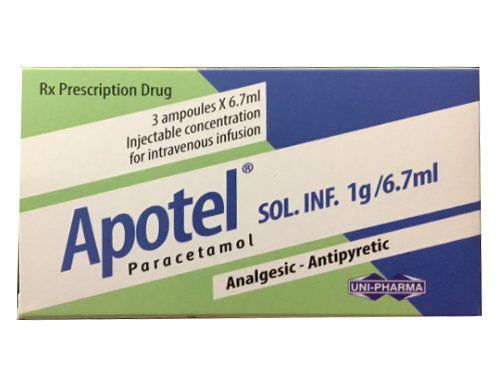
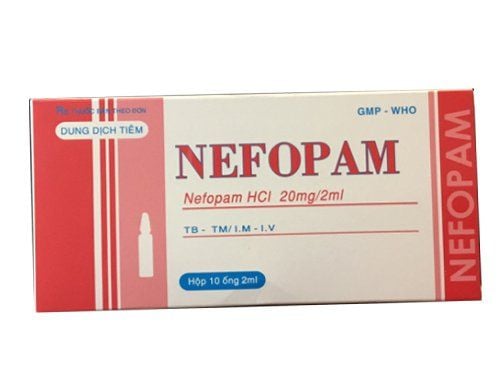
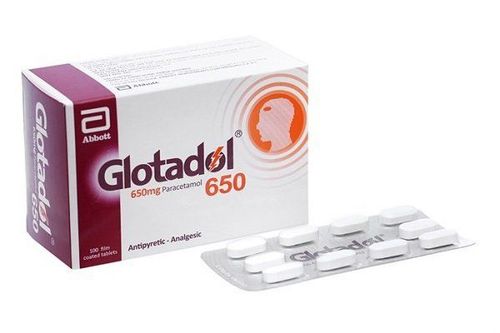
Glotadol, also known as paracetamol, belongs to the group of non-narcotic analgesics and antipyretics. The medication is used to reduce fever and alleviate mild to moderate pain such as headaches, muscle pain, aches caused by colds or flu, back pain, toothaches,…
1. What is the effect of Glotadol?
Glotadol, also known as paracetamol, is classified as a non-narcotic pain reliever and fever reducer. The medication is used for lowering fever and relieving mild to moderate pain, including headaches, muscle aches, discomfort from colds or flu, back pain, toothaches, menstrual cramps, and mild arthritis pain.
2. How to use Glotadol?
Glotadol is available in film-coated tablet form with a strength of 500mg or in capsule form at 500mg. Follow the instructions on the product packaging or as directed by your doctor. For adults and children over 12 years old: Take 500-1000mg per dose, with a 4-6 hour interval between doses, and do not exceed 4000mg per day. For children aged 6-12 years: Take 250-500mg per dose, every 4-6 hours, with a maximum daily dose of 2000mg.
Use Glotadol exactly as directed by your doctor. Do not exceed, reduce, or extend the dosage beyond the prescribed duration. You may take Glotadol with or without food, or as instructed by your doctor. Take this medication regularly to maximize its benefits, and discontinue use if any new abnormal symptoms appear or if the condition does not improve after seven days. Do not misuse the drug for an extended period, as this will not enhance its effectiveness but may increase the risk of unwanted side effects.
3. Side effects of Glotadol
Possible side effects of Glotadol include:
- Skin rash
- Redness
- Hives
Before prescribing Glotadol, doctors always weigh its benefits and effectiveness against the potential risks of side effects. However, some patients may still experience adverse reactions while taking Glotadol. Therefore, if any unusual symptoms occur, especially signs of a severe allergic reaction such as severe dizziness, difficulty breathing, rash, swelling, or itching of the face, throat, or tongue, the patient must immediately inform their doctor or nurse for prompt medical intervention.
4. Important precautions when using Glotadol
Some key precautions include:
- Inform your doctor if you have any allergies to Glotadol or any other medications. Glotadol may contain inactive ingredients which can cause allergic reactions or other serious problems.
- List all medications you are currently taking, including prescription, over-the-counter, herbal, and dietary supplements.
- Glotadol is contraindicated for individuals allergic to any of its components, those with severe progressive hepatitis, severe liver failure, or G6PD deficiency.
- Additionally, caution should be exercised when using Glotadol in the following cases: patients taking other medications containing paracetamol, using the drug for pain relief beyond 10 days in adults or 5 days in children unless directed by a doctor, those with liver or kidney failure, a history of anemia, alcohol consumption while taking the medication, and pregnant women.
- Severe skin reactions such as Stevens-Johnson syndrome, Lyell’s syndrome, toxic epidermal necrolysis, and acute generalized exanthematous pustulosis may also occur.
If you forget to take a dose of Glotadol, take it as soon as possible. However, if it is close to the time for your next scheduled dose, skip the missed dose and continue with your regular dosing schedule. Do not take more than the prescribed amount. An overdose of Glotadol or accidental ingestion can cause severe symptoms such as nausea, vomiting, abdominal pain, difficulty breathing, or fainting.

5. Drug interactions
Glotadol may interact with other medications, reducing its effectiveness or increasing the risk of side effects. Inform your doctor about all medications you are taking, including over-the-counter drugs, vitamins, prescription medications, and herbal products. Do not start, stop, or change dosages of any medications without your doctor's approval.
6. How to store Glotadol?
Store Glotadol at room temperature, away from light and moisture. Do not store Glotadol in damp areas, in the freezer, or near heat and open flames. Different medications may have different storage requirements, so carefully read the storage instructions on the Glotadol packaging or consult your pharmacist. Keep Glotadol out of reach of children and pets. If the medication has expired or is damaged and no longer usable, dispose of it properly. Do not discard Glotadol into the environment, such as down the drain or toilet, unless specifically instructed to do so. Consult waste disposal authorities or your pharmacist for guidance on safely disposing of Glotadol to help protect the environment.
In summary, Glotadol, also known as paracetamol, belongs to the class of non-narcotic pain relievers and antipyretics. The medication is used to reduce fever and alleviate mild to moderate pain, such as headaches, muscle pain, discomfort from colds or flu, back pain, and toothaches. However, Glotadol may cause certain side effects and drug interactions. Therefore, inform your doctor about any medications you are currently taking to minimize the risk of adverse effects and enhance the effectiveness of your treatment.
To arrange an appointment, please call HOTLINE or make your reservation directly HERE. You may also download the MyVinmec app to schedule appointments faster and manage your reservations more conveniently.