
Article reviewed by Dr. Dong Xuan Ha - Department of General Medicine, Vinmec Ha Long International Hospital.
Experts and doctors advise against ignoring pain or tension in the epigastric region. It may be a warning sign of underlying health conditions.
1. What conditions cause epigastric pain?
The epigastric region refers to the upper abdominal area, extending from the navel to just below the sternum. Epigastric pain is common, but in some cases, it may indicate underlying conditions such as esophagitis, acid reflux, or gastric ulcers.
Therefore, when experiencing discomfort in the epigastric area, one should not ignore it but instead consult a doctor to determine the cause. Identifying the underlying issue allows for appropriate and effective treatment.
2. Causes of epigastric pain
There are several potential causes of epigastric pain, including:
- Indigestion: A common cause of epigastric discomfort, characterized by bloating, belching, and nausea after eating. The stomach contains acid to aid digestion, but sometimes this acid irritates the lining of the digestive tract, leading to discomfort.
- Acid reflux (GERD): Symptoms include indigestion, persistent coughing, a bitter taste in the mouth, and the sensation of a lump in the throat or chest. Acid reflux occurs when stomach acid or food flows back into the esophagus, causing pain in the chest, throat, and epigastric region.
- Esophagitis: A common cause of epigastric pain due to inflammation of the esophageal lining. This condition can result from stomach acid reflux, allergies, infections, or chronic irritation from medication.
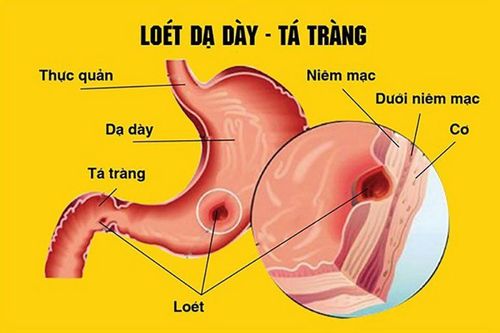
- Gastric ulcers and gastritis: These conditions can cause epigastric pain due to inflammation or ulceration of the stomach lining.
- Unhealthy eating habits: Overeating or irregular eating patterns can put excessive strain on the stomach, leading to discomfort in the epigastric region. Eating in moderation and maintaining a regular meal schedule can help prevent this issue.
- Gallbladder disorders: Gallbladder dysfunction can also cause epigastric pain. Common symptoms include jaundice, persistent diarrhea, nausea, and vomiting.
If you experience persistent or unusual epigastric pain, it is important to seek medical attention to identify the cause and receive timely treatment.
To arrange an appointment, please call HOTLINE or make your reservation directly HERE. You may also download the MyVinmec app to schedule appointments faster and manage your reservations more conveniently.