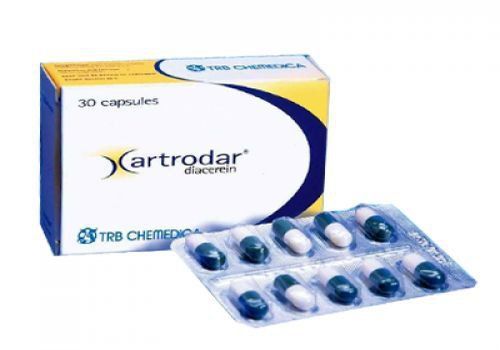
The question of which medications to take for knee effusion - and how to take them - should be addressed under the guidance of qualified healthcare professionals. It is important to understand that the medications listed in this article are not curative and cannot completely eliminate the condition. Knee pain may still recur even after treatment. Overuse of pain relievers can also lead to drug tolerance and undesirable side effects.
This article was written under the professional guidance of orthopedic and sports medicine specialists from Vinmec International General Hospital.
1. Overview of Knee Effusion
Knee effusion occurs when the synovial fluid within the joint is produced in excess, causing it to accumulate in surrounding tissues. This leads to swelling, pain, and reduced mobility in the affected knee.
Several factors may contribute to knee effusion. The condition commonly affects the following groups:
- Older adults (age 55 and above), especially those with age-related knee osteoarthritis.
- Individuals who frequently engage in sports, particularly those involving sudden joint movements such as football, volleyball, or basketball, are at higher risk of knee injury.
- People who are overweight or obese, as excess body weight increases the risk of joint degeneration - a leading cause of knee effusion.
- Individuals with underlying joint conditions such as osteoarthritis, rheumatoid arthritis, gout, pseudogout, or joint infections.

2. Frequently Asked Questions
1. What medication should I take for knee effusion, and should I buy medicine before visiting Vinmec?
The medication used for knee effusion depends on the underlying cause and the severity of symptoms. In some cases, a doctor may prescribe pain relievers or anti-inflammatory medications. Antibiotics are only considered when there is a confirmed or suspected infection. Patients should avoid self-medicating and instead seek an Orthopedic consultation at Vinmec to determine the cause before starting treatment.
2. Does knee effusion require antibiotics, and when should I visit Vinmec?
Not all cases of knee effusion require antibiotics. Knee effusion can result from injuries, osteoarthritis, gout, inflammatory arthritis, or various other causes. Antibiotics are appropriate only when an infection is diagnosed by a physician. If you experience unusual knee swelling or pain, especially when infection is suspected, you should visit Vinmec or an appropriate healthcare facility rather than taking antibiotics on your own.
3. Can pain relievers cure knee effusion?
Pain relievers may help manage discomfort in some cases, but they do not necessarily address the underlying cause of fluid accumulation in the joint. If swelling or pain persists or recurs, patients should have their knee evaluated at Vinmec to identify possible causes such as injury, osteoarthritis, inflammatory arthritis, or other joint conditions.
4. Is joint aspiration necessary for knee effusion at Vinmec?
Not every patient with knee effusion requires joint aspiration. In certain situations, a doctor may remove joint fluid to relieve pressure or to perform laboratory tests to identify causes such as infection, inflammatory conditions, or bleeding after an injury. Whether joint aspiration at Vinmec is necessary can only be determined by a physician after a thorough examination.
5. Which specialty should I visit at Vinmec if knee effusion is caused by a sports injury?
Patients experiencing knee swelling, pain, or effusion after football, basketball, running, or other sports-related injuries can seek care at the Vinmec Center for Orthopedics & Sports Medicine. Specialists will evaluate structures such as the ligaments, menisci, and bones to determine the cause of the knee effusion and recommend an appropriate treatment plan.
To arrange an appointment, please call HOTLINE or make your reservation directly HERE. You may also download the MyVinmec app to schedule appointments faster and manage your reservations more conveniently.