This article is professionally consulted by an Obstetrician-Gynecologist.
The 32-week fetus is in a critical stage of accelerated growth, during which the mother's body undergoes significant psychological and physiological changes. Below are the recommendations from obstetric specialists to facilitate the remaining weeks of pregnancy after 32 weeks.
1. Important information for mothers about the 32-week-old fetus
1.1. What is the fetus like at 32 weeks?
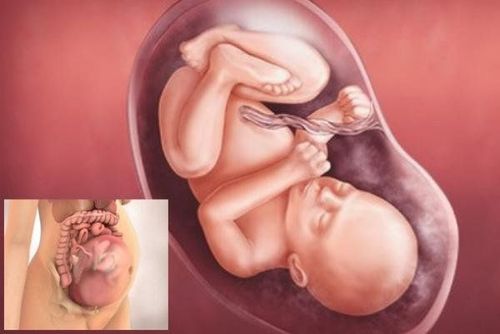
At this stage, the fetus has nearly fully developed (except for the lungs, which will mature around 34 weeks) as it would at birth; all organs and body systems are becoming more refined. The arms, legs, and the entire body of the fetus continue to grow in proportion to the head circumference.
The average weight at 32 weeks is approximately 1.755 kg, and the length from the crown to the heel is about 43 cm. At this time, due to the confined space, the fetus may not move as vigorously as before, but the mother will still perceive the fetal movements. The fetus at this stage can open and close its eyes, squint, blink, and practice eye accommodation. If a strong light penetrates through the mother's abdomen, the fetus can instinctively avoid it by closing its eyes, and the pupil will constrict to limit the amount of light entering.
1.2. Changes in the mother's body at week 32
The fetus occupies increasingly more space in the mother’s abdomen, resulting in a larger belly, thus making everyday activities, work, and mobility more challenging for the pregnant woman.
At this stage, the expectant mother may exhibit a waddling gait and find it difficult to choose a comfortable sitting or sleeping position. It is common for her to experience tingling sensations in the fingers, wrists, hands, legs, or other areas of the body. The nipples tend to become larger and darker.
The increasing size of the fetus exerts pressure on the mother's stomach, resulting in compression of the diaphragm and lungs, which may lead to sensations of shortness of breath.
At this time, there is an increase in vaginal discharge, necessitating good gynecological hygiene. If there are any unusual odors or itching, the mother should consult a physician to rule out vaginal infections, as such infections pose a high risk for premature labor. Due to the increased nutritional and developmental demands of the fetus, the mother may experience anemia and nutritional deficiencies.
1.3. Psychological and emotional changes in the expectant mother

At 32 weeks, the timeframe is pressing, with less than two months remaining until the baby arrives. If this is the mother's first child, she is likely to feel both excitement and anxiety.
First-time motherhood will necessitate adjustments in the mother's life. Thus, it is crucial to learn how to care for the new life about to emerge. Alternatively, if there are older siblings, the mother should consider ways to help the new member integrate harmoniously with them, as well as with other family members.
The infant requires the mother to be keenly aware and sensitive to their basic needs. Consequently, the mother should allocate time for learning, practice, and observation of the infant's cues.
Do not allow worries to overshadow the experience. It is essential to strive for relaxation, engage in positive thinking, and prepare meticulously to welcome and care for the newborn.
1.4. Important considerations for mothers at 32 weeks gestation
At this stage, the fetus is quite developed. If the baby were to be born early, they would likely have the ability to reflexively control bodily functions. However, preterm birth poses significant health and nutritional risks for the baby. Therefore, it is imperative for the mother to remain vigilant for certain signs and symptoms indicative of preterm labor:
- Abdominal pain or sensations of abdominal tightening occurring in contractions.
- Abnormal vaginal discharge: bleeding or the presence of fluid, which could be amniotic fluid.
Notably, if the mother experiences more than six contractions within one hour, each lasting about 30 to 45 seconds, she should contact a physician or go to the hospital as soon as possible, especially if accompanied by vaginal bleeding and/or abdominal pain, as the risk of premature birth is substantially higher.
Fetal movements should be monitored, with fewer than ten movements noted within a two-hour period warranting further evaluation.
Additionally, if the mother experiences severe headaches, fever, fatigue, shortness of breath, chest pain, or fainting, these abnormal symptoms prompt immediate medical consultation.
2. Nutrition for the Fetus at 32 Weeks
In addition to the knowledge mothers need regarding the development and changes occurring in themselves and the fetus at 32 weeks of gestation, nutrition is also a crucial aspect that mothers should be attentive to in order to provide essential nutrients for fetal development and to help protect the mother's health in preparation for a successful delivery.
At this stage, the pregnant individual is experiencing rapid weight gain, while the fetus is also undergoing significant growth. Therefore, dietary intake and food choices play an important role during this period.
Below are the types of foods and nutritional components that pregnant individuals should incorporate during this time.
- Protein is one of the three essential macronutrients required for the fetus to gain approximately 200 grams each week. The mother can supplement protein through foods such as fish, eggs, avocado, dairy, legumes, and nuts. At 32 weeks of gestation, the required daily protein intake for the mother is between 75 to 100 grams.
- Fats: The mother should also include beneficial fatty acids, such as Omega-3, found in fatty fish like salmon and mackerel, to promote rapid and intelligent brain development in the fetus.
- Fiber: To prevent constipation, pregnant individuals in the later weeks of this gestational period need to provide adequate dietary fiber from fruits and vegetables. Fiber is abundant in brown rice, broccoli, legumes, whole grain bread, corn, and celery.
- Vitamin C: This nutrient is indispensable in the mother's diet at week 32. The mother should aim to consume approximately 75 mg of Vitamin C daily from fruits such as oranges, lemons, and grapefruits.
- Iron: Maternal iron deficiency can lead to preterm birth and low birth weight. Furthermore, this nutrient aids the mother in producing additional blood to nourish the fetus, making iron supplementation throughout pregnancy, particularly at 32 weeks, essential. Some iron-rich foods that the pregnant individual should include in their diet for week 32 are eggs, spinach, heart, liver, and lean meat.
- Calcium: Adequate calcium intake facilitates fetal bone development and helps prevent future musculoskeletal disorders. Calcium is found in seafood, yogurt, cheese, and milk. Pregnant individuals at 32 weeks should maintain a comprehensive dietary regimen and consult with healthcare professionals to ensure they provide all necessary nutrients for both maternal and fetal optimal development.
- Adequate hydration (2 to 3 liters per day) is also important. Increase fluid intake during the day and limit it in the evening to avoid disrupting sleep.
3. General Check-up Timeline for the Fetus at 32 Weeks

At 32 weeks of gestation, a significant milestone for prenatal check-ups occurs. The mother requires comprehensive examinations.
- Routine examinations include the measurement of weight, blood pressure, heart rate, and assessment for signs of edema, as well as uterine height measurement.
- Ultrasound: A final fetal anomaly screening ultrasound, if not performed at 28 weeks.
- Blood tests: Assess blood glucose levels, electrolytes, liver enzymes, etc.
- Urinalysis and examination of 10 parameters to comprehensively evaluate the health status of the pregnant individual and the fetus; based on this, healthcare professionals will provide recommendations and guidance to the mother in the later stages of pregnancy.
The period from week 32 onwards is a critical and sensitive phase of pregnancy wherein even minor impacts can potentially result in preterm labor. If a neonate is not cared for according to the established protocols for prematurity, several serious complications may arise that affect the nervous, respiratory, and gastrointestinal systems, posing life-threatening risks. Therefore, during this phase, regular prenatal check-ups and necessary blood and urine tests are essential to adequately assess the health of both the mother and fetus.
To safeguard the overall health of both mother and child and to enhance the mother's peace of mind during labor, Vinmec offers comprehensive maternity services. With this package, mothers will receive periodic prenatal check-ups and routine tests to monitor health. Fetal heart rate and uterine contraction monitor procedures are conducted between 37 to 40 weeks, the expected delivery timeframe. In the event of preterm birth, the neonate will receive care and nurturing in accordance with international protocols. Preterm births are efficiently managed through the cooperation of multiple specialized departments: obstetrics, anesthesiology, and particularly the neonatal and pediatric units. This organizational structure minimizes risk and enhances the efficacy of treatment for health issues that preterm infants may face.

Read more:
- Early Pregnancy Symptoms 4 Days After Ovulation
- Is a fetal heart rate of 180 beats per minute at 9 weeks of pregnancy normal or abnormal?
- Why did my 6-week pregnancy stop developing, and why did vaginal bleeding result in fetal-like tissue?
To arrange an appointment, please call HOTLINE or make your reservation directly HERE. You may also download the MyVinmec app to schedule appointments faster and manage your reservations more conveniently.