When the baby turns 10 months old, many parents feel that their child's weight is not progressing positively and often worry about slow weight gain. So, what are the causes of slow weight gain? Is it due to the child's diet, development, or the lack of certain nutrients?
1. Reasons for slow weight gain in a 10-month-old baby
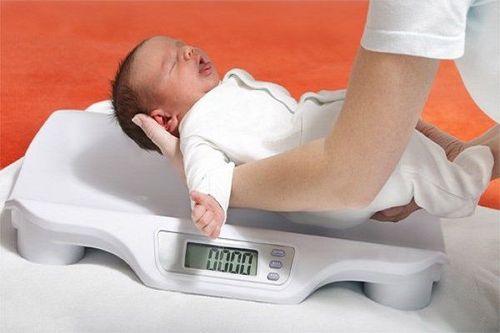
"What to supplement for children with poor appetite and slow weight gain?" is a concern for many parents, especially when their child reaches 10 months old. At this age, most baby girls weigh between 7.2 - 9.6 kg and have an average height of 72 cm, while baby boys typically weigh around 8.2 - 10.3 kg and have a height of about 74 cm.
According to Hasbro Children's Hospital, USA, it is estimated that infants from 0 to 12 months old need 90 to 120 calories per kilogram of body weight, or approximately 41 to 55 calories per 450 grams of body weight per day.
A baby is considered to have slow weight gain when their weight is below the average range for their gender, as mentioned above. However, to accurately diagnose whether your child has failed to thrive, it is essential to take them to a pediatric healthcare facility for a thorough evaluation.
By the time your baby reaches 10 months of age, their milk intake typically decreases, averaging around 500 - 700 ml per day. At this stage, their daily nutritional needs include approximately 700 grams of carbohydrates, 30 grams of protein, 10 ml of cooking oil, and 30 grams of vegetables and fruits.
If an infant does not receive adequate nutrition, they are at higher risk of slow weight gain, or in more severe cases, rickets and malnutrition.
However, there are other potential cause of slow weight gain, including:
- Infections: Any illness, vomiting, or diarrhea can lead to temporary weight loss. Oral infections or even a urinary tract infection (UTI) can affect an infant’s ability to feed.
- Gastroesophageal reflux (GERD) or digestive issues: Persistent reflux can make feeding uncomfortable and reduce the baby's appetite.
- Medical conditions: Conditions such as cleft palate or tongue-tie can make breastfeeding or bottle-feeding more difficult.
- As the baby grows, they may struggle with weaning onto solid foods, leading to inadequate calorie intake for proper weight gain.
- Feeding preparation errors: Providing only the liquid portion of soups, not using fats or oils in meal preparation, or an imbalanced diet lacking essential nutrients can contribute to poor weight gain.
- Genetic predisposition to slow weight gain: In some cases, after ruling out all other factors, an infant may naturally gain weight at a slightly slower rate than average.
2. What to do if a 10-month baby is slow to gain weight?
Many mothers struggle to help their children gain weight appropriately. So, what should be supplemented when a child is slow to gain weight? The amount of food, along with high-calorie foods, plays an important role in the development of the baby. The food you provide for your baby should be rich in nutrients and high in calories to facilitate ideal weight gain and proper development. When a baby gains weight ideally, it indicates that they are adapting well to the outside environment.
Poor weight gain often results in fatigue, reduced cognitive development, and weakened immunity in infants and toddlers. Therefore, it is crucial for mothers to ensure that their baby is progressing through growth milestones and receiving high-calorie foods. Young children typically have a higher metabolism compared to adults, requiring a calorie-rich diet to meet the body's nutritional requirements. While breast milk provides all the essential nutrients needed for healthy growth in the first six months, it is equally important to introduce high-calorie foods once the weaning phase begins to complement breast milk.
Here are some high-calorie foods that can help a 10-month-old baby gain weight quickly:
- Butter (135 calories per tablespoon): Butter is a rich source of fats, vitamin A, and vitamin E. Adding butter or buttermilk to the foods you prepare for your child can help boost brain and body development.
- Banana (110 calories per medium banana): Enriched with vitamin B12, vitamin B6, iron, phosphorus, protein, and carbohydrates, bananas are a healthy food that provides plenty of calories per serving and is perfect for infants. It can be sliced, diced, or even mashed.

- Cheese (40 calories/10 grams): Cheese can be used as a topping to mix with other foods to enhance their taste and benefit the baby’s health. It is rich in protein, calcium, vitamin B2, vitamin B12, phosphorus, and magnesium.
- Eggs (78 calories per egg): Egg yolk can be introduced to babies from 8 months of age to avoid allergic reactions. Eggs are a source of energy, protein, fat, and minerals. Egg whites should be given to babies once they reach 1 year old.
- Potatoes (166 calories/1 cup boiled potatoes): Potatoes are rich in carbohydrates and are easily digestible for babies. They can be boiled, fried, mashed, and pureed in various ways. Mashed potatoes can be introduced to babies once they are 7 months old, after starting weaning. Sweet potatoes can also be used as a substitute, as one cup of sweet potato provides 114 calories, and babies often enjoy the flavor of sweet potatoes.
- Fatty Fish (20 - 140 calories/10 grams, depending on the type of fish chosen): Fish is considered a rich source of essential lipoproteins, omega-3 fatty acids, and protein. You can introduce pureed fish to babies from 8 months onward. Fish floss is easy for babies to pick up and eat. It can be mixed with other foods. Salmon, cod, and catfish are great fish choices for your baby.
- Nuts and Dried Fruits (Almonds 57 calories/10 grams; Cashews 55 calories/10 grams): Adding nuts to the diet of underweight babies can help them gain weight and support better brain development. You can introduce almonds and cashews to babies who are not allergic to nuts after 6 months of age. They can be ground into powder using a blender and added to the baby’s pureed food to enhance flavor and provide health benefits. For infants with nut allergies, it is best to wait until they are over 2 years old.
- Full-Fat Yogurt (80 calories/10 grams): Full-fat yogurt is a high-calorie food with probiotic properties that help improve digestion. It is also a source of protein and vitamin D.
- Cereals (250 calories/100 grams of mixed cereal): High-calorie foods such as rice, millet, and oatmeal are excellent sources of fiber, protein, and carbohydrates for babies. Rice is one of the least allergenic foods for babies. You can start with rice water when the baby is 6 months old and gradually move on to oatmeal porridge or millet porridge and pancakes. These provide a filling meal with plenty of energy for the baby.
- Chicken (17 calories/10 grams): These are protein-rich foods and high-calorie foods that can enhance the flavor of meals.
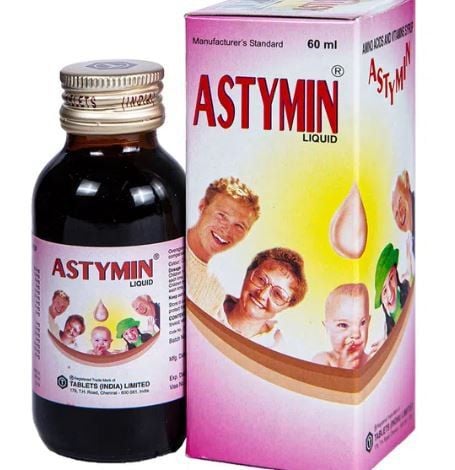
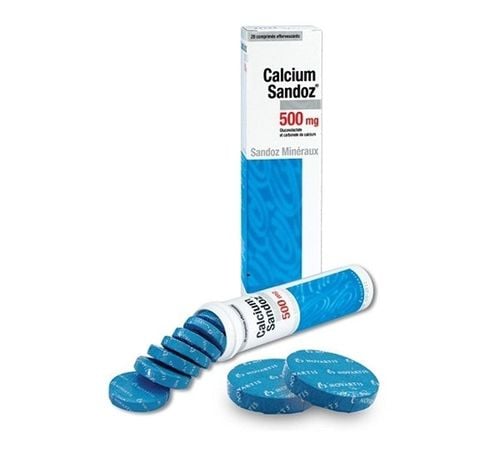
Additionally, babies need supplementary micronutrients: zinc, selenium, chromium, vitamins B1 and B6, ginger,..., to improve taste, enhance appetite, achieve proper height and weight, boost the immune system, strengthen resistance to common illnesses and reduce digestive problems.
Improving symptoms of slow weight gain in babies may take a long time, so parents are advised to remain calm and patient when supplementing nutrients for their babies, whether through diet or functional foods. Particularly when using supplements, it’s important to choose natural, easily absorbable sources, and avoid giving multiple types simultaneously or changing them frequently.
3. Recipes for 10-month-old babies with slow weight gain
The following are some nutritious recipes that parents can easily prepare to ensure their baby gets adequate nutrition and no longer worry about poor appetite or slow weight gain.
3.1. Sweet Potato and Egg Porridge
Ingredients:
- 1 bowl of plain rice porridge
- 20g sweet potato
- 1 egg
- Olive oil
Instructions:
- Wash, peel, and finely chop the sweet potato. Add it to the rice porridge and cook together.
- Once both the porridge and sweet potato are soft, add the egg yolk and stir well.
- Boil the porridge for 3–4 minutes, then turn off the heat.
- Pour the porridge into a bowl, add a teaspoon of olive oil, let it cool slightly, and serve.
3.2 Shrimp and Spinach Porridge
Ingredients:
- 1 bowl of plain rice porridge
- 30g shrimp
- 10g spinach leaves (only the leafy parts)
- Cooking oil
Instructions:
- Wash the shrimp, remove the shell, devein, and discard the head. Steam until fully cooked, then finely mash and saute with a small amount of cooking oil.
- Wash and finely chop the spinach leaves.
- Lightly sauté the shrimp and spinach together until cooked.
- Bring the rice porridge to a boil, then add the shrimp and spinach, stirring well.
- Once it comes to a boil, turn off the heat. Pour into a bowl, let it cool slightly, and serve.
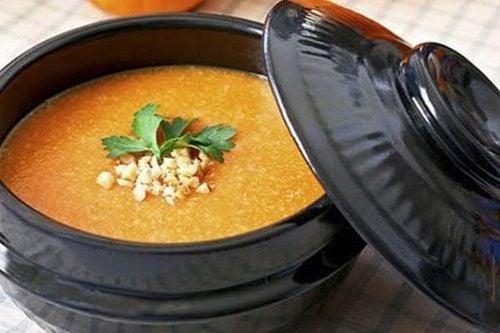
3.3. Oatmeal, Pumpkin, and Salmon Porridge
Ingredients:
- 40g oats
- 25g salmon
- 20g pumpkin
- 1 small carton of unsweetened fresh milk
Instructions:
- Wash the oats and soak them in water for 5–7 minutes to soften.
- Clean the salmon, remove the skin, and soak it in unsweetened fresh milk for 20 minutes to reduce the fishy smell.
- Steam the salmon with ginger, then remove the bones and finely mash the meat.
- Peel, wash, steam, and mash the pumpkin.
- Add the softened oats to a pot with a small amount of water and bring to a boil.
- Add the mashed salmon and pumpkin, cook for another 5 minutes, then turn off the heat.
- Pour into a bowl, let it cool slightly, and serve.
3.4. Pork and Sweet Leaf Porridge
Ingredients:
- 1 bowl of plain rice porridge
- 30g lean pork
- 30g sweet leaf (Sauropus androgynus)
- Cooking oil
Instructions:
- Wash the pork thoroughly and finely mince it.
- Wash the sweet leaf and puree it.
- Lightly sauté the minced pork, then add the rice porridge and stir well. Bring to a boil and continue cooking for 5 minutes until the pork is tender.
- Add the sweet leaf, stir well, and cook for another 2–3 minutes.
- Pour the porridge into a bowl, add a teaspoon of cooking oil, let it cool slightly, and serve.
For children to be healthy and develop well, a balanced and adequate diet is essential. If children do not receive proper and balanced nutrition, it can lead to nutrient deficiencies or excesses, which negatively affect their overall physical, mental, and motor development.
Children who do not eat properly are at risk of lacking essential micronutrients, which can lead to poor appetite, slow growth, and poor absorption,... If these signs are noticed, parents should supplement their child's diet with products containing lysine, essential micronutrients, and vitamins such as zinc, chromium, selenium, and B vitamins to meet the child's nutritional needs. These essential vitamins also support digestion, enhance nutrient absorption, and help improve poor appetite, making meals more enjoyable for the child.
Parents can learn more about:
Signs of zinc deficiency in children
Micronutrient deficiencies and slow weight gain in children
Hopefully, the information shared above helps in finding solutions to the issue of slow weight gain in children.
To arrange an appointment, please call HOTLINE or make your reservation directly HERE. You may also download the MyVinmec app to schedule appointments faster and manage your reservations more conveniently.