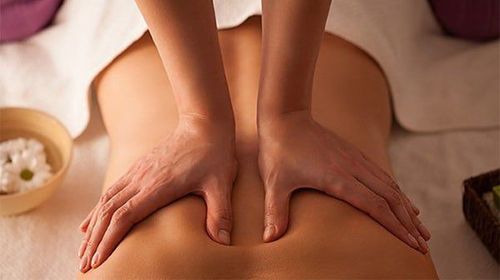
Breast massage is a tool that can be utilized for various purposes, ranging from breast cancer detection, alleviation of muscle pain, to improvement in breastfeeding processes. Even a mere 15 minutes of massage can yield numerous benefits. Self-administered breast massage is feasible, and associated risks are minimal, allowing individuals to engage in this practice regularly if desired. Below is additional information on the rationale for breast massage, methods of execution, and indications for consulting a physician.
1. Why Should Women Massage Their Breasts?
1.1. Lactating Women
An increasing body of research has demonstrated that breast massage in lactating women can provide substantial benefits.
For instance, in a study, a group of first-time nursing mothers underwent breast massage for 30 minutes, twice daily, over 10 days postpartum. Compared to the control group that did not receive breast massage, these mothers experienced less breast soreness.
Moreover, their infants exhibited higher breastfeeding rates, and the breast milk itself contained lower sodium levels.
A study from 2004 revealed that the quality of breast milk significantly improved when breast massage was performed in the first year following childbirth. The components in breast milk enhanced through breast massage for mothers included:
- Concentrated components.
- Fat content.
- Casein concentration.
- Total energy.
The most beneficial components were noted within the timeframe from the first day to 11 months postpartum. The only breast milk component that remained unchanged throughout the breastfeeding duration was lactose content.
Massage may also assist in improving milk secretion. An earlier study from 1994 hypothesized that the combination of breastfeeding and breast manipulation helps empty milk ducts and stimulates the breast to produce more milk.
Additionally, massage may help prevent and facilitate the treatment of issues such as breast engorgement, blocked milk ducts, or mastitis.
1.2. Early Detection of Breast Cancer
Self-breast examination and massage are crucial methods for detecting breast cancer at its earliest stages. According to research, approximately 25% of women discover their breast cancer through self-examination, while another 18% incidentally recognize the disease.
Early detection of cancer significantly enhances treatment outcomes. Therefore, cultivating a routine of breast massage is exceedingly beneficial.
1.3. Breast Massage to Prevent Sagging and Improve Aesthetic Appearance
Some individuals believe that breast massage may serve as a method to counteract sagging. The rationale posits that increased blood flow to breast tissue through massage helps prevent sagging. Many employ specific oils, such as olive oil, to enhance skin firmness and elasticity.
However, evidence to support this notion remains unverified. Nonetheless, a study found that stretch marks could be prevented through skin massage with oil.
In this study, pregnant women were instructed to apply almond oil to their bodies without massage, while others massaged their bodies using almond oil for 15 minutes each day.
Upon completion of the study, women who engaged in oil combined with massage exhibited fewer stretch marks. Nonetheless, almond oil alone did not confer substantial benefits.
1.4. Lymphatic System
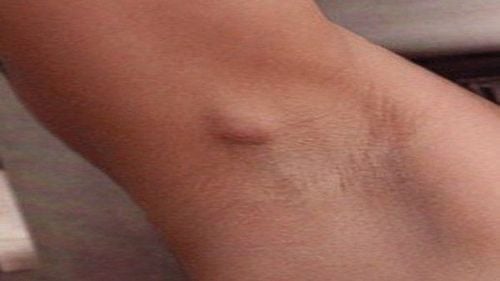
Breast tissue extends into the axillary region where numerous lymph nodes reside; thus, massaging this area may stimulate the lymphatic system.
The lymphatic system plays a crucial role in removing toxins from the body. Individuals who have undergone lymph node surgery may experience fluid accumulation, referred to as lymphedema. Breast massage is often referred to as manual lymphatic drainage.
Research indicates that more than 1 in 5 individuals with breast cancer develop lymphedema. Symptoms include swelling in the arm, breast, or chest. Typically, the causes of lymphedema are surgical interventions or radiation therapy. Standard treatment often involves compression bandaging to mitigate swelling.
A study in 2004 examined the effects of combining bandaging with massage for managing lymphedema related to breast cancer. Researchers discovered that the inclusion of massage yielded significantly better outcomes compared to mere bandaging.
Even in the absence of lymphedema, breast massage can assist the body in eliminating toxins through lymphatic drainage.
1.5. Myalgia
If you experience tightness or pain, chest massage may help alleviate tension in the pectoral muscles. This discomfort may arise from engaging in activities, exercises, or sports that strain the chest muscles.
The pectoral muscles are triangular in shape and located beneath the breasts. If you experience tension in the back, it may also be relieved by stretching the chest muscles.
Chest massage, in conjunction with back massage, may provide prolonged relaxation compared to solely massaging the back. In fact, if you only massage the back, the brain may continue to perceive muscle tension in the chest upon completion of the back massage.
Consequently, the brain may send signals of stiffness back to the back region to restore balance between the two anatomic areas.

2. Methodology for Chest Massage
Various massage techniques can be utilized depending on the desired benefits.
2.1. For Lactation
There is no strict right or wrong method for performing chest massage in lactating women, as it aids in milk production. Massage may be employed with or without manual pressure. Manual pressure involves using the hands to express milk instead of utilizing a pump or breastfeeding.
Follow these steps:
- Focus on one breast during each session. Position four fingers of one hand above the breast and four fingers of the other hand beneath it. Massage the breast in a circular motion. Warming your hands will optimize results.
- Shift attention to the other breast and continue massaging in a circular fashion. You may also grasp the breast with one hand and gently roll or knead it.
- Attempt to use the fingertips to tap and massage throughout the breast.
- If manual expression of milk is desired, place the index finger behind the base of the nipple. Bring your fingers together while applying gentle pressure on the breast, directing the milk towards the nipple to extract breast milk. Adjust your position as necessary. Compress rhythmically in synchrony with your heartbeat.
- Performing manual expression before and after pumping can help expel milk effectively.
2.2. For Cancer Detection
If you intend to examine the breasts for signs of cancer, it is crucial to remember that the breast extends beneath the axilla. Ensure you inspect the entire breast, including the areola, nipple, and the anatomical extension.
While conducting the examination, inform your partner to notify you of any lumps or swellings they may perceive.
Follow these steps:
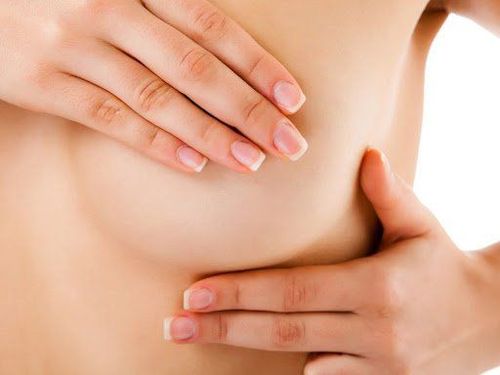
- Stand in front of a mirror and observe your entire chest. Look for any discrepancies in size, color changes, or shape variations. Position your hands alongside your body, subsequently placing them on your hips and overhead to view from different angles.
- While maintaining a gaze in the mirror, place one hand behind your head and the three fingers of the opposite hand on the breast. Move your fingers in small circular motions across the breast tissue, applying light, medium, and firm pressure as you proceed through all areas.
- Transition your fingers to the area beneath the axilla and continue creating small circles as you glide your fingers on your trajectory.
- Repeat the massage technique on the opposite breast.
- Conclude the massage by squeezing each nipple to discern if there is any discharge or pain. If either symptom is encountered, consult your healthcare provider.
2.3. To Mitigate Sagging and Enhance Aesthetic Contours
Again, limited formal research indicates that breast massage may alter breast shape or prevent sagging. Nevertheless, evidence suggests that breast massage using oils may help prevent stretch marks, particularly in pregnant women. Additional benefits may also be presented.
Researchers recommend initiating massage with almond oil early in pregnancy for 15 minutes daily. Only approximately 20% of women following this regimen experience stretch marks.
In the control group that did not adhere to this regimen, 41% of women exhibited stretch marks, thus indicating that this method reduces the incidence of stretch marks by approximately half.

2.4. For Lymphatic Drainage
Lymphatic drainage massage begins in the axilla area beneath the arm. This region is where lymph nodes can be palpated beneath the skin.
Continue the massage in a clockwise direction on the right breast and counterclockwise on the left breast. This direction corresponds to the natural pathway of the lymphatic system.
A healthcare provider may utilize both hands to apply gentle pressure, engaging in smooth strokes across the breast and under the arm. Following the completion of the circular motion, the healthcare provider may utilize both hands to stroke the breast inwardly multiple times.
You may also attempt this massage technique independently. You might even perceive lymph nodes draining upon palpation. If you have recently undergone surgery or have other concerns, it is advisable to allow this type of massage to trained professionals.
2.5. Regarding Muscle Strain
Breast massage and pectoral muscle massage are relatively similar but have some distinctions. Breast massage includes the nipple, while pectoral muscle massage does not.
When performing pectoral muscle treatment, the massage therapist can concentrate more on three areas where these muscles attach to the body. While self-massage can alleviate muscle tension, a professional massage therapist may provide a more effective technique for relieving muscle tightness.
If you feel uncomfortable having a stranger massage this area, such feelings are understandable. First, a professional should inform you if they intend to perform breast massage and obtain your consent. Breast massage is not a conventional component of professional massage therapy.
For individuals with medical conditions requiring assistance related to lymphatic damage, it is advisable to discuss with a physician for breast massage therapy.
3. Risks that May Occur
There are not many risks associated with breast massage. If you have a history of breast cancer or breast surgery, it is essential to exercise caution around any lumps, scars, or recently irradiated areas. In such cases, it is advisable to seek a licensed massage therapist who specializes in breast massage.
If you suspect you may have mastitis, it is crucial to consult a physician. While massage can be beneficial, antibiotic treatment may be necessary to resolve the infection.
Mastitis often occurs in the initial months postpartum. Additional symptoms may include fever, chills, and breast pain and swelling.
4. Conclusion
Breast massage can alleviate various conditions, ranging from clogged milk ducts to muscle pain; it may even be life-saving. Generally, self-breast massage is safe.
However, if you are undergoing treatment for specific medical conditions, it is prudent to consult a specialist for appropriate care. If you notice any new lumps or unusual changes in the breast, it is imperative to inform your physician as soon as possible to rule out breast cancer.
Please regularly visit Vinmec.com for more useful information updates.
To arrange an appointment, please call HOTLINE or make your reservation directly HERE. You may also download the MyVinmec app to schedule appointments faster and manage your reservations more conveniently.