1. What is Premenstrual syndrome (PMS)?
Menstruation is the process of bleeding from the vagina due to the shedding of the lining of the uterus when there is no pregnancy, occurring at the beginning of each cycle, usually every 28 days. Menstruation begins at puberty and continues until menopause. Menstruation is caused by normal changes in the levels of estrogen and progesterone, important hormones that regulate fertility in women.
Many women experience symptoms including cramps, bloating, breast tenderness, and mood swings around the middle of their menstrual period. This is premenstrual syndrome, a condition characterized by psychological and physical symptoms that develop sometime after ovulation and end when menstruation begins. Symptoms of premenstrual syndrome can include irritability, depression, crying, fatigue, bloating, acne, breast tenderness, and changes in appetite.

2. Similarities between premenstrual syndrome and pregnancy symptoms
For many women, early pregnancy symptoms can resemble the signs and symptoms of an impending period or premenstrual syndrome. Accordingly, the most common signs and symptoms that are similar between the two conditions include:
Headaches: Headaches can be a symptom of pregnancy, but many women also experience tension headaches or migraines before their period or when they have PMS.
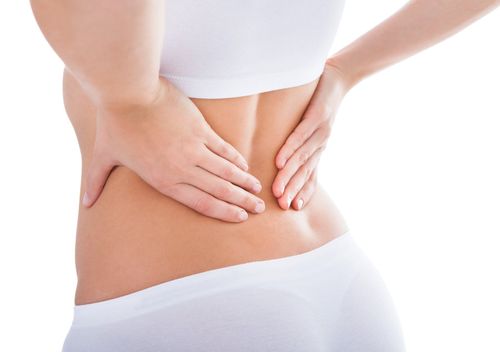
Backaches: This symptom can be a symptom of an approaching period, but it can also be a symptom of pregnancy.
Mood changes: Mood changes are common in both PMS and early pregnancy, including depression, anxiety, irritability, and mood swings.
Constipation: The hormone progesterone can lead to digestive disorders including constipation.
Because levels of this hormone increase during the second half of the menstrual cycle, constipation may occur in women with PMS or approaching their period. At the same time, hormonal changes in early pregnancy can also cause constipation.
Urinating more often: Women may urinate more often if they are pregnant or about to get their period.
Breast tenderness and pain: Breast tenderness, tenderness, swelling, or enlargement can occur in early pregnancy as well as before menstruation. Breasts may feel heavy, painful, or tender in both conditions.
3. Differences between PMS and pregnancy
Vaginal bleeding or spotting: Light bleeding (not enough to soak a pad or tampon) sometimes occurs around the time the embryo implants in the uterus in early pregnancy. This is called implantation bleeding, and is not the same as the heavy bleeding some women may experience at the beginning of their period.
Fatigue: Fatigue is common in women in early pregnancy, but it also occurs as a sign of PMS in many women. However, PMS fatigue usually goes away quickly after the period begins.
Food cravings or aversions: Many women experience food cravings or increased appetite before their period starts. Food cravings or aversions are also typical of pregnancy, although pregnancy cravings are often more specific and intense than PMS.
Nausea and vomiting: Nausea and vomiting are more typical of early pregnancy and are not common symptoms of PMS or an approaching period. Therefore, if a woman is pregnant, she is more likely to experience this symptom.
Cramping: Cramping and pain in the abdomen or pelvis occur in many women before or even during their period. These symptoms are often particularly bothersome for women with PMS. However, some women may also experience mild cramping in early pregnancy.

Read more:
- Early Pregnancy Symptoms 4 Days After Ovulation
- Is There a Risk of Pregnancy After Intercourse One Day Before Menstruation and Taking Emergency Contraception the Next Day?
To arrange an appointment, please call HOTLINE or make your reservation directly HERE. You may also download the MyVinmec app to schedule appointments faster and manage your reservations more conveniently.