As babies reach the age of 9 months, they become more active and excited to explore the world around them. At this stage, babies develop in every aspect, from motor skills, physical abilities, and language, to emotional and intellectual growth. They also become more flexible and start learning how to regulate their emotions. So, what should mothers pay attention to during this developmental stage of their baby? Read the following suggestions and apply them to further improve the care of your baby.
1. Development of a 9-Month-Old Baby
What can a 9-month-old baby do? At this age, babies can crawl, scoot, attempt to kneel, try to sit, and even take their first steps. This is the perfect time for parents to engage their babies in physical activities, such as playing with push toys or rocking horses. It’s also a great opportunity to stimulate the baby’s thinking and creativity by introducing toys with music or colorful pictures. Below are some physical and intellectual developments a 9-month-old baby may achieve.
1.1 Physical Development
- The baby can sit down and stand up on their own.
- They can crawl or scoot on the floor; some babies may have unique crawling styles, like crawling with just one leg.
- They can grab food with their hands and may be able to eat on their own.
- They can pick up their favorite toys or objects.
- They can wave, clap, or bang two objects together.
- They can point at things using their finger.
- They have the ability to play with simple stacking toys or stack objects on top of each other.
1.2 Language Development
- The baby may babble or imitate simple words like "mama" or "papa."
- They can imitate adult coughing sounds or make noises with their tongue.
- The baby may say a few simple words, but they may not be accurate. For example, if the baby disagrees with something, they might cry and say "no" while waving their hand.
1.3 Intellectual Development
- The baby can observe different colors well.
- They may develop a specific interest or preference and may like or dislike certain foods.
- The baby is curious and enjoys exploring the objects around them and how things work.
- The baby can remember the location of some objects in the house and may persist in looking for (or even cry for) an item that suddenly disappears.
- They can express emotions like happiness, worry, sadness, or separation anxiety.
- The baby will show joy when they see their mother or familiar people around them.
- The baby may also distinguish between strangers (e.g., when grandparents visit or a new babysitter) and may act cautious or fearful when interacting with them, which is a sign of stranger anxiety.
- When an adult waves to say hello or goodbye, the baby can imitate and wave back.

2. Care Routine for a 9-Month-Old Baby
At 9 months old, baby boys have an average height of 72.7 cm and weigh around 9.3 kg. Baby girls have an average height of 71.3 cm and weigh about 8.8 kg.
At this age, babies need about 750 to 900 calories per day. Half of that, around 400 to 500 calories, should come from breast milk, which is approximately 720 ml of breast milk per day. A 9-month-old baby still enjoys breastfeeding, so be sure to nurse whenever possible, or when the baby feels scared or starts crying.
One of the changes that occur when the baby reaches 9 months old is the order in which you offer food. Before, mothers would typically breastfeed or give formula first, then offer solid foods. However, at 9 months old, mothers can start offering solids first and then follow with breastfeeding.
By 9 months old, most babies sleep through the night and take two to three naps during the day, each lasting about one to two hours. Factors like illness, teething, and growth spurts may cause temporary sleep disturbances. Mothers should not be discouraged if the baby experiences some temporary sleep issues. Additionally, mothers should be consistent with the baby’s sleep routine by:
- Putting the baby to sleep in their own crib, bed, or mattress.
- Sticking to a regular bedtime schedule so the baby knows when it’s time to sleep.
- Not allowing the baby to fall asleep while breastfeeding or before they are full.
Starting bedtime with a relaxed atmosphere: feeding well, being clean, wearing loose and comfortable clothing, and keeping the room at a cool temperature. Gently patting or rubbing the baby's back in a rhythmic motion can help them fall asleep.

3. Health for a 9-Month-Old Baby
Mothers should refer to the vaccination schedule to know which vaccines the 9-month-old baby needs.
Mothers should regularly check the baby’s weight, height, and head circumference to monitor growth.
Discuss the baby’s diet, growth, and common issues at this stage, such as sleep patterns, weaning, teething, and fear of strangers, with the pediatrician and nutrition consultant.
4. Safety for a 9-Month-Old Baby
A 9-month-old baby is very curious, active, and eager to explore everything around them. Therefore, create a "safe home" for your baby:
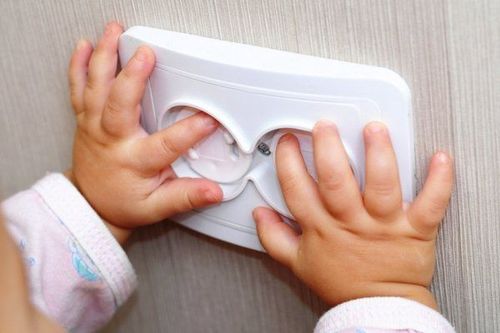
- Install safe electrical outlets, sockets, and plugs.
- Ensure doors, gates, and fences are sturdy and at a suitable height for the baby’s age.
- Windows should have secure bars and spacing that prevents the baby from crawling through.
- Store medications in a cabinet and out of the baby’s reach.
- Keep knives, scissors, and other sharp objects out of the baby’s reach.
- Ensure pets are kept safely and securely around the baby.
- Do not let the baby play with small toys or objects that could be swallowed.
By the time the baby reaches 9 months old, they are very active and eager to explore the world around them. Some babies may even be able to pull themselves up to stand and take their first steps. Therefore, parents need to be aware of developmental milestones and proper care to ensure the baby’s health and well-being.
If the baby shows any abnormal signs regarding their health, parents can take them to the Vinmec Healthcare System for timely examination and treatment.
Reference source: whattoexpect.com; Verywellfamily.com
To arrange an appointment, please call HOTLINE or make your reservation directly HERE. You may also download the MyVinmec app to schedule appointments faster and manage your reservations more conveniently.