
The article was professionally consulted by Dang Thi Ngoan, Master, Resident - Pediatrician - Neonatologist - Department of Pediatrics - Neonatology - Vinmec Ha Long International General Hospital.
Prickly heat is a very common disease in young children and newborns. Although it is a benign skin disease, if not treated properly, prickly heat can cause negative consequences to the child's health. Whether prickly in children heat goes away on its own and what are the ways to prevent prickly heat in children?
1. Symptoms of prickly heat
Hot, sweltering weather causes children to sweat a lot, but the sweat glands in children are not fully developed; therefore, the sweat cannot escape completely and get trapped. On the other hand, the excretory ducts easily blocked by dust or dead skin causes the skin to develop many small, pinkish bumps. This often occurs if the weather is hot or sometimes the child is wearing too many clothes. Children with high fever or children in incubators can also have blocked sweat glands. Physical activities, high intensity activities, wearing clothes made of some types of nylon fabric causing a stuffy feeling or some resident skin microbiota secrete a type of oil that can also block the sweat glands.
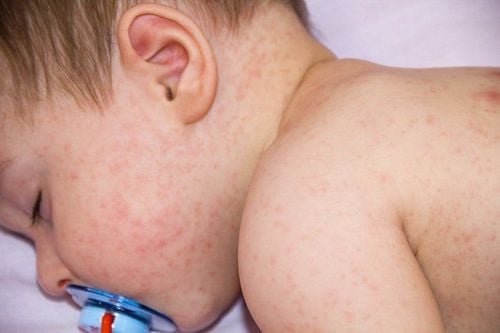
Heat rash a red rash is the size of a pinhead, round or patchy, the tip of the rash has a little water, redness around and frequently appears on the head, neck, chest, back,.... The dense rash is often red, itchy and feels hot. Therefore, children with prickly heat often scratch and are prone to skin ulcers due to infection.

There are 3 types of prickly heat in children:
- Miliaria crystallina prickly heat: Usually occurs in young children due to slow development of sweat glands. This type of prickly heat does not show inflammation, usually occurs due to high fever and leaves flaky patches of skin after the disease has healed.
- Miliaria rubra (prickly heat): Usually occurs due to hot and humid weather.
- Miliaria profunda: Occurs due to severe damaged sweat glands, usually after prolonged prickly heat.
Nếu 6 tuổi không biết đếm số, 7 tuổi vẫn chưa phân biệt được giữa thực tế và tưởng tượng thì có thể bé chậm phát triển thể chất và trí tuệ hơn so với bạn bè cùng lứa. Bạn đã nhận biết được các dấu hiệu bất thường sớm này chưa? Cùng làm nhanh bài trắc nghiệm sau để trang bị thêm kiến thức cho mình nhé!
The following content is prepared under supervision of Thạc sĩ, Ma Văn Thấm , Nhi , Phòng khám Đa khoa Vinmec Dương Đông (Phú Quốc)

2. Will prickly heat resolve on its own?
In essence, prickly heat is a disease caused by overheating, so when the weather becomes cool, the disease will resolve spontaneously. However, "resolve" here does not mean that the prickly heat has completely disappeared. When the weather becomes cool, the child's skin is less hot and does not sweat anymore then the symptoms of the disease will disappear, but the recurrent symptoms will occur if the weather is hot, especially in the summer.
Normally, when prickly heat relapses many times, it will develop into miliaria profunda, to put it simply, this is a disease formed by many recurrences of prickly heat. At this point, the disease severity was more severe than the first, the damage is not only on the surface of the child's skin but also deep inside the skin. The lesions probably hyperpigmented easily lead to widespread sweating, exhaustion, rapid pulse, and continuous vomiting.
In other words, prickly heat cannot resolve on its own if parents do not intervene timely. If the blister bursts, bacteria and fungi penetrate the skin causing chronic dermatitis, skin infections and more dangerously is sepsis affecting and threatening the child's life. In addition, when a child has prolonged heat rash, it will make the child itchy, fussy all day and night, refuse to eat, then they can quickly become debilitated and lose weight. The burst pustules will also leave scars affecting the child's future appearance.
3. Treatment of prickly heat
The most effective treatment for heat rash is to reduce sweating by regulating temperature: air conditioner, ventilation fan, wearing cool clothes and limiting movement. When the skin is cooled, prickly heat will disappear quickly.
Mild prickly heat does not require treatment, but more severe cases sometimes need to be treated with topical medications to reduce discomfort and prevent complications.
When children have prickly heat, parents need to keep them from rubbing or forcefully scratching the prickly heat rash to avoid damaging the skin, which creates conditions for bacteria to attack and cause secondary infection or more seriously widespread infection complications.
Parents should gently rub the prickly heat rash area to make their children feel more comfortable. At the same time, keep the child's body in a cool, airy environment to limit the child's excessive sweating.
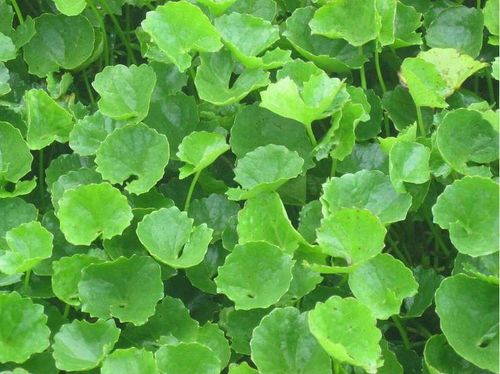
Bathing children regularly helps keep the body cool, the skin clean, and the pores unclogged. Bathe with a 1/10,000 diluted potassium permanganate solution, a soap-free, colorless, unscented shower gel for children, and bathe with folk remedies such as green tea leaves, bitter melon, star fruit leaves…. Parents can use this method to bathe their children when they have early prickly heat.
It should be noted that if you buy these leaves at the market, you should soak them in salt water to make sure there are no residual preservatives before boiling them for your child to bathe. Do not squeeze too much lemon in bathwater or rub on the child's prickly heat rash area because this can damage the child's sensitive skin causing ulcers and pain.
4. Prevent prickly heat in children
To prevent prickly heat in children, experts recommend:
Parents should keep their children in an airy environment, avoid crowded places in hot weather.
- Parents should pay attention to keep their children's bodies dry, minimizing the condition of sweat remaining on their skin for too long.
- Parents should dress their children in loose, breathable cotton clothes that absorb sweat well.
- Children should drink enough water and increase their intake of drinks and fresh fruits rich in vitamin C to increase the immune system and fight against negative external influences.
- Do not wrap children too tightly or dress them in too many clothes.
In case the child has prickly heat lasting from 7 to 10 days or more, spreading all over the body or showing signs of secondary infection such as: skin swelling, heat, redness, pain, pus discharge, swollen lymph nodes in the neck, armpits, groin, fever, chills, ..., parents need to take the child to medical facilities for timely examination, avoiding complications.
For children to be healthy and develop well, they need a nutritional regimen that ensures quantity and balance of quality. If children are not provided with adequate and balanced nutrients, it will lead to diseases of excess or lack of nutrients, which will negatively affect the child's overall development in physical, mental and motor skills.
Children who do not eat properly are at risk of lacking micronutrients, causing anorexia, slow growth, poor absorption,.... If parents notice the above signs, they should supplement their children with support products containing lysine, essential micronutrients and vitamins such as zinc, chromium, selenium, and B vitamins to help fully meet the nutritional needs of children. At the same time, these essential vitamins also support digestion, enhance the ability to absorb nutrients, help improve anorexia and help children eat well.
To arrange an appointment, please call HOTLINE or make your reservation directly HERE. You may also download the MyVinmec app to schedule appointments faster and manage your reservations more conveniently.