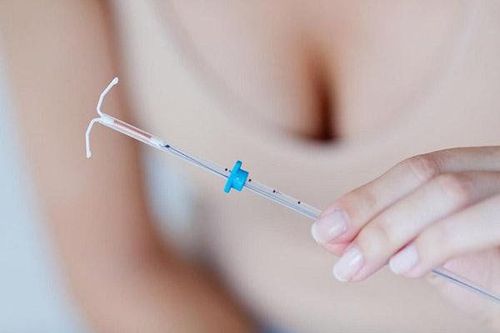

Currently, there are many different contraceptive methods, each with its own advantages and disadvantages. Depending on their health condition and financial situation, women can choose the most suitable contraceptive method for their body. The contraceptive implant is a highly effective method (99.95%) that provides long-term pregnancy prevention.
This article was professionally consulted by Pham Thi Yen, Specialist Level I in Obstetrics and Gynecology, Department of Obstetrics and Gynecology, Vinmec Hai Phong International General Hospital.
Currently, there are many different contraceptive methods, each with its own advantages and disadvantages. Depending on their health condition and financial situation, women can choose the most suitable contraceptive method for their body. The contraceptive implant is a highly effective method (99.95%) that provides long-term pregnancy prevention.
1. About the contraceptive implant method
The contraceptive implant involves inserting a small rod containing a specific amount of the hormone progesterone under the skin of a woman's upper arm. This hormone is gradually released into the body daily, helping to maintain contraceptive effectiveness for an extended period (ranging from 3 to 5 years, depending on the type of implant used). In the initial period after implantation, women may experience changes in their menstrual cycle, such as lighter periods, missed periods, or prolonged bleeding. Other possible side effects include dizziness, headaches, mild weight gain, or acne. These reactions are normal hormonal responses and usually stabilize within one to two months. In rare cases where these symptoms do not subside, women may consider having the implant removed. Once the implant is taken out, the menstrual cycle and fertility will immediately return to normal.

2. Contraceptive implant removal procedure
2.1. When should the contraceptive implant be removed?
When considering the contraceptive implant method, many women are particularly interested in when to remove the implant, how soon they can resume sexual activity, and how quickly they can conceive after removal. According to medical experts, the implant should be removed in the following cases:
- When the implant is no longer effective: After 3 to 5 years (depending on the type of implant), its contraceptive effectiveness decreases. At this point, women can choose to remove it permanently or replace it with a new implant.
- When planning to restore fertility: If you wish to conceive, you can request your doctor to remove the implant. You can resume sexual activity immediately, and fertility typically returns within about one week after removal.
- In case of severe side effects: In rare cases, some women may experience side effects that significantly impact their health and daily life. In such situations, removing the implant is the most suitable and optimal solution.

2.2. Contraceptive implant removal procedure
If you wish to remove the contraceptive implant, you should visit a reputable medical facility for the procedure. The removal process consists of the following steps:
- Identifying the exact location of the implant.
- Injecting a small amount of local anesthetic under the implant.
- Making a small horizontal incision just below the implant, gently pressing on the opposite end, and using forceps to remove it from the arm.
The removal procedure is relatively simple, typically taking only 5 to 10 minutes, so there is no need to worry.
2.3. Fertility after implant removal
Many women wonder about their chances of getting pregnant after removing the implant. In reality, you can engage in sexual activity and try to conceive as soon as one day after removal. Medical studies have shown that the hormones in the implant do not affect fetal development.
3. Side effects of the contraceptive implant
Despite its outstanding advantages, the contraceptive implant can also cause some rare side effects such as headaches, dizziness, acne, breast tenderness, and nausea. It may also lead to changes in the menstrual cycle, including lighter periods, amenorrhea, or irregular bleeding. These symptoms typically subside over time with continued use. It is important for women to consult with their healthcare providers and carefully weigh the benefits and risks before deciding to use the contraceptive implant, as well as to undergo screening to rule out any contraindicated risk factors.
MD Pham Thi Yen has 11 years of experience in the field of obstetrics and gynecology. She is highly skilled and knowledgeable in:
- Prenatal consultation and care for normal, high-risk, and complicated pregnancies.
- Diagnosis and treatment of gynecological conditions, including cervical inflammation and cervical ectropion.
- Laparoscopic surgery for gynecological conditions such as ectopic pregnancy, uterine tumors, and ovarian cysts.
- Surgical treatment of breast tumors, vulvar tumors, vaginal and cervical tumors.
- Obstetric surgeries, including cesarean sections and prenatal examinations.
- Treatment of hormonal disorders in women at different life stages, including puberty, reproductive age, and perimenopause.
Doctor Pham Thi Yen has 11 years of experience in examination and treatment in the field of Obstetrics and Gynecology. Doctor with strengths and deep understanding in:
Examination and consultation of normal pregnancies, pathological pregnancies, high-risk pregnancies Examination and treatment of gynecological diseases: cervicitis, cervical ectropion Surgery Laparoscopic surgery for gynecological diseases: ectopic pregnancy, uterine tumor, ovarian tumor Surgery for breast, vulvar, vaginal, cervical tumors Obstetric surgery: cesarean section, examination and treatment of endocrine disorders in women of all ages: puberty, reproductive age; perimenopausal age. To register for examination and treatment at Vinmec International General Hospital, you can contact Vinmec Health System nationwide, or register online HERE
MORE
Contraceptive patch: What you need to know Contraception with pills, patches and rings Hormonal methods of contraception: Patch, vaginal ring, injection, implant
To arrange an appointment, please call HOTLINE or make your reservation directly HERE. You may also download the MyVinmec app to schedule appointments faster and manage your reservations more conveniently.