Tinea versicolor is a dermatological condition that can occur in individuals of all ages, from infants to adults. Most people have heard of this disease at least once, but not everyone knows how to treat tinea versicolor in children or how to treat it in infants.
1. Tinea Versicolor in Infants
Tinea versicolor in infants is a skin condition caused by the Malassezia fungus. When affected by tinea versicolor, infants may experience itching and changes in skin color in the affected areas, such as the appearance of abnormal white or dark patches on the skin, which can be unsightly and easily recurrent.
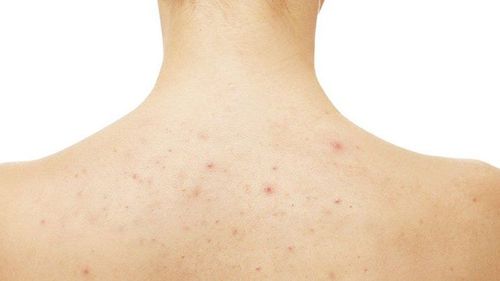
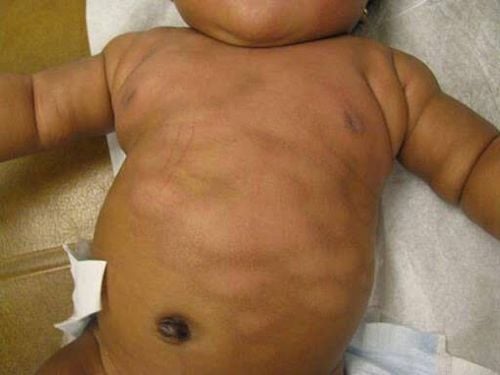
Tinea versicolor in infants and young children can be easily noticed by patches of different colors, typically appearing on the back, chest, neck, or armpits, with the following characteristics:
- Infants with fair skin will show darker patches, while those with darker skin will display lighter patches.
- The discolored patches have prominent borders, and the spots vary in size.
- The affected skin may be scaly or naturally peeling.
- The discolored areas may feel itchy or slightly irritated. If not treated promptly, the damaged skin can spread further and become more dangerous, especially when exposed to sunlight.
2. Causes of Tinea Versicolor in Infants and Young Children
Tinea versicolor in infants and young children is caused by the Malassezia fungus. This type of fungus can develop and infect the skin of children due to the following reasons:
- Wearing tight or multiple layers of clothing: When children move, they sweat, especially in areas like the back, chest, neck, and groin. If sweat is not quickly absorbed, it can lead to moist skin, making it easier for Malassezia to cause tinea versicolor.
- Improper hygiene: Parents may not regularly clean or wipe their children properly. If children are not dried off after bathing before getting dressed, or if diapers are not changed frequently and the diaper area is not cleaned, it can lead to the growth of Malassezia and cause the condition.
- Humid environment and hot weather: High humidity and hot, rainy weather create favorable conditions for Malassezia to grow and cause skin infections. Infants and young children generally have weaker immune systems, making them more susceptible to this fungus.
- Skin type of the child: If a child's skin is oily, along with hormonal changes in their body, this can also contribute to the development of Malassezia and cause skin issues.
3. Treatment of Tinea Versicolor in Infants and Young Children
While tinea versicolor does not pose a serious threat to the health and life of children, it can cause long-term skin damage, leading to aesthetic concerns and a high risk of recurrence.
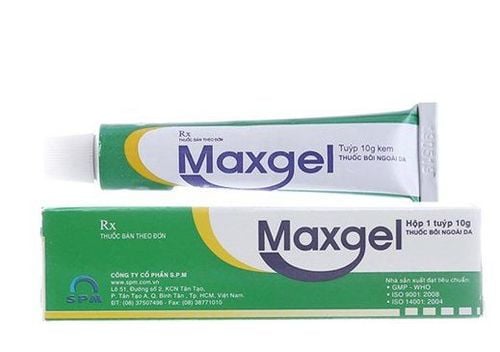
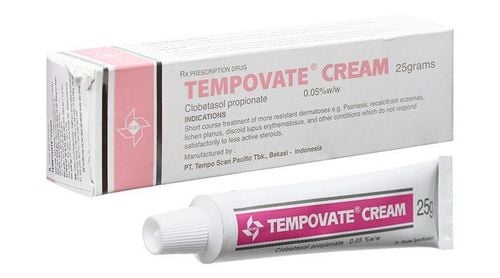
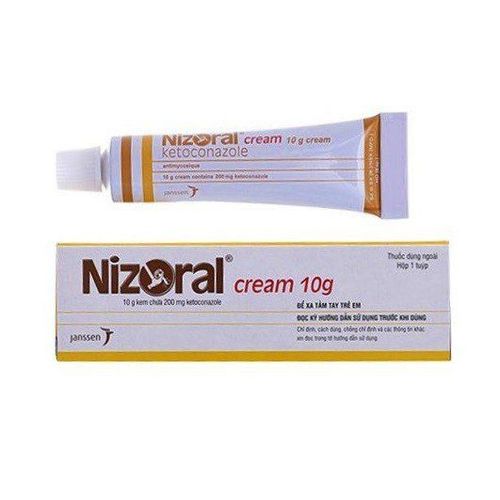
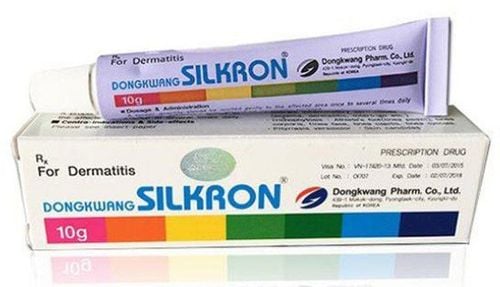
To effectively treat tinea versicolor in infants, topical antifungal medications or oral treatments specifically for Malassezia should be used. However, it is essential to consult a specialist doctor regarding which treatment to use; parents should not self-medicate their children.
When an infant has tinea versicolor, it is important to dress them in loose clothing, avoid damp clothes, and clean the affected skin thoroughly before applying topical medication or administering oral antifungal treatment.
In cases of mild tinea versicolor, the doctor may prescribe a topical cream, minimizing the need for oral medication. However, if the condition is more severe, the doctor will determine the specific treatment regimen, which may include oral medications.
When a child has tinea versicolor, parents should take them to a healthcare facility for examination and timely treatment. Delaying treatment may worsen the condition and lead to aesthetic issues for the child.
To arrange an appointment, please call HOTLINE or make your reservation directly HERE. You may also download the MyVinmec app to schedule appointments faster and manage your reservations more conveniently.