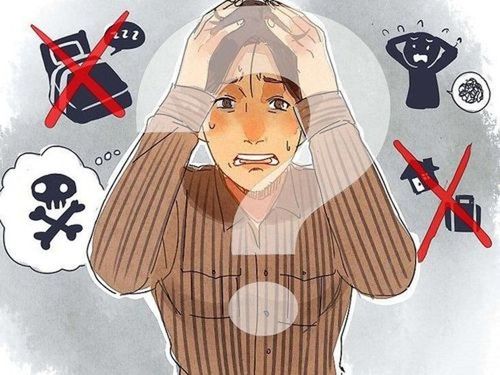

Psychological stress, mental instability, or psychiatric conditions such as depression can suppress appetite, cause nausea, and lead to poor food digestion. This condition is referred to as anorexia nervosa. Treatment of anorexia nervosa is mainly based on psychological therapy.
This article was written by: Resident Doctor Nguyen Van Giap - Psychiatrist, Integrated Mental Health Care Center - Vinmec Times City General International Hospital.
1. What is anorexia nervosa?
Anorexia nervosa is a severe eating disorder characterized by extreme self-imposed food restriction due to an intense fear of gaining weight. The key feature of this condition is a distorted body image; patients always perceive themselves as overweight even when their bodies are severely underweight and emaciatedThe disorder is most common in adolescent girls and young women, but it can also affect men and individuals of all ages.
Although the exact cause is not fully understood, it is generally the result of a complex interaction between genetic, psychological, and social factors. Individuals with perfectionist traits, low self-esteem, or exposure to strict beauty standards are at higher risk. A history of excessive dieting or having family members with eating disorders or depression are also important risk factors that can contribute to distorted beliefs about maintaining an excessively thin body.
Anorexia nervosa has two types:
- Restrictive type: The patient has no appetite, severely restricts food intake, or engages in excessive exercise.
- Binge-eating/purging type: The patient consumes a large amount of food uncontrollably and then tries to purge it by vomiting or misusing laxatives or diuretics.
1. What is anorexia nervosa?
Anorexia nervosa is a severe eating disorder characterized by extreme self-imposed food restriction due to an intense fear of gaining weight. The key feature of this condition is a distorted body image; patients always perceive themselves as overweight even when their bodies are severely underweight and emaciatedThe disorder is most common in adolescent girls and young women, but it can also affect men and individuals of all ages.
Although the exact cause is not fully understood, it is generally the result of a complex interaction between genetic, psychological, and social factors. Individuals with perfectionist traits, low self-esteem, or exposure to strict beauty standards are at higher risk. A history of excessive dieting or having family members with eating disorders or depression are also important risk factors that can contribute to distorted beliefs about maintaining an excessively thin body.
Anorexia nervosa has two types:
- Restrictive type: The patient has no appetite, severely restricts food intake, or engages in excessive exercise.
- Binge-eating/purging type: The patient consumes a large amount of food uncontrollably and then tries to purge it by vomiting or misusing laxatives or diuretics.

3. Diagnosis of anorexia nervosa
A key feature of anorexia nervosa is that the patient severely restricts food intake (or engages in bingeing followed by purging) while denying the seriousness of their underweight condition and physical wasting. Due to distorted body image perception, they often do not believe they are ill, which leads to resistance or refusal of medical examination and treatment.
Clinical diagnostic criteria include:
- Restricted food intake leading to low body weight (BMI < 17 kg/m² or even BMI < 15 kg/m²).
- Fear of gaining weight or becoming fat.
- Disturbance in body image, such as a distorted perception of appearance and/or weight, or denial of illness.
However, some patients may still appear physically healthy. The key diagnostic factor is an intense fear of gaining weight despite significant weight loss.
Differential diagnosis
Some conditions may cause appetite loss and significant weight loss but are not related to anorexia nervosa, such as:
- Psychiatric disorders such as schizophrenia or primary depression.
- Certain severe untreated physical conditions such as malabsorption syndrome, type 1 diabetes, adrenal insufficiency, and cancer.
- Amphetamine abuse may also produce similar symptoms.
Differential diagnosis
Some conditions may cause appetite loss and significant weight loss but are not related to anorexia nervosa, such as:
- Psychiatric disorders such as schizophrenia or primary depression.
- Certain severe untreated physical conditions such as malabsorption syndrome, type 1 diabetes, adrenal insufficiency, and cancer.
- Amphetamine abuse may also produce similar symptoms.
4. Treatment for anorexia nervosa
If not detected and treated, anorexia nervosa can lead to severe physical weakness, dysfunction of multiple organ systems, and a mortality rate of up to 10% per decade. Children and adolescents tend to respond better to treatment than adults. With treatment, about half of patients return to normal, regain weight, and improve complications. One quarter show moderate outcomes and may experience relapse. The remaining quarter respond poorly to treatment, have frequent relapses, and suffer both mental and physical health complications.
A combination of the following treatment approaches is required:
- Adequate nutritional, electrolyte, vitamin, and mineral supplementation.
- Psychological therapies such as CBT-E (Cognitive Behaviour Therapy - Enhanced) or specialized cognitive behavioral therapy, or Maudsley treatment for anorexia nervosa in adults, and FBT (Family-Based Treatment) for children and adolescents.
- Support and accompaniment from family members.
- Second-generation antipsychotic medications (e.g., olanzapine) may be used as an adjunct to reduce anxiety and support weight gain.
- If BMI is extremely low or there are signs of heart failure or hypoglycemia, the first priority is not psychotherapy but hospital admission for intravenous nutritional support and electrolyte stabilization. Psychotherapy is only effective when the brain is sufficiently nourished to function.

Anorexia nervosa is an eating disorder characterized by excessive weight loss due to severe food restriction driven by an intense fear of gaining weight, or by binge eating followed by purging behaviors. It is most commonly seen in adolescents and women, and it causes significant physical and mental health damage due to nutritional deficiencies, which can be life-threatening.
Treatment includes nutritional rehabilitation, psychotherapy to change cognitive and behavioral patterns, family-based therapy, and sometimes second-generation antipsychotic medication.
To arrange an appointment, please call HOTLINE or make your reservation directly HERE. You may also download the MyVinmec app to schedule appointments faster and manage your reservations more conveniently.