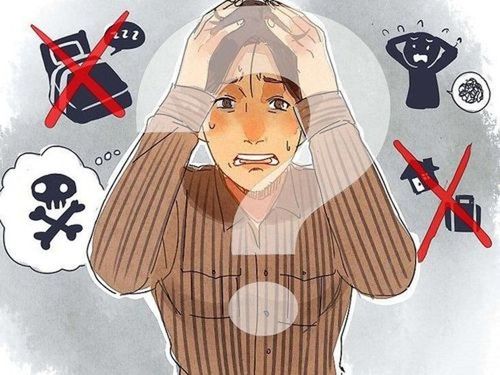

Bulimia nervosa is an eating disorder characterized by cycles of binge eating followed by compensatory behaviors. If left untreated, it can lead to chronic fatigue, heart rhythm disturbances, and serious kidney impairment. Therefore, early diagnosis and appropriate treatment are crucial for full recovery and restoring balance in life.
Content written by: Dr. Nguyen Van Giap - (Psychiatrist) at the Integrated Mental Health Center - Vinmec Times City International Hospital.
1. What is Bulimia Nervosa?
Bulimia nervosa is a serious eating disorder. Individuals typically experience a cycle of consuming an excessive amount of food in a short period (binge eating), followed by attempts to eliminate the food (purging) to avoid weight gain.
Unlike binge eating disorder (BED) - where individuals binge without proactively purging-people with Bulimia nervosa live in constant fear of weight gain and loss of control over their behavior.
Common signs and symptoms include:
- Binge - purge cycle: Eating in secret, followed by self-induced vomiting or misuse of laxatives.
- Body image obsession: Persistent low self-esteem, excessive mirror checking, and self-worth tied to body weight.
Physical signs:
- “Chipmunk cheeks”: Swollen salivary glands due to frequent vomiting.
- Yellowing or enamel erosion of teeth: Caused by repeated exposure to stomach acid.
- Calluses on the back of the hand (Russell’s sign): From frequent self-induced vomiting.
- Red eyes: Due to broken blood vessels from the pressure of vomiting.

As the condition progresses, individuals find it increasingly difficult to control their eating behaviors. Bulimia nervosa does not stem from a single cause but rather a combination of genetic, psychological, and sociocultural factors. People with co-occurring conditions such as depression, anxiety, or past trauma may use eating behaviors as a coping mechanism, creating a dangerous cycle.
2. How Dangerous is Bulimia Nervosa?
Bulimia nervosa patients are susceptible to serious risks, such as:
- Electrolyte imbalance: Frequent vomiting and misuse of diuretics can cause severe potassium and sodium depletion, potentially resulting in heart failure or sudden death.
- Gastrointestinal damage: Esophageal tears, gastroesophageal reflux disease (GERD), and stomach ulcers.
- Dental problems: Stomach acid erodes tooth enamel, leading to tooth decay and chronic gum disease.
- Mental health impact: Increased risk of depression, anxiety disorders, and suicidal thoughts.
3. Evidence-Based Treatment for Bulimia Nervosa

Individuals experiencing symptoms of Bulimia nervosa should seek medical attention as early as possible. Recovery is achievable with appropriate guidance:
- Acknowledge the presence of disordered eating behaviors and the loss of control. Share your condition with trusted family members or healthcare professionals for support;
- Avoid environments, people, or triggers that may provoke binge–purge behaviors (e.g., fashion media, diet-focused discussions);
- Seek professional guidance to re-establish healthy eating patterns and develop a positive mindset toward food and body image.
The doctor will review the patient’s medical history and perform a general examination, paying close attention to their emotional state and eating habits. The doctor may also request blood tests and an electrocardiogram (ECG) to check for electrolyte imbalances and other substances in the body, prioritizing the treatment of these dangerous complications alongside addressing the eating disorder. Other possible causes that may lead to similar symptoms will also be ruled out.
Cognitive Behavioral Therapy (CBT) is the first-line treatment, prioritized and highly important in eating disorders in general, and in bulimia nervosa in particular. CBT focuses on analyzing and breaking the vicious cycle: strict dieting leads to intense hunger, which triggers binge eating, followed by compensatory behaviors (such as self-induced vomiting or laxative use) to prevent weight gain, and finally feelings of guilt and shame that lead back to dieting.
Next, patients need to correct distorted thoughts about weight, diet, body shape, and related issues. Doctors will also explain that eliminating food from the body through vomiting, laxatives, or diuretics does not result in weight loss and can cause significant harm to health.
- In terms of pharmacological treatment, alongside psychotherapy, certain medications that help reduce binge-eating impulses may be used, such as fluoxetine. Other selective serotonin reuptake inhibitors (SSRIs), including sertraline, escitalopram, and fluvoxamine, may be considered if there is no response to fluoxetine.
Addressing underlying mental health conditions such as stress, depression, and anxiety is also essential for comprehensive treatment.
In conclusion, Bulimia nervosa can lead to severe and potentially life-threatening complications. If you or someone you know shows signs of this condition, seek medical attention promptly for timely intervention.
To arrange an appointment, please call HOTLINE or make your reservation directly HERE. You may also download the MyVinmec app to schedule appointments faster and manage your reservations more conveniently.