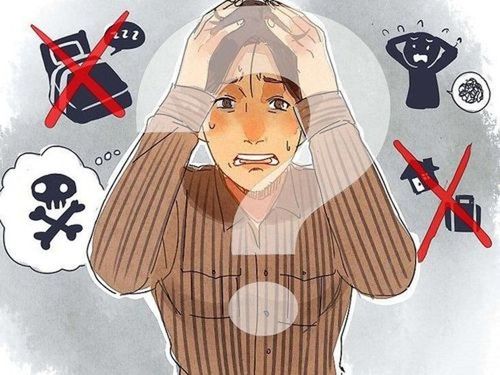

Auditory hallucinations, formally known as Auditory Verbal Hallucinations (AVH), represent a psychological experience where an individual perceives sound in the absence of any external sound source. Research indicates that up to 80% of individuals diagnosed with schizophrenia experience these hallucinations, making them one of the most common and clinically significant symptoms of the disorder.
This article was written by: MD. MSc., Specialist Level 1, Dr. Huynh Thanh Tan - Psychiatrist - Integrated Mental Health Care Center - Vinmec Times City International Hospital
1. What is AVH?
An auditory hallucination is not just a simple "voice in the head." For some, the source feels external - emanating from a television, a specific corner of a room, or multiple directions at once. The auditory hallucinations experienced by people with schizophrenia can be the voices of friends and family, or they may be completely unfamiliar and hard to identify. In many cases, patients believe they are hearing the voices of deceased relatives.
2. What are the symptoms of AVH?
Symptoms of auditory hallucination can be categorized by the voices’ intent and content. Nonsensical voices are a common subtype, or sometimes the person may be commanded to perform illogical tasks, such as pouring water over their head. While these orders may seem harmless to an observer, their repetitive and incessant nature often overwhelms the individual’s focus.
More severe symptoms come from Self-Harm and Threatening voices. These are often characterized by a hostile or urgent tone, frequently involving non-stop screaming or threats. These hallucinations are particularly dangerous as they increase the risk of violence or self-inflicted injury, driven by the intense fear and lack of control the individual feels over the intrusive sounds.

3. What is the Impact of AVH?
The impact of persistent AVHs goes far beyond the sounds themselves. In schizophrenia, these voices are typically more derogatory, accusatory, and abusive . This constant "negative appraisal", where the individual views the voices as powerful and threatening, is a strong predictor of a transition into full psychosis.
Living with these hallucinations often leads to higher levels of anxiety, depression, and chronic stress. Many individuals adopt passive coping styles, which can inadvertently maintain the symptoms and increase the overall functional burden. Furthermore, the need to explain these voices can lead to delusional beliefs, as individuals attribute the sounds to ghosts, spirits, or external surveillance.

4. How to Recognize AVH in People with Schizophrenia
Recognizing when someone is struggling with auditory hallucinations requires careful observation of their behavior and engagement with the environment. A person with symptoms of AVH may turn their head or stare intently at a vacant space as if listening to an invisible speaker. They might mutter to themselves, answer questions that haven't been asked, or speak aloud to someone who isn't there.
In terms of social interaction, the person may become suddenly withdrawn, agitated, or fearful without an obvious cause. Because the voices are often loud and distracting, the individual may have trouble following a conversation or maintaining focus on daily tasks.
If a loved one mentions hearing insults, criticisms, or commands that no one else can hear, it is a clear indicator that they are navigating a distressing internal reality. This path should not be navigated alone - at Vinmec’s Integrated Mental Health Care Center, we are always here to walk this journey.
References:
Cleveland Clinic. “Auditory Hallucinations: Causes, Symptoms, Types & Treatment.”
Cleveland Clinic, 10 June 2022, my.clevelandclinic.org/health/symptoms/23233-auditory-hallucinations.
de Leede-Smith, Saskia, and Emma Barkus. “A Comprehensive Review of Auditory Verbal Hallucinations: Lifetime Prevalence, Correlates and Mechanisms in Healthy and Clinical Individuals.” Frontiers in Human Neuroscience, vol. 7, 2013, https://doi.org/10.3389/fnhum.2013.00367.
Hazell, Cassie M, et al. “The Role of Verbal Auditory Hallucinations in Influencing and Retrospectively Predicting Physical Harm Prevalence in Early Psychosis.” Clinical Practice and Epidemiology in Mental Health, vol. 20, no. 1, 29 May 2024, https://doi.org/10.2174/0117450179286452240520070533.
Moore, William, and Keri Wiginton. “Auditory Hallucinations: Causes and Treatment.” WebMD, 19 Dec. 2024, www.webmd.com/schizophrenia/auditory-hallucinations.
To arrange an appointment, please call HOTLINE or make your reservation directly HERE. You may also download the MyVinmec app to schedule appointments faster and manage your reservations more conveniently.