
Treatment with psychotropic medications is one of the methods used to manage mental disorders. There are many groups and types of medications, and doctors will prescribe them depending on the patient’s specific condition.
This article was written by: Resident Doctor Nguyen Van Giap - Psychiatrist, Integrated Mental Health Care Center - Vinmec Times City International General Hospital.
1. Can medication cure mental disorders?
In clinical practice, medications are primarily used to control symptoms, helping patients stabilize and return to daily life, while also enhancing the effectiveness of other treatments such as psychotherapy and brain stimulation therapies. Doctors do not typically use the term “cure” for mental disorders because medication manages an underlying condition (which may be related to genetics, brain structure, chronic stress, or early-life trauma) rather than eliminating it completely.
Therefore, modern medicine emphasizes a combined treatment model: medication stabilizes acute symptoms and creates a “window of opportunity” for psychological therapies (such as CBT, cognitive therapy, and family therapy) and social interventions (like job support and rehabilitation) to help patients build long-term relapse prevention skills.
There are many groups of medications used to treat mental disorders, and doctors prescribe them based on each patient’s specific condition. These medications must be used exactly as directed to achieve the best results.
Are psychiatric medications harmful? In reality, every medication has potential side effects. However, following treatment instructions and proper dosing can significantly reduce risks. Side effects vary among individuals; some patients may experience more severe effects than others. If any unusual symptoms occur, patients should inform their doctor promptly for appropriate management.
2. Types of Medication
2.1. What medications are used to treat depression?

Depression is a mood disorder characterized by persistent sadness, hopelessness, and loss of interest in life. It can affect anyone but is more common in women aged 18–45. Common groups of antidepressants include:
- Selective Serotonin Reuptake Inhibitors (SSRIs): citalopram, escitalopram, fluoxetine, fluvoxamine, paroxetine, sertraline,...
- Serotonin-Norepinephrine Reuptake Inhibitors (SNRIs): desvenlafaxine, duloxetine, levomilnacipran, venlafaxine,...
- Tricyclic Antidepressants (TCAs): amitriptyline, imipramine, nortriptyline, doxepin,...
- Monoamine Oxidase Inhibitors (MAOIs): isocarboxazid, tranylcypromine, phenelzine, selegiline,...
- Atypical antidepressants: bupropion, mirtazapine, trazodone, etc.
Doctors prescribe medications based on the patient’s condition. Antidepressants usually take 2-4 weeks to start working and 4-8 weeks for full effectiveness. If needed, doctors may combine or switch medications.
Side effects vary depending on the drug and often improve as the body adapts. Patients should never stop medication abruptly, as this may lead to relapse or serious symptoms. Always consult a doctor to gradually taper the dose.

2.2. What medications are used to treat anxiety disorders?
Anxiety disorders involve excessive worry about everyday situations and can significantly impact daily life if prolonged.
Medications include:
- Antidepressants (especially SSRIs).
- Benzodiazepines: diazepam, alprazolam, clonazepam, lorazepam.
- Fast-acting but may cause dependence, so they are used short-term.
- Common side effects: drowsiness, poor concentration, dizziness, impaired coordination.
- Buspirone: a non-addictive serotonergic medication used for generalized anxiety disorder (GAD); takes several weeks to work.
- Certain anticonvulsants: gabapentin, pregabalin (in some cases).
2.3. What medications are used to treat psychotic disorders?
Psychosis involves distorted thinking, such as delusions or hallucinations.
Antipsychotic medications include:
- First-generation (typical): chlorpromazine, haloperidol, levomepromazine, promazine.
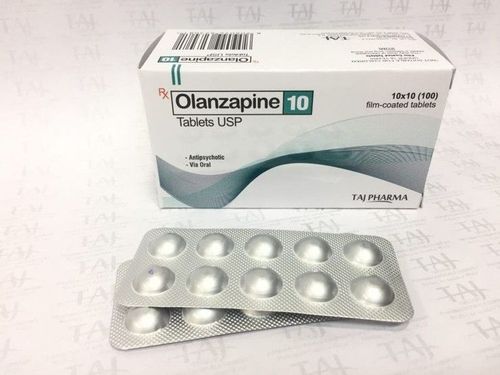
- Second-generation (atypical): risperidone, ziprasidone, olanzapine, amisulpride, clozapine, aripiprazole, asenapine, lurasidone, cariprazine.
Antipsychotic medications can cause a range of side effects, and some patients may experience more side effects than others. If these side effects significantly affect a patient’s quality of life, the doctor may consider changing the medication or adjusting the dosage. Some common side effects include:
- Drowsiness.
- Irregular or rapid heartbeat.
- Dizziness when standing.
- Reduced sexual interest.
- Menstrual irregularities.
- Skin sensitivity.
- Weight gain.
- Muscle stiffness.
- Slowed movement or speech.
The side effects are usually mild and may disappear after a few weeks of treatment as the patient’s body adapts to the medication. However, in some rare cases, serious side effects may occur, such as:
- Tardive dyskinesia: uncontrolled movements (tongue, lips, body).
- Neuroleptic malignant syndrome: potentially fatal condition with severe muscle stiffness, fever, sweating, confusion, coma.
- Agranulocytosis: dangerously low white blood cells, can increase the risk of infections and death.
In addition, some antipsychotic medications can increase blood sugar levels (which may eventually lead to diabetes), as well as raise cholesterol and triglyceride levels. Doctors will order tests to monitor these parameters during treatment.
Newer-generation antipsychotics are generally better tolerated and have fewer side effects, such as movement disorders, so they are more commonly used today. However, when prescribing these medications, doctors will monitor the risk of metabolic disturbances and weight gain in patients.

2.4. What medications are used to treat ADHD?
Attention Deficit Hyperactivity Disorder (ADHD) is a neurodevelopmental disorder.
Medications include:
- Stimulants: amphetamine, methylphenidate, dextroamphetamine, lisdexamfetamine. Psychostimulant medications such as amphetamine, methylphenidate, dextroamphetamine, lisdexamfetamine, and methylphenidate act on the nervous system to alter neurotransmission and address the underlying neurobiological issues associated with ADHD in children.
- Non-stimulants: atomoxetine, bupropion, venlafaxine, clonidine, etc. Help regulate brain activity related to attention and impulse control.
All ADHD medications have to carry warnings about potential risks, including stroke, heart attack, and psychiatric symptoms such as mania or psychosis.
Medication is one of the key methods for treating mental disorders. Depending on the condition and patient characteristics, doctors will prescribe appropriate medications and dosages.
Patients must strictly follow medical instructions to minimize side effects. If you have any concerns about your medication or potential risks, consult your doctor promptly.
To arrange an appointment, please call HOTLINE or make your reservation directly HERE. You may also download the MyVinmec app to schedule appointments faster and manage your reservations more conveniently.