"Should you have intercourse when experiencing vaginal yeast infection?" is a common question among women. Vaginal infections are a frequent condition, particularly among sexually active women. This article aims to address this concern.
1. What is Vaginal Candidiasis?
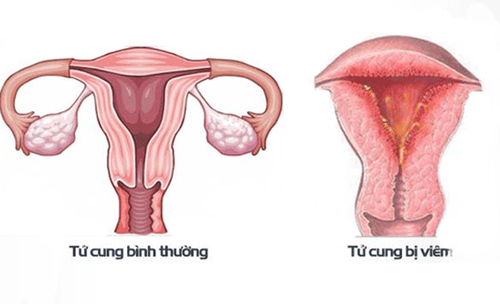
The vagina is a female reproductive organ that naturally harbors multiple types of bacteria. Beneficial bacteria thrive in a balanced vaginal pH environment. However, when the vaginal environment undergoes changes due to various factors, harmful microorganisms (primarily fungi) can overgrow, leading to vaginal candidiasis.
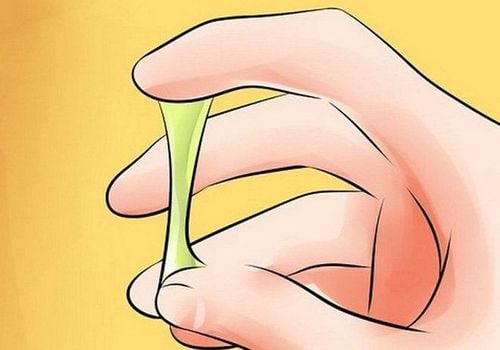
Excessive vaginal discharge is a prominent symptom of vaginal infections. Additionally, affected women may experience pain, itching, and mild bleeding outside the menstrual cycle. If these symptoms occur, immediate medical consultation is necessary to determine the cause and receive appropriate treatment. Various bacterial infections can lead to different forms of vaginitis, requiring distinct diagnoses and treatment plans.
2. Can You Have Intercourse When Experiencing Vaginal Yeast Infection?
The concern of whether sexual activity is permissible during a vaginal yeast infection is valid, as candidiasis is highly contagious. If a woman contracts vaginal candidiasis, her partner may also be at risk of developing male genital infections, such as balanitis or other reproductive organ infections.
During intercourse, the movement and friction between the penis and the vaginal walls can exacerbate the affected area, worsening ulceration and inflammation. This facilitates the proliferation of pathogenic microorganisms.
In reality, sexual activity remains possible during a vaginal yeast infection. However, frequent intercourse may aggravate the condition, providing a more favorable environment for harmful bacteria to invade the reproductive organs, potentially causing severe conditions such as cervical inflammation, endometritis, and salpingitis. For this reason, physicians strongly advise against engaging in sexual intercourse, even with condom use, during an active infection.
Although vaginal infections are generally treatable, they may recur if medical recommendations regarding sexual abstinence are not followed. Therefore, in response to the question "Can one have intercourse during a vaginal infection?", the best course of action is to complete treatment to prevent adverse health effects on both partners.
Furthermore, untreated recurrent infections can disrupt family life and negatively impact female reproductive health. Physicians, therefore, recommend thorough treatment and limiting sexual activity during the infection period.

3. Preventative Measures Against Vaginal Yeast Infections
To prevent complications associated with vaginal candidiasis, women should adhere to the following recommendations:
• Maintain vaginal hygiene by regularly washing with clean water and mildly alkaline feminine hygiene products. Ensure the area is completely dry to avoid moisture buildup.
• After urination, pat dry with clean tissue, wiping from front to back to prevent bacterial transfer from the anus to the vagina.
• Avoid excessive use of antiseptic feminine hygiene solutions.
• Change sanitary pads every four hours during menstruation and use warm water for cleaning.
• Wear breathable, moisture-absorbing underwear to prevent damp conditions conducive to fungal infections.
• Practice safe sexual activity.
• Maintain a balanced diet rich in essential nutrients to enhance immune function and overall resistance to infections.
4. Proper Vaginal Hygiene During Infection
The following guidelines outline the proper approach to vaginal hygiene during an infection:
• Use clean water for washing; in cold weather, opt for warm water. Avoid direct jet sprays into the vaginal canal, as this may drive bacteria deeper into the reproductive tract.
• Avoid soaking in bathtubs, as bacteria from the anal region may spread to the vaginal area.
• When using feminine hygiene products, dispense the liquid onto your hands before applying it externally. Only cleanse the pubic hair and external folds, avoiding insertion into the vaginal canal, as this may push bacteria deeper into the reproductive system.
• After washing, dry the area with a clean towel to prevent moisture buildup, which can promote fungal growth.
• Clean the vaginal area at least twice daily. During menstruation, change sanitary pads and cleanse the area 3–4 times daily, depending on menstrual flow.
Vaginal candidiasis and other vaginal infections are common conditions among women. These infections can vary in severity and may recur if not promptly and effectively treated. Hopefully, this article has provided insight into whether one can engage in sexual activity during a vaginal yeast infection and the proper hygiene practices to prevent recurrence.
Read more:
To arrange an appointment, please call HOTLINE or make your reservation directly HERE. You may also download the MyVinmec app to schedule appointments faster and manage your reservations more conveniently.