Goose liver is a nutritious food that is rich in vitamins and minerals. It is regarded as delicious and can be prepared in many ways. However, recent studies have shown that it may be related to certain diseases. Is goose liver good for your health?
1. Learn more about goose liver
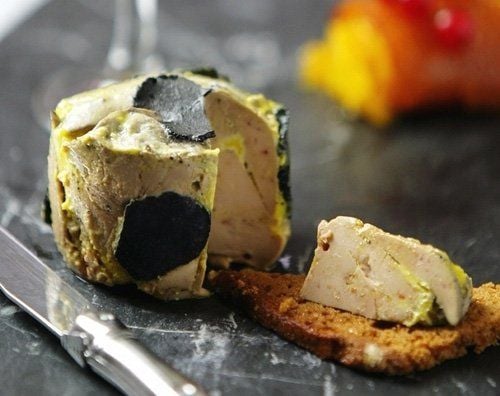
Goose liver is characterized by its rich, fatty, velvety texture and aromatic flavour. It is often used to make pâté to serve with bread and crackers. Goose liver is really nutritious, but it is often considered costly. During production, geese and ducks are required to follow a special diet, which is composed mainly of corn to heavily fatten the geese. Thus, the geese’s weight quickly increases while fat accumulates on and around the liver. This procedure ensures the rich and velvety texture of the liver. In reality, it can enlarge the liver to 10 times the original size.
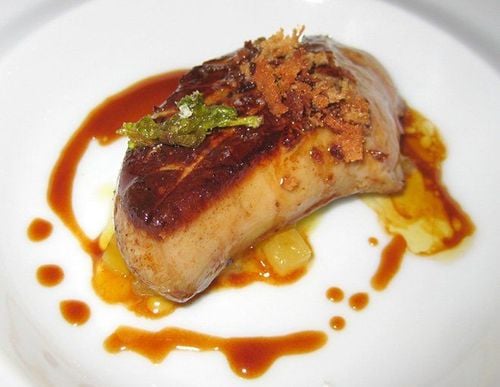
Goose livers can be sold raw, cooked, as a whole or in parts. They are important components of French cuisine. Roasted, pan-fried or grilled goose liver is a well-known dish, but most people are more familiar with pâté.
2. Nutritional value of goose liver
Goose liver is high in fat, vitamins and minerals, as it is the organ responsible for nutrition storage.
Nutritional value in 28 grams of goose liver pâté:
Calories: 130
Proteins: 3 grams
Lipids: 12 grams
Carbohydrates: 1 gram
Fiber: 0 grams
Vitamin B12: 111% daily value (DV)
Vitamin A: 32% DV
Pantothenic acid: 7% DV
Riboflavin: 7% DV
Niacin: 5% DV
Copper: 13% DV
Iron: 9% DV
Phosphorus: 5% DV
When served with red wine, some nutritional values of goose liver pâté may vary. Overall content of fats, vitamins and minerals does not change in this scenario. Due to its high fat content, goose liver is high in calories. 28 grams of goose liver pâté provides a daily recommended value of vitamin B12. This is an important vitamin for the production of healthy red blood cells and for maintaining energy levels.
Most fats in goose liver are monounsaturated, which are anti-inflammatory and can reduce the risk of cardiovascular diseases. Monounsaturated fats can also be obtained from olive oil.
Additionally, saturated fats are not as harmful to health as previously believed. Studies have shown that foods high in saturated fat can be included in a balanced diet. A high fat content helps you feel full for a longer period, which can help regulate food intake.
Goose liver is a source of vitamin A, which helps prevent vision problems and promotes healthy cellular growth throughout the body. Additionally, goose liver contains minerals such as copper and iron. Similar to vitamin B12, these minerals are crucial for metabolism and the production of healthy red blood cells.
3. Risks when eating goose liver
Even though it is often regarded as a nutritious food and loved by many, goose liver can pose some health risks, such as:
Recent studies have shown that a compound found in duck and goose liver may be linked to a rare disease called amyloidosis, as well as Alzheimer's disease and type 2 diabetes. This is the first study demonstrating that a particular food can increase the production of amyloid protein in animals. Abnormal aggregation of amyloid can lead to diseases such as rheumatoid arthritis and type 2 diabetes.

This is the first study demonstrating that a particular food can increase the production of amyloid protein in animals. Abnormal aggregation of amyloid can lead to diseases such as rheumatoid arthritis and type 2 diabetes. Thus, people with a family history of Alzheimer's, diabetes, rheumatoid arthritis, or diseases associated with amyloid should avoid consuming goose liver.
To arrange an appointment, please call HOTLINE or make your reservation directly HERE. You may also download the MyVinmec app to schedule appointments faster and manage your reservations more conveniently.