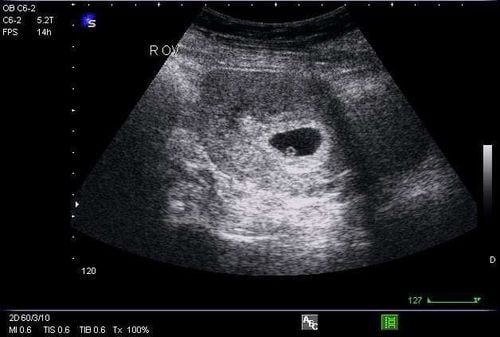
The fetal heartbeat begins at around the 6th to 7th week of pregnancy and gradually strengthens, becoming audible through ultrasound as the fetus develops. The fetal heartbeat is one of the key indicators of fetal health. So, is a weak fetal heartbeat dangerous? What should be done if the fetal heartbeat is weak?
1. What is a normal fetal heartbeat?
A normal fetal heartbeat ranges from 120 to 160 beats per minute (bpm). In the 5th to 6th week of pregnancy, the average heart rate may be around 110 bpm and gradually increases to approximately 170 bpm by the 9th to 10th week. By the 14th week, the fetal heart rate tends to decrease to about 150 bpm and further reduces to around 130 bpm in the final months of pregnancy.
2. Does a weak fetal heartbeat have any effects?
A weak fetal heartbeat is generally defined as a fetal heart rate below 110 bpm. Heart rhythm abnormalities can range from mild to severe, depending on gestational age, underlying causes, and the specific condition of the fetus, including any associated complications.
If you are concerned about whether a weak fetal heartbeat is dangerous, try to stay calm—psychological stress is not beneficial for expectant mothers. It is important to know that the likelihood of serious complications from fetal bradycardia is estimated to be only about 1-2% of cases. If the fetal heart rate is slower than average for the corresponding gestational age but is not accompanied by any other health issues, it can often resolve on its own without harming the baby or causing long-term effects.
However, in rare cases, severe and prolonged fetal bradycardia can be life-threatening, potentially leading to non-immune hydrops fetalis (NIHF), heart failure, or stillbirth. The slower and earlier the fetal heart rate drops during pregnancy, the higher the risk of miscarriage. In the first trimester, a weak fetal heartbeat increases the risk of miscarriage significantly. If the heart rate falls below 70 bpm, the risk of miscarriage is nearly 100%. At 90 bpm, the risk is 86%, and at below 120 bpm, the miscarriage risk is around 50%.

3. Causes of a weak fetal heartbeat
In many cases, a weak fetal heartbeat is associated with other medical conditions, including congenital fetal heart defects (neurological abnormalities, congenital heart defects), umbilical cord obstruction, fetal head compression in the pelvis, maternal connective tissue diseases (such as systemic lupus erythematosus), chromosomal abnormalities, uterine rupture, placental abnormalities, maternal heart or kidney disease, and diabetes.
Additionally, maternal nutrition and psychological factors can significantly impact fetal heart health, such as:
- Prolonged morning sickness, leading to poor maternal nutrition and weight loss, which affects fetal development and weakens the fetal heartbeat.
- Maternal gynecological conditions such as infections, tumors, or excessive and unsafe sexual activity during pregnancy.
- Overworking, lack of rest, especially in early pregnancy when many women are unaware they are pregnant, potentially affecting fetal development.
- Poor diet lacking essential nutrients like iron, protein, and calcium.
- Physical trauma to the abdomen during pregnancy.
- Maternal stress and anxiety, which can influence fetal development.
4. What should be done if the fetal heartbeat is weak?
4.1 Diagnosis of a weak fetal heartbeat
Fetal heart rhythm abnormalities are often diagnosed during routine prenatal ultrasounds or when a doctor listens to the fetal heartbeat.
If an abnormally slow heart rate is detected, an immediate comprehensive ultrasound should be performed to assess fetal health, including movement, muscle tone, and amniotic fluid levels, to determine if immediate delivery is necessary. Blood and urine tests may also be conducted to screen for maternal conditions that could cause fetal bradycardia.
4.2 What to do if no medical conditions require immediate intervention?
If immediate medical intervention is not required, doctors may recommend improving the weak fetal heartbeat through better nutrition and psychological well-being for the mother.
A well-balanced diet for pregnant women
To avoid unnecessary stress about whether a weak fetal heartbeat is dangerous, it is essential to take care of your health, strengthen your body, and educate yourself about pregnancy and child care before conception. Once pregnant, establish a well-balanced diet with essential nutrients:
- Protein intake: Protein is crucial for forming organs and tissues in the baby and increasing maternal blood supply. Foods rich in protein include meat, fish, eggs, dairy products, and legumes.
- Healthy fats: Especially unsaturated fats like omega-3 fatty acids, which are essential for brain development and immune function. In addition, fat also plays an important role in the cardiovascular system and immune system to ensure good health for pregnant mothers. Good sources of unsaturated fatty acids include salmon, mackerel, herring, flaxseeds, walnuts, spinach, and broccoli.
- Carbohydrates: Carbohydrates provide energy for both the mother and the baby and support fetal brain cell development. Pregnant women should consume whole grains and grain-based products.
- Iron supplementation: During pregnancy, maternal blood volume increases by 50% to support fetal development. To compensate, pregnant women need to consume 1000 mg of iron daily from supplements and iron-rich foods such as whole grains, animal liver, leafy greens, red meat, and beets.
- Folic acid: A deficiency in folic acid can lead to neural tube defects in babies. Women should take folic acid supplements before conception and during the first trimester, as recommended by a doctor. Foods rich in folic acid include avocados, whole grains, dark leafy greens, spinach, broccoli, and dairy products.
- Calcium and Vitamin D: A deficiency in Vitamin D reduces calcium and phosphorus absorption, leading to fetal rickets. Pregnant women need 800 IU of Vitamin D and 800–1000 mg of calcium daily. Vitamin D can be obtained from sun exposure and foods like fish, avocados, eggs, and dairy. Calcium-rich foods include cheese, seafood, and legumes.

Foods to avoid
- Rotten, sprouting, or moldy vegetables.
- Canned foods.
- Alcohol, caffeine, and carbonated beverages.
- High-fat and fast foods.
Maintaining a healthy lifestyle before and during pregnancy helps ensure maternal well-being. Pregnant women should:
- Avoid staying up late.
- Not smoke.
- Stay hydrated.
- Eat smaller, frequent meals instead of large portions.
- Avoid skipping meals.
- Engage in moderate physical activity.
- Attend prenatal check-ups regularly or as advised by a doctor.
- Managing stress during pregnancy
A mother’s emotions significantly affect fetal development. To reduce stress, expectant mothers should:
- Practice diaphragmatic breathing, which has been shown to reduce anxiety.
- Try yoga, meditation, or walking to improve mood.
- Regularly communicate and share concerns with loved ones.
- Educate themselves about pregnancy to avoid unnecessary worries.
The fetal heartbeat is an important indicator of fetal health. Therefore, regular prenatal check-ups or follow-ups as directed by a doctor can help detect any abnormalities early and ensure timely treatment to safeguard the baby’s health.
Read more:
- Is a fetal heart rate of 180 beats per minute at 9 weeks of pregnancy normal or abnormal?
- Is there any problem if a pregnant woman's heart rate is 120 bpm?
To arrange an appointment, please call HOTLINE or make your reservation directly HERE. You may also download the MyVinmec app to schedule appointments faster and manage your reservations more conveniently.