
The article is professionally reviewed by MSc, MD, Pham Lan Huong - Pediatrician at Vinmec Times City International Hospital
A child's height is influenced by many factors, with nutrition being one of the most crucial. Paying close attention to their diet can help them achieve optimal height growth.
1. The role of nutrition in child growth
Children are the future of a nation and the primary workforce in its development. A country's progress depends on a strong, intelligent population with good stature and physical health.
Nutrition is a key factor in a child's height growth. Studies worldwide indicate that height is influenced by multiple factors, including: Nutrition (32%), genetics (23%), physical activity (20%), environmental factors such as sunlight, health conditions, and sleep patterns, etc.
Children experience rapid height growth during their early years. As they grow older, this rate slows down. Providing adequate nutrition, particularly during pregnancy, early childhood, and primary school years, is essential for steady physical development and other critical functions such as mental and motor skills, preparing them for puberty growth spurts.
2. Stages for height development
There are three “golden” periods of rapid height growth that parents should pay attention to:
- Fetal stage: During the nine months of pregnancy, mothers should ensure proper nutrition, aiming for a weight gain of 10-12 kg to help the baby reach a birth height of 50 cm and a weight of around 3 kg.
From birth to 3 years old (with adequate nutrients):
- Year 1: Height increases by 25 cm.
- Years 2 and 3: Height increases by about 10 cm each year
- After 4 years old: Height grows an average of 5-6 cm per year until puberty.
Puberty:
- Puberty is the chance for maximal height growth in children. During this stage, nutrition is one of the key components to fully activate their growing potential.
- Girls grow 6-10 cm per year, peaking at 10-12 cm during puberty.
- Boys grow 7-12 cm per year, peaking at 12-15 cm during puberty.
- After puberty, height growth slows significantly to about 2-3 cm per year.

3. Nutrition regimen for maximum height growth
To ensure children reach their optimal height potential, parents should focus on three key growth phases and emphasize proper nutrition, which is one of the main factors influencing height development.
- During pregnancy and breastfeeding: Mothers should consume essential nutrients such as protein, iron, iodine, folic acid, and unsaturated fatty acids.
- Infancy (0-6 months): Exclusive breastfeeding is recommended, as breast milk provides abundant and easily absorbed calcium, crucial for height development.
- Weaning and beyond: Children need a balanced diet containing four essential nutrient groups: proteins, carbohydrates, fats, vitamins, and minerals. A diverse range of foods should be incorporated into their meals.
Bone growth and development: The elongation and strengthening of bones require calcium, phosphorus, and activators such as Vitamin D, Calcitriol, Osteocalcin, and Vitamin K2. Essential calcium-rich foods include shrimp, crab, fish, shellfish, eggs, milk, yogurt, and cheese. Vitamin K2 role: This vitamin helps prevent rickets and osteoporosis. Without Vitamin K2, calcium absorption may be inefficient and potentially harmful. It is found in foods like cheese, tofu (especially fermented Japanese Natto), butter, and egg yolks. Additionally, Vitamin K2 supplements in the MK7 form, derived from natural sources, are widely available.

4. Nutritional principles for pre-pubertal height growth
Ensuring adequate meals: Children should have three main meals and two additional snacks daily.
- Main meals: These should include a balance of carbohydrates, fats, proteins, vitamins, minerals, and fiber to support overall growth.
- Breakfast: This is the most crucial meal of the day, providing essential energy for learning and activities. Skipping breakfast may lead to hypoglycemia and negatively impact long-term physical development.
- Snacks: Nutrient-dense snacks like milk, sponge cake, sweet potatoes, and pudding can provide extra energy and nutrition.
Calcium intake:
- Calcium is vital for bone strength and height growth.
- Calcium-rich foods include milk, shellfish, shrimp, small fish (with bones), and crabs.
Lysine-rich foods:
- Lysine is an essential amino acid necessary for height growth.
- Since lysine is easily destroyed during food processing, a varied diet is necessary.
- Good sources include meat, fish, eggs, milk, and legumes.
Iron-rich foods:
- Iron is necessary for blood production. Iron deficiency can cause anemia, slow growth, and impair cognitive function.
- Sources include liver, blood pudding, eggs, meat, fish, beans, and leafy greens like amaranth.
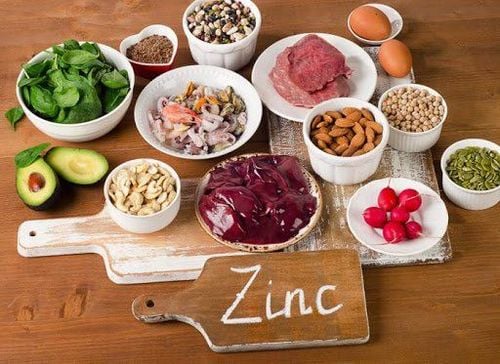
Zinc-rich foods:
- Zinc is essential for cell division and metabolism, promoting growth. Zinc deficiency can lead to poor appetite and stunted growth.
- Sources include oysters, clams, pork liver, milk, soybeans, beef, egg yolks, and fish.
Fruits and Vegetables:
Use iodized salt in cooking:
- Iodine is crucial for thyroid hormone production, which regulates growth.
- Iodine-rich foods include iodized salt, eggs, milk, sea fish, seaweed, and cheese.
Deworming: Parasitic infections are a common cause of iron deficiency anemia. Families should deworm children and household members twice a year to ensure proper nutrient absorption and overall health.
The above guide providea essential information on maximizing children's height growth through proper nutrition. Parents can apply these principles to ensure optimal development.
For children to be physically and mentally healthy, they need a well-balanced diet in terms of both quantity and quality. An imbalanced diet may lead to malnutrition-related disorders that can negatively impact a child’s comprehensive development, including physical, cognitive, and motor skills.
Children with poor eating habits risk micronutrient deficiencies, leading to loss of appetite, stunted growth, and poor nutrient absorption. If these signs are observed, parents should consider supplementing with lysine, essential vitamins, and trace elements like zinc, chromium, selenium, and B vitamins. These nutrients support digestion, enhance nutrient absorption, and improve appetite, ensuring children receive adequate nutrition for healthy growth.
To arrange an appointment, please call HOTLINE or make your reservation directly HERE. You may also download the MyVinmec app to schedule appointments faster and manage your reservations more conveniently.