Although red yeast rice has only recently appeared on pharmacy shelves, this type of rice has been recognized and highly valued for its medicinal properties for hundreds of years. As one of the leading natural remedies for high cholesterol, red yeast rice is among the few natural supplements that contain active ingredients similar to those found in prescription drugs.
1. What is red yeast rice?
Red yeast rice is a type of rice fermented using certain specific fungal strains. This rice is widely used in traditional Chinese medicine due to its powerful medicinal properties. Red yeast rice contains monacolin K, an active compound similar to the one found in prescription cholesterol-lowering drugs such as lovastatin. For this reason, red yeast rice is often used as an effective alternative to reduce the cost of expensive prescription medications that help lower cholesterol levels and support heart health.
Research also shows other beneficial effects of red yeast rice, such as reducing the growth of cancer cells, balancing blood sugar levels, and improving insulin function.
Today, red yeast rice is commonly sold as a non-prescription dietary supplement to help users manage cholesterol levels and improve the body's ability to fight disease.
2. Improving heart health
Heart disease is a serious condition that affects millions of people and is estimated to account for 31.5% of deaths worldwide. High cholesterol is one of the major causes of heart disease, which can lead to narrowing and hardening of the arteries, increasing the risk of heart attack and stroke. Red yeast rice is often used as a natural remedy to help lower cholesterol levels and improve heart health, typically with fewer side effects than prescription drugs used to treat high cholesterol.
A study conducted on 25 individuals found that using red yeast rice reduced total cholesterol by an average of 15% and lowered LDL ("bad") cholesterol by 21% within approximately two months of treatment.
Similarly, an eight-week study conducted on 79 participants showed that taking 600 mg of red yeast rice twice a day significantly reduced LDL cholesterol compared to the control group.
Furthermore, an analysis of 21 studies found that red yeast rice is effective in reducing total cholesterol and LDL cholesterol, as well as triglycerides and blood pressure, when combined with statin medications.

3. Treating Metabolic Disorders
Metabolic syndrome is a cluster of conditions that increase the risk of chronic diseases, such as heart disease, diabetes, and stroke. Some symptoms of metabolic disorders include high blood pressure, excess body fat, increased blood sugar levels, and sudden fluctuations in cholesterol or triglyceride levels.
Several studies have found that red yeast rice may help address some of these risk factors and can be used as a natural treatment to support the prevention of metabolic disorders. One of the most well-documented effects of this product is its ability to reduce cholesterol levels. Research shows that it is effective in lowering both total cholesterol and LDL cholesterol.
Another small-scale study lasting 18 weeks found that using supplements containing red yeast rice could lower blood sugar levels, insulin concentrations, and systolic blood pressure in individuals with metabolic syndrome.
Additionally, an eight-week study examined the effects of red yeast rice on mice fed a high-fat diet compared to a control group. The findings revealed that red yeast rice could prevent increases in cholesterol levels and body weight.
4. Anti-inflammatory Properties
Inflammation is a normal immune response that helps the body fight against acute infections and invading bacteria. However, chronic inflammation is believed to contribute to the development of chronic diseases, such as diabetes, cancer, and heart disease.
Studies show that red yeast rice supplementation can help reduce inflammation and promote long-term health. For example, a study on 50 individuals with metabolic disorders found that supplements containing red yeast rice and olive extract could reduce oxidative stress levels—one of the primary causes of chronic inflammation—by up to 20%.
5. Cancer Prevention
Although current research is limited to animal studies and in vitro experiments, some evidence suggests that red yeast rice may help inhibit the growth and spread of cancer cells.
One study found that supplementing red yeast rice in mice with prostate cancer significantly reduced the number of tumors compared to the control group.
Similarly, an in vitro study showed that treating prostate cancer cells with red yeast rice was more effective in slowing cancer cell growth than using lovastatin, a cholesterol-lowering drug with anti-cancer effects.
However, more clinical research is needed to evaluate the actual effects of red yeast rice on other types of cancer in humans.
6. Precautions and Side Effects of Red Yeast Rice

Monacolin K, a compound found in red yeast rice, is often extracted and used in statins and cholesterol-lowering drugs. This compound is credited with many of the health benefits of red yeast rice, particularly its cholesterol-lowering properties.
According to the FDA, red yeast rice products containing monacolin K should be classified as medications and are therefore subject to stricter regulations compared to standard over-the-counter dietary supplements.
Since 1998, the FDA has taken action against companies selling red yeast rice extract as an unapproved supplement. In recent years, many red yeast rice products have become widely available, with some manufacturers attempting to bypass FDA regulations by producing products containing only minimal amounts of monacolin K. However, these products often offer no real benefits or effects on the body.
Although red yeast rice provides numerous health benefits, improper use can lead to certain side effects. Common side effects include gastrointestinal issues such as bloating, nausea, and stomach pain.
In more extreme cases, red yeast rice can cause liver toxicity and allergic reactions, similar to the side effects of prescription cholesterol-lowering medications. For this reason, it is crucial to follow recommended dosages and purchase from reputable retailers to ensure product quality.
Due to the limited research on the long-term safety and effects of red yeast rice, it is not recommended for individuals currently taking statin medications or for pregnant and breastfeeding women.
7. Dosage
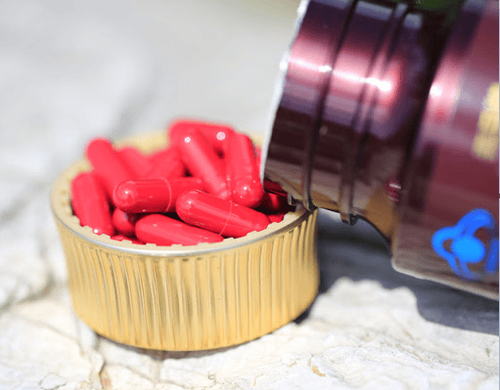
Red yeast rice is typically available in capsule or tablet form and is often combined with other ingredients, such as CoQ10, nattokinase, or omega-3 fatty acids. These supplements are widely available in health food stores, pharmacies, and online retailers.
A dosage ranging from 200 mg to 4,800 mg has been studied in clinical trials, typically containing around 10 mg of total monacolin. Most brands on the market recommend taking 1,200 mg per day, divided into two to three doses. However, due to the risk of side effects and safety concerns related to red yeast rice extract, consumers should consult a doctor to determine the appropriate dosage for their body.
Reference article: Healthline.com
To arrange an appointment, please call HOTLINE or make your reservation directly HERE. You may also download the MyVinmec app to schedule appointments faster and manage your reservations more conveniently.