White vinegar is widely used in households due to its versatility. It is not only a cleaning agent but also offers various health benefits and enhances the flavor of dishes.
1. What Is White Vinegar and How Is It Made?
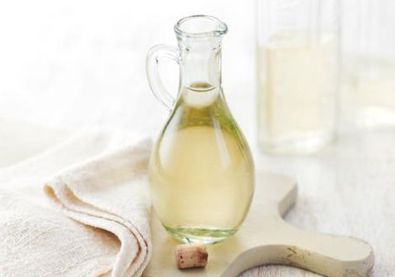
Standard white vinegar is a clear liquid that contains 4–7% acetic acid and 93–96% water. Some types of white vinegar contain up to 20% acetic acid, but these are strictly for cleaning or agricultural use and should not be used in cooking.
Historically, white vinegar was produced through the fermentation of foods such as beets, potatoes, sugar, honey, or whey. The specific method of production often depended on the locally available ingredients. Today, most white vinegar is made by fermenting grain alcohol (ethanol). Since ethanol lacks natural nutrients, additional ingredients such as yeast or phosphate are added to initiate bacterial fermentation.
2. How Is White Vinegar Used in Cooking?
White vinegar has many applications in cooking and food processing. While it is not meant to be consumed directly, it is an essential ingredient for certain dishes and food preservation. Here are some common ways to use white vinegar in the kitchen:
- Pickling: When combined with spices and water, white vinegar serves as an excellent base for quick pickles made from vegetables, fruits, and even eggs.
- Salads: A few drops of white vinegar can enhance the distinctive flavors of certain traditional salads. Start with a small amount and taste before adding more -too much vinegar can overpower the dish.
- Sauces & Marinades: White vinegar adds depth to sauces and serves as a tenderizer for meats, seafood, and vegetables, making it a useful ingredient in marinades.
- Baking: White vinegar can be used with baking soda as a leavening agent in baked goods. The acid in vinegar reacts with the alkaline baking soda, releasing carbon dioxide and improving texture and flavor.
- Cheese Making: Some types of cheese are made using milk and white vinegar. The acidity in vinegar alters the milk proteins, causing the milk to curdle and separate into curds and whey. This process results in a light, soft, and delicious cheese.

3. Health Benefits of White Vinegar
White vinegar also offers several potential health benefits:
- Blood sugar control: Studies have shown that consuming vinegar can lower blood sugar levels and insulin response after meals.
- Weight management: Research suggests that vinegar helps prolong the feeling of fullness by slowing gastric emptying, leading to reduced calorie intake and weight loss over time.
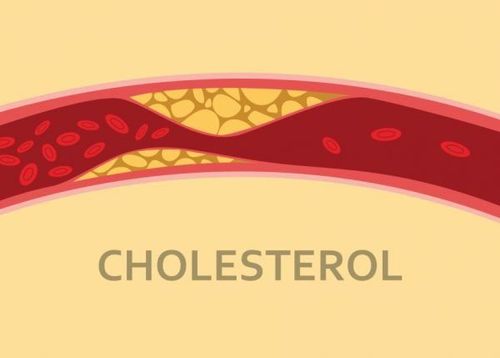
- Cholesterol reduction: Animal studies indicate that vinegar may help lower cholesterol levels, as observed in mice that were given vinegar in their diet.
- Antibacterial properties: Due to its natural antibacterial effects, vinegar may be beneficial for treating infections such as nail fungus, warts, and ear infections. It is also a topical remedy for skin infections and burns.
4. Everyday Applications of White Vinegar
Due to its antibacterial properties, white vinegar is commonly used as a household disinfectant and surface cleaner for various household items and appliances.
Common surfaces and objects that can be cleaned with white vinegar include:
- Countertops
- Showers and bathtubs
- Toilets
- Floors
- Dishes
- Windows
- Mirrors
- Coffee makers
- Laundry (for stain removal)
White vinegar can also be used in gardening. It serves as a natural weed killer and helps keep cut flowers fresh for a longer time when added to vase water.
For household cleaning, a 50/50 ratio of vinegar and water is most effective. To remove weeds, undiluted white vinegar should be used.

5. Important Precautions When Using Vinegar
Although white vinegar is generally safe, excessive consumption of any substance - even a beneficial one - can lead to adverse effects.
- Consuming too much vinegar can worsen symptoms of inflammatory conditions in the upper digestive tract, such as heartburn or indigestion.
- Excessive intake of acidic foods like vinegar may lead to tooth enamel erosion. Some studies suggest that white vinegar can be more damaging to teeth compared to other types of vinegar.
- Additionally, research indicates that vinegar may interact with blood sugar control medications or cardiovascular drugs, potentially causing low blood sugar or low potassium levels.
Reference source: healthline.com
SEE MORE
Good and bad sushi for your health Avocado nutritional value Nutritional value of almonds
To arrange an appointment, please call HOTLINE or make your reservation directly HERE. You may also download the MyVinmec app to schedule appointments faster and manage your reservations more conveniently.