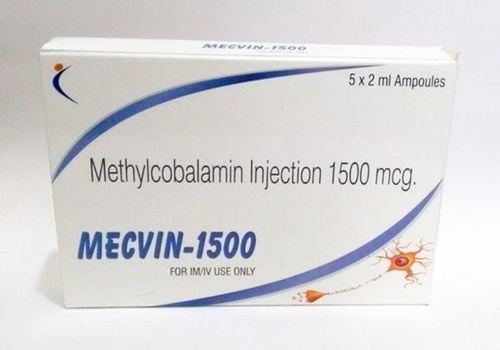
Vitamin B complex plays a crucial role in various bodily functions and significantly impacts overall health. It consists of multiple types of B vitamins, each with distinct roles. Since the human body cannot produce these vitamins, food is the primary source of B vitamins.
1. What Is Vitamin B Complex?
Vitamin B complex consists of eight essential B vitamins:
- B1 (Thiamine)
- B2 (Riboflavin)
- B3 (Niacin)
- B5 (Pantothenic Acid)
- B6 (Pyridoxine)
- B7 (Biotin)
- B9 (Folic Acid)
- B12 (Cobalamin)
Each of these vitamins plays a vital role in maintaining bodily functions.
2. Benefits of Vitamin B Complex
Vitamin B plays a critical role in maintaining physical and mental health. As the building blocks of a healthy body, B vitamins directly impact energy levels, brain function, and cellular metabolism.
Overall Health Benefits of Vitamin B Complex:
- Supports cellular health.
- Promotes red blood cell production.
- Boosts energy levels.
- Enhances vision health.
- Maintains proper brain function.
- Aids digestion.
- Regulates appetite.
- Ensures proper nervous system function.
- Assists in hormone and cholesterol production.
- Promotes heart health.
- Supports cellular health.

2.1. Benefits for Women
Vitamin B is particularly essential for pregnant and breastfeeding women, as it:
- Supports fetal brain development.
- Reduces the risk of birth defects.
- Helps increase maternal energy levels.
- Reduces nausea.
- Lowers the risk of preeclampsia.
2.2. Benefits for Men
- Vitamin B is believed to help increase testosterone levels, which naturally decline with age.
- It may also assist in muscle building and strength enhancement, though further research is needed.
B vitamins have different functions. In addition, they come from different foods. Experts recommend that everyone should have a balanced diet of these vitamins, especially children. Here are some common B vitamins and the health benefits of each type.
2.3. Functions of Specific B Vitamins
Vitamin B1 (Thiamine) & B2 (Riboflavin):
- Converts food into energy.
- B1 supports nervous system health.
- B2 maintains vision health.

The best sources of vitamins B1 and B2 are whole grains. Vitamin B2 can also be found in milk, eggs and dark green vegetables. The foods we eat every day contain a lot of vitamins B1 and B2, so the risk of deficiency is quite low. However, alcoholics often lack vitamins B1 and B2.
2.4. Vitamin B3 (Niacin)
- Aids digestion and metabolism.
- Enhances appetite.
- Found in: Chicken, fish, liver, red meat, whole grains, and legumes.
- Deficiency symptoms: Nausea, tingling sensations, and, in severe cases, cognitive impairment.
2.5. Vitamin B6 (Pyridoxine)
- Converts food into energy.
- Boosts immune function.
- Essential for fetal brain development in pregnant women.
- Found in: Green beans, tuna, salmon, whole grains, beef liver, chicken breast, watermelon, potatoes, and spinach.
- Deficiency symptoms: Anemia, skin rashes, mouth cracks, depression, nausea, fatigue, and increased infection risk.

2.6. Vitamin B9 (Folic Acid)
- Promotes red blood cell production.
- Reduces the risk of fetal defects.
- Found in: Meat, whole grains, beets, citrus fruits, fish, fortified cereals, legumes, leafy greens, liver, and kidneys.
- Deficiency risks: Diarrhea, anemia, and birth defects if lacking during pregnancy.
2.7. Vitamin B12 (Cobalamin)
- Supports nervous system regulation.
- Aids growth and red blood cell formation.
- Vitamin B12 can be found in meat and dairy products, so vegetarians are often susceptible to vitamin B12 deficiency. Supplements are the only source of vitamin B12 for vegetarians.
- Vitamin B12 can be found in eggs, cheese, milk, fish, shellfish, crustaceans, liver, kidney, red meat.
- Deficiency symptoms: Anemia, confusion (especially in the elderly), dementia, depression, behavioral disorders, and irreversible nerve damage.
- Other symptoms: Tingling in hands and feet, fatigue, weakness, and irritability.

3. Recommended Daily Intake of B Vitamins
For Women: Daily dosage
- B1: 1.1 mg
- B2: 1.1 mg
- B3: 14 mg
- B5: 5 mg
- B6: 1.3 mg
- B7: 30 mcg
- B9: 400 mcg
- B12: 2.4 mcg
For Men:
- B1: 1.2 mg
- B2: 1.3 mg
- B3: 16 mg
- B5: 5 mg
- B6: 1.3 mg
- B7: 30 mcg
- B9: 400 mcg
- B12: 2.4 mcg
Older adults and pregnant women need higher amounts of vitamin B. Your doctor will advise you on the dosage that is right for your individual needs. Some underlying health conditions can prevent your body from absorbing vitamin B. You should consult your doctor about your vitamin B intake if you have any of the following conditions:
- Celiac disease
- HIV infection
- Crohn’s disease
- Alcoholism
- Kidney disease
- Rheumatoid arthritis
- Ulcerative colitis
- Inflammatory bowel disease (IBD)

4. Side Effects of Excessive Vitamin B Intake
You can't get much of the B vitamins from your daily diet. That's because the B vitamins are water-soluble. That means they're not stored in your body because they're excreted through your urine every day.
Overconsumption is rare when obtained from food.
Excess intake only occurs with high-dose supplements taken without medical guidance.
Symptoms of Vitamin B Overdose:
- Increased thirst
- Skin disorders
- Blurred vision
- Abdominal pain
- Nausea & vomiting
- Frequent urination
- Diarrhea
- Skin flushing (redness)
- Increased thirst
Seek medical attention if you experience these symptoms due to excessive vitamin B intake. You should also consult your doctor if you are taking supplements without being diagnosed with a deficiency. Long-term excessive intake of B-complex vitamins can lead to nerve damage, which may result in loss of muscle control.
It is essential to seek medical advice before taking any additional supplements. You can discuss your health goals and the reasons why you believe supplementation is necessary. Your doctor can help determine whether supplementation is the best option and guide you on the next steps. Some supplements may interact with certain medical conditions or medications, so it is crucial to inform your doctor before deciding to take them.
Additionally, if you suspect a vitamin B deficiency, you should see a doctor. They can identify the underlying cause of your symptoms and, if needed, recommend ways to enhance your body's vitamin B intake.
Article referenced source: healthline.com
To arrange an appointment, please call HOTLINE or make your reservation directly HERE. You may also download the MyVinmec app to schedule appointments faster and manage your reservations more conveniently.