

Consulted by: Dang Thi Ngoan, Resident, Specialist I, MD - Department of Pediatrics - Neonatology, Vinmec Ha Long International General Hospital
Premature birth is one of the pregnancy complications that significantly impacts newborns, particularly those born extremely premature. The development of infants born at 26 weeks of gestation is quite cautious and depends on the healthcare capacity of each country and many other factors.
1. What is extremely premature birth?
A normal pregnancy typically lasts between 40 to 42 weeks. Pregnancies that end and deliver a baby before 28 weeks for any reason are termed extremely premature. The prognosis for survival decreases as the gestational age decreases.
- Infants born before 28 weeks are called extremely premature.
- Infants born between 28 and 32 weeks are considered very premature.
- Infants born between 32 weeks and 33 weeks and 6 days are said to be moderately premature.
- Infants born between 34 weeks and 36 weeks and 6 days are classified as late preterm.
The prognosis for extremely premature infants is very poor. The timing of birth is a crucial factor in treatment and intervention. The more premature a baby is, the higher the likelihood of serious complications. Each additional week of gestation significantly improves survival rates.
Doctors do not always know the causes of extremely preterm birth or how to prevent complications from preterm delivery. Moreover, research on the survival rates of preterm infants still has many limitations.
Results of studies vary widely depending on the country, as well as factors relating to race and the weight of the newborn at birth. However, the survival rates for extremely premature infants and those with neurological developmental complications have significantly improved since 2000.
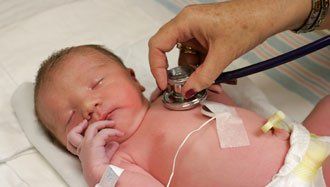
2. Development of Infants Born Prematurely at 26 Weeks
2.1. Survival Chances of Infants Born at 26 Weeks
A baby born between 20 to 26 weeks is considered to have a chance of survival or is born during the window period when the fetus begins to have a chance of surviving outside the womb. However, the survival rate is not high. Experts at the University of Utah state that a child born before 24 weeks has less than a 50% chance of survival.
Nonetheless, according to a 2016 analysis of over 8,300 births in the United States, infants born at 24 weeks had a 68% survival chance. A 2016 cohort study of over 6,000 births showed a survival rate of 60%. (Utah Health recorded survival rates of 60 to 70 percent for this gestational age.)
Extremely premature infants may face several timeframes, and at times families must make difficult choices. Fortunately, advancements in medicine mean even the smallest babies can grow stronger in neonatal intensive care units (NICUs).
The Ireland Neonatal Health Alliance reports that approximately 40% of infants born at 26 weeks will face health issues. Some complications may arise immediately, while others may appear later in life.
If a newborn is born at 26 weeks, they are still considered "extremely premature." However, many improvements can occur in fetal development within just a few weeks, increasing the chances of survival.
Infants born at 26 weeks have a survival rate of 89% in a 2016 analysis and 86% in a cohort study in 2016.
A significant difference contributing to the increased survival rate at 26 weeks compared to 24 weeks is the development of the baby's lungs. By around 26 weeks of gestation, the lower part of the baby's lungs has developed and formed small air sacs called alveoli. While the baby is still too premature to breathe independently, their lungs will be more developed and healthier. They will still need to be in an incubator for warmth with breathing tubes to help supply oxygen.
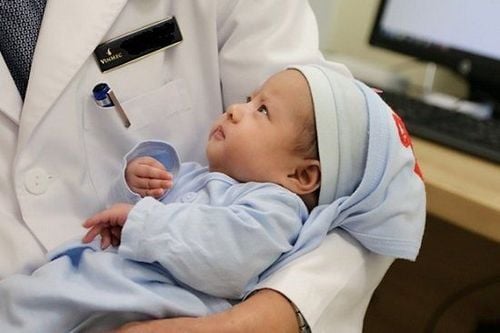
2.2. Characteristics of Infants Born Prematurely at 26 Weeks
At 26 weeks gestation, a baby measures approximately 35 cm and weighs around 760 grams. However, premature infants are often smaller for their age. A baby born at 26 weeks might fit entirely in a parent's hand. At this age, the primary tasks for these premature infants are to grow, sleep, and become more stable medically in the external environment.
Sometimes the baby may open their eyes but cannot focus. Light or other visual stimuli can stress the baby's body system. Doctors often cover the incubator to minimize exposure to bright lights.
Doctors often cover the incubators of babies and some neonatal intensive care units (NICU) to dim the lights at night.
Babies often exhibit jerky, twitching, or startling movements. Their bodies do not yet have much toned muscle and cannot curl up. The healthcare staff will place the baby in a curled position, supporting the baby's body with pillows and keeping them warm. This helps the baby conserve energy.
Premature infants often face respiratory issues because, at this stage, their respiratory organs are not fully developed, which means they may experience episodes of apnea. This is common among premature babies. Breathing is regulated by a part of the brain that isn't fully developed, so pauses between breaths are typical.
The auditory structures and ears of the baby have formed fully, but they can be very sensitive to outside noise. Your baby may recognize your voice but still cannot respond to you. They are not yet able to breastfeed.
The baby's skin is delicate and sensitive. Nurses may encourage you to "hold" the baby to increase their sense of comfort, but not to stroke them.
3. Complications for a 26-week-old premature baby
About 20% of babies born at 26 weeks may still face some health issues as they grow up. These may include problems with vision, hearing, learning, cognition, behavior, and social skills. Babies born at 26 weeks can also develop cardiovascular issues.
3.1. Skin and body temperature regulation
Premature babies must be placed in an incubator (like a mobile womb) immediately to keep them warm. Extremely premature infants like these have not yet had the chance to develop brown fat—the type of fat just beneath the skin that helps increase the body's ability to retain heat. Their skin at this stage will also be extremely thin and fragile.
3.2. Respiratory problems
The lower lungs and airways of the baby begin developing around 24 weeks. For a 26-week-old baby, the lower lungs have developed further but are still not fully mature. Thus, this increases the likelihood of survival for babies born at 26 weeks compared to those born at 24 weeks. However, babies born at this time will need assistance with breathing.
3.3. Vision problems
At around 26 weeks in the womb, the baby's eyes are still tightly shut. Their eyelids and eyes have not developed enough to open yet. Your baby will need soft cotton or gauze placed over their eyes to protect them from light and help their vision continue to develop.
In some cases, the baby's eyes may not develop as expected, which can lead to vision problems or even blindness later on.
Additionally, some babies may require high-dose oxygen therapy, which can also cause complications with their eyesight later.
3.4. Hearing problems
A premature baby has fully formed ears. Your baby may start hearing sounds from the outside around 18 weeks. However, their eardrum is still very delicate and sensitive at 26 weeks. Some preterm infants may have hearing problems or be deaf.
3.5. Other issues
Some extremely premature infants may encounter problems affecting the brain and nervous system, some of which can be severe. Complications include cerebral palsy, learning issues, and behavioral problems.
Newborns, especially premature babies, are generally more prone to respiratory diseases, respiratory infections, and digestive infections if they are weaned too early or if the storage and preparation of milk are not safe. To protect the health of the baby, parents should ensure exclusive breastfeeding for the first six months (if possible) and follow vaccination schedules. As soon as any symptoms like decreased appetite, fatigue, or irritability appear, the baby should be taken to the hospital for consultation and treatment from specialized doctors.

To prevent illnesses that newborns are prone to, parents should pay attention to a nutrition regimen that enhances the baby's immune system. Additionally, incorporating supportive foods containing lysine, essential trace minerals, and vitamins like zinc, chromium, selenium, and B vitamins can help bolster the immune system so the child is less prone to illness and digestive issues.
Parents can learn more about:
- Why lysine supplementation is important for babies
- The role of zinc - Guidelines for proper zinc supplementation
Make sure to regularly visit the website Vinmec.com for useful information to care for your baby and your family!
Read more:
- Is it difficult to raise a 7-month premature baby?
- Is there a possibility of miscarriage if a fetus is not detected at 8 weeks of gestation?
To arrange an appointment, please call HOTLINE or make your reservation directly HERE. You may also download the MyVinmec app to schedule appointments faster and manage your reservations more conveniently.