When it comes to the risk of HIV transmission, the most important thing is to be aware of the symptoms of the disease. Early detection of HIV allows patients to receive timely treatment to control the virus and prevent the risk of progressing to stage 3 HIV. Stage 3 HIV is commonly referred to as AIDS. Early treatment with antiretroviral drugs not only controls the attacking virus but also prevents transmission to others.
1. Symptoms of HIV in the early stage
The signs in individuals infected with the HIV virus in the early stage often have symptoms similar to those caused by the flu. At this stage, the virus begins to enter the bloodstream and starts to replicate in large numbers. Symptoms include:
- Headache
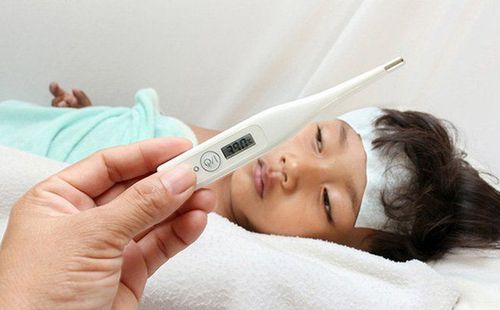
- Fever
- Fatigue
- Swollen lymph nodes, especially in the neck and groin, occurring 2-4 weeks after infection
- Sore throat
- Oral thrush
- Rash
- Muscle and joint pain
- Mouth ulcers
- Genital sores
- Night sweats
- Diarrhea
- Drowsiness
- Nausea
Patients infected with the virus during this stage may experience a mild fever ranging from 37.5 to 38.5 degrees Celsius a day after infection. These symptoms usually last for about a month. This stage is also referred to as the window period because standard screening tests cannot detect the disease.
These symptoms usually appear within 1-2 months after infection, although they can appear as early as 2 weeks after exposure. Furthermore, some people may not show any signs when infected with HIV. At the same time, these symptoms can resemble those of other common illnesses. To be sure whether you are infected with HIV or not, you need to go to a medical facility to undergo the necessary tests.
Symptoms may not manifest clearly for 10 years, but that does not mean the virus has disappeared. HIV is a manageable health condition, but if left untreated, it can progress to stage 3 even in the absence of any symptoms.
2. Symptoms of AIDS
Symptoms indicating that an HIV patient may have progressed to stage 3 - AIDS include:
- High fever
- Chills and night sweats
- Rash
- Shortness of breath and persistent cough
- Severe weight loss
- White spots in the mouth
- Genital ulcers
- Frequent feelings of fatigue
- Pneumonia
- Memory loss
3. Stages of HIV
Depending on the stage of HIV, the symptoms can vary.
The first stage of HIV is called the acute stage or primary stage. During this stage, most patients experience flu-like symptoms that can be difficult to distinguish from gastrointestinal or respiratory infections.
The next stage is the clinical stage 2. The virus becomes less active, although it is still present in the body. At this stage, the patient does not experience any additional symptoms because the virus is progressing at a very low level. This period can last for a decade or longer.
The final stage of HIV is stage 3. In this stage, the immune system is severely damaged and is vulnerable to opportunistic infections. The immune system is almost completely destroyed, and the patient is at high risk of death due to opportunistic infections. As HIV progresses to stage 3, symptoms related to infections also become more pronounced.
These symptoms include:
- Nausea
- Vomiting
- Fatigue
- Fever
- Rapid weight loss
Symptoms related to HIV, such as memory impairment, also become apparent. HIV can be transmitted as soon as it enters the body. At this stage, the blood contains a higher concentration of HIV, making it easier for the virus to be transmitted to others.
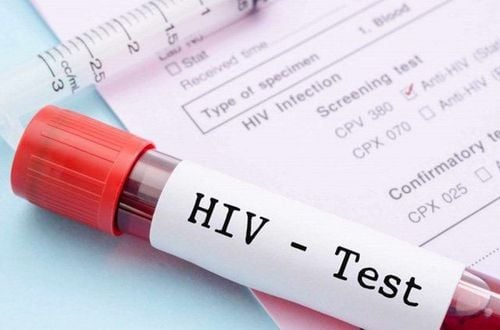
Not everyone shows early symptoms of the HIV virus, so testing is the only way to know if one is infected with the HIV virus or not. Early diagnosis helps HIV-infected individuals receive timely treatment. Proper HIV treatment can eliminate the risk of transmitting the virus to partners.
When it comes to HIV symptoms, they do not always manifest clearly for the patient to detect. Many HIV symptoms, especially the most severe ones, arise from opportunistic infections.
When the immune system in patients is not compromised, the infection status is not affected. However, when the immune system is weakened, this virus attacks the body and causes disease. Patients who are asymptomatic in the early stages of HIV infection, if the virus progresses, the symptoms of the disease will begin to become more apparent.
HIV testing is very important because a person infected with HIV who is not treated can still transmit the virus even if they show no symptoms. However, with current treatment methods, the risk of transmitting the virus to a partner can be eliminated. Treating the HIV virus with medication can suppress the virus.
Getting an HIV test is the only way to determine whether the virus is present in the body. Some factors that increase the risk of HIV transmission include unprotected sex or sharing needles.
Vinmec International General Hospital is one of the hospitals that not only ensures professional quality with a team of doctors and modern technological equipment but also stands out for its comprehensive and professional examination, consultation, and treatment services. The hospital provides a civilized, polite, safe, and maximally sterilized environment for medical care. Customers choosing to undergo tests here can be completely assured of the accuracy of the test results.
To arrange an appointment, please call HOTLINE or make your reservation directly HERE. You may also download the MyVinmec app to schedule appointments faster and manage your reservations more conveniently.