
Medically reviewed by MSc, Resident Doctor Đặng Thị Ngoan – Pediatric and Neonatal Doctor, Department of Pediatrics and Neonatology, Vinmec Ha Long International Hospital
Heat rash is a common skin condition in children, especially during hot summer weather. It appears as small red bumps or blisters, which may cluster in patches or spread across the body. Heat rash causes itching, prompting children to scratch, which can lead to skin irritation and bacterial infections.
1. Causes of Heat Rash in Children
Heat rash in young children is commonly caused by the following factors:
- Environmental Factors: Hot, humid summer weather with little airflow can cause excessive sweating, polluted environments, and trapped sweat and dust can irritate the skin, causing heat rash all over the body or localized, itching, and scratching, which may lead to skin damage and infection.
- Wearing non-breathable fabrics or excessive layers of clothing and diapers
- Children with a family history of allergies from grandparents, or parents are more prone to heat rash, particularly those under 2 years old.
- Poor Hygiene Practices: Infrequent bathing or inadequate skin care, especially in skin folds like the neck, armpits, and groin, can cause sweat buildup and heat rash on the neck. Conversely, bathing too frequently may strip the skin of protective ceramides, causing dryness, itching, and the formation of red bumps or blisters. Scratching with unwashed hands further increases the risk of skin infections.
- Exposure to Irritants: Using harsh soaps, body washes, or chemicals with an unsuitable pH level can trigger skin inflammation.
- Not drinking enough water can reduce the body's ability to detoxify, leading to skin irritation, especially in hot weather, and increased sweating raises the body's water demand.
2. Common Areas Where Heat Rash Appears in Children
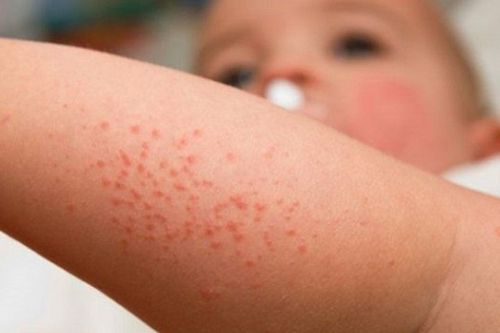
Heat rash in children frequently occurs on the forehead and scalp. Additionally, in skin folds such as the neck, armpits, and groin, poor hygiene and excessive sweating create ideal conditions for heat rash on the neck to develop. In some cases, heat rash may also appear on the back, legs, or even spread across the entire body.
3. How to Prevent Heat Rash in Children
A child's living environment should be well-ventilated and cool. Avoid overdressing the child or wrapping them in thick blankets in a closed room all day, as this can hinder skin respiration.
Bathe the child regularly with cool water daily (if the child sweats a lot or the weather is too hot, bathing 1-2 times per day is recommended). When bathing, pay special attention to cleaning skin folds and creases such as the elbows, neck, armpits, and groin to prevent heat rash on the neck. Avoid using soaps or shower gels with an unsuitable pH that may irritate the child's skin. Instead, gentle cleansing can be done using diluted lemon water, perilla leaf water, crushed peach leaves, or blended bitter melon water. When scrubbing the skin, use soft gauze or a cotton towel; for younger children, gently rub with the palm of your hand. Do not use crushed herbal residues, rough brushes, loofahs, or coarse cloths to scrub the skin, as this may aggravate itching, damage the skin, and lead to infections or severe dermatitis.
Dress the child in soft, breathable fabrics that absorb sweat easily to prevent heat rash on the back and other areas like the chest.
Ensure the child consumes cooling foods such as kudzu root, black beans, and malabar spinach. Provide adequate hydration, especially with beverages that cool the body and are rich in vitamin C, such as pennywort juice, orange juice, and lemon juice, to help prevent heat rash during summer.
If the child develops heat rash all over the body or in specific areas, talcum powder can be applied 2-3 times a day. Talcum powder contains talc and zinc oxide, which help absorb moisture and keep the skin dry. Choose talcum powder with antiseptic and astringent properties to prevent skin infections. Avoid purchasing antibiotic ointments, as their vaseline content can clog pores, trap heat, and lead to dermatitis.

Do not squeeze or pop heat rash blisters, as this is an unhygienic habit that increases the risk of infection. Proper treatment should involve using the right medication under a doctor’s guidance.
Children also need an adequate daily intake of elemental zinc to improve their appetite and achieve optimal height and weight. Zinc plays a crucial role in nearly all biological processes in the body, particularly in the synthesis and breakdown of nucleic acids and proteins. A zinc deficiency can lead to neurological disorders, irritability, and other health issues. Therefore, parents should learn about the importance of zinc and ensure appropriate supplementation for their children.
Besides zinc, parents should also supplement other essential vitamins and minerals such as lysine, chromium, and B vitamins to promote a healthy appetite, strengthen the immune system, and enhance resistance against illnesses.
Visit Vinmec.com regularly for more valuable information on caring for your child and family!
To arrange an appointment, please call HOTLINE or make your reservation directly HERE. You may also download the MyVinmec app to schedule appointments faster and manage your reservations more conveniently.