1. Standard Weight and Height Metrics for an 8-Month-Old Child
According to the World Health Organization (WHO), the weight and height parameters for male infants at 8 months are as follows:
- Normal weight is approximately 8.6 kg;
- The child is considered malnourished if weight is below 7 kg;
- There is a high risk of malnutrition if weight is below 7.7 kg;
- The risk of obesity arises when weight exceeds 9.6 kg, and the child is classified as obese at 10.5 kg or more;
- The average height for male infants at 8 months is about 68.3 cm.
For female infants aged 8 months, the WHO benchmarks are:
- Normal weight is around 7.9 kg;
- Malnutrition is indicated at a weight of 6.3 kg or less;
- At risk of malnutrition if weight is below 7 kg;
- Female infants at risk of obesity weigh over 9 kg, while obesity is defined at 10 kg or more;
- The average height for female infants at 8 months is approximately 68.7 cm.
2. Optimal Dietary Choices for Height and Weight Development in an 8-Month-Old
Before addressing the question of what an 8-month-old should eat to achieve optimal height and weight, parents must understand the factors influencing growth as well as the nutritional requirements specific to this age group.
Numerous credible studies globally have confirmed that human height is influenced by a multitude of factors, with nutrition accounting for 32% of this variance. Subsequent influencing factors include genetics (23%), physical activity levels (20%), living environment, sunlight exposure, health conditions during growth, and sleep quality.

2.1. Nutritional Needs of an 8-Month-Old Infant
Many caregivers wonder what an 8-month-old should eat to promote weight gain. To address this concern, it is essential for parents to recognize the necessary nutritional requirements for infants at this developmental stage.
At 8 months, an infant's nutritional needs surpass those of the earlier months. While breast milk remains a primary source of nutrition, it is imperative for parents to introduce supplementary nutrition through weaning meals to support comprehensive development—both physical (weight and height) and cognitive.
Key nutrients that should be incorporated into the weaning diet of an 8-month-old include:
- Protein: Also known as macronutrients, proteins are critical for brain development and enhancing immune function. Proteins are fundamental for sustaining the life of every cell in the body. Insufficient protein intake poses a risk of malnutrition; however, excessive intake can adversely affect the child's health. Thus, caregivers must be mindful to balance protein incorporation according to the child’s needs.
- Iron: This essential trace element is pivotal for the formation of blood cells. Iron is abundant in red meat, dark green vegetables, legumes, and cereals. Iron deficiency may lead to malnutrition, stunted growth, fatigue, and delayed development.
- Zinc: Among the critical trace elements, zinc plays a vital role in the developmental process during the early years of a child's life. Zinc deficiency increases susceptibility to infections.
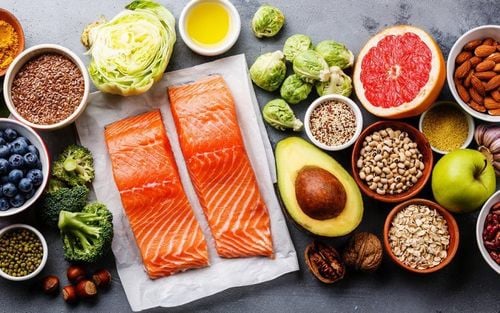
- Omega-3 Fatty Acids: This beneficial fatty acid is linked to numerous positive outcomes for brain development. Additionally, Omega-3 fatty acids have demonstrated advantages for various bodily systems, including the eyes, cardiovascular system, and skin. For weight gain, it is essential to include foods rich in Omega-3 in the weaning diet, such as oily fish, seaweed, and certain nuts (e.g., walnuts, chia seeds). These can be prepared by grinding them into powders or incorporating them into porridge.
- Vitamins: Vitamins such as C, A, and D are crucial for the growth of height and weight in an 8-month-old child. Vitamins play a role in metabolic processes, enzyme synthesis, and the utilization and metabolism of nutrients. Adequate vitamin supplementation is a primary consideration in determining what an 8-month-old should consume to foster height and weight development.
2.2. What Should an 8-Month-Old Child Eat to Gain Weight?
To promote weight gain, parents should feed the child 5-6 meals per day (including 3 main meals and 2-3 supplementary meals). It is important to maintain breastfeeding regularly according to the child's demands and establish a reasonable eating schedule. The following is a suggested timeline for an 8-month-old infant:
- Breakfast: at 8:00 AM;
- Supplementary meal: at 10-11 AM;
- Lunch: at 1:00 PM;
- Supplementary meal: at 3-4 PM;
- Dinner: at 6:00 PM;
- Supplementary meal: at 9:00 PM.
At the age of 8 months, infants are undergoing rapid physical and cognitive development; therefore, each meal must provide adequate energy and essential nutrients to facilitate consistent weight gain while ensuring the diet includes a balance of carbohydrates, protein, fats, vitamins, and minerals. The recommended food intake for an 8-month-old infant aiming to gain weight may include:
- Milk: 600 ml (breast milk or formula);
- Fat: 15-20 g (approximately 4-6 teaspoons);
- Vegetables: 50-80 g;
- Ripe fruits: 60-100 g;
- Rice (porridge, powder): 75-90 g;
- Protein: 45-50 g; when incorporating eggs, both egg whites and yolks should be included. Additionally, parents should aim to include approximately 45-50 g of lean meat in the complementary feeding menu for the 8-month-old infant each day.
Some considerations when developing the complementary feeding regimen concerning what an 8-month-old child can eat to gain weight include:
- Breast milk remains the primary source of nutrition; thus, under optimal conditions, mothers should not completely wean the child and should provide approximately 600-800 ml of breast milk per day;
- Limit the introduction of excessive amounts of meat, fish, eggs, and dairy, as this can be counterproductive and negatively impact liver and kidney function, ultimately affecting the child's health;
- During the preparation of complementary meals, parents should minimize the use of seasonings to help the child develop taste sensitivity while fostering a preference for bland foods, which is protective of the child's health;
- The ideal ratio for cooking porridge for the infant is 10 g of rice to 70 ml of water;
- Add a small amount of fat when preparing complementary meals for the 8-month-old infant. However, caution should be taken to only use an appropriate amount, avoiding excessive quantities;
At 8 months of age, in addition to supplementary foods, parents should prepare a diverse and varied diet to alter taste preferences and stimulate appetite for improved weight gain in the infant.

2.3. What should an 8-month-old child eat to promote height growth?
Addressing the question of what an 8-month-old child should consume to enhance height growth fundamentally depends on the prerequisite that the child must gain sufficient weight. A normally developing child should achieve average height and weight proportions for their age.
Research has demonstrated that nutritional factors play a paramount role in determining height in children. Therefore, it is essential for the child to receive an adequate supply of requisite nutrients for height development, most notably proteins, calcium, iron, iodine, folic acid, and unsaturated fatty acids.
Parents should construct a dietary regimen for the child that is scientifically informed, age-appropriate, and aligned with suitable portion sizes. Instances of nutrient deficiencies or excesses can lead to undesirable consequences, such as malnutrition or obesity.
To facilitate optimal height development, in addition to breastfeeding, the dietary routine for an 8-month-old should ensure comprehensive inclusion of essential nutrient groups: proteins, carbohydrates, fats, vitamins, and minerals. While preparing complementary food, parents must understand the nutritional needs indicated above and strive to diversify meal options to prevent monotony, which may lead to a lack of appetite in young children.
The meals for the child should provide sufficient nutrients that positively influence height growth, such as calcium, vitamin D3, vitamin K2, and zinc.
Other factors influencing height development:
- Genetics: This factor is challenging to influence as it is dependent on parental genes;
- Physical activity levels: Engaging in physical activity stimulates and accelerates energy metabolism and nutrient exchange, promoting growth and enhancing calcium absorption in bones, thereby facilitating elongation and strength in bones. Thus, parents should establish a routine of exercise and physical activity for the child, involving simple tasks such as helping with household chores or participating in age-appropriate sports activities;
- Sleep: Adequate and restful sleep stimulates the secretion of growth hormones, enhancing calcium absorption and effectively promoting bone elongation and height growth;
- Child care process: Comprehensive vaccination to prevent illnesses, maintaining personal hygiene, ensuring safe food preparation, and consequently creating the optimal conditions for physical and cognitive development;
- Improving the child's living environment: The household must maintain cleanliness and safety.
The period of 8 months of age is critical for height, cognitive, and hormonal growth. Therefore, parents must diligently establish an appropriate nutritional regimen to ensure comprehensive development of the child’s height and cognitive function.
Moreover, parents should pay attention to supplement the child with essential micronutrients such as selenium, chromium, vitamins B1 and B6, ginger, extracts from acerola (vitamin C), and particularly biological zinc to enhance taste sensitivity, aiding the child’s appetite, achieving appropriate height and weight standards, bolstering immune function, and strengthening resistance against minor illnesses and gastrointestinal issues.
To arrange an appointment, please call HOTLINE or make your reservation directly HERE. You may also download the MyVinmec app to schedule appointments faster and manage your reservations more conveniently.